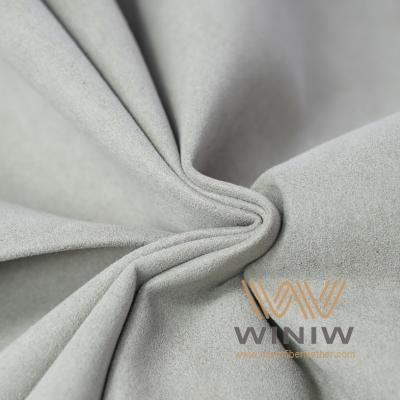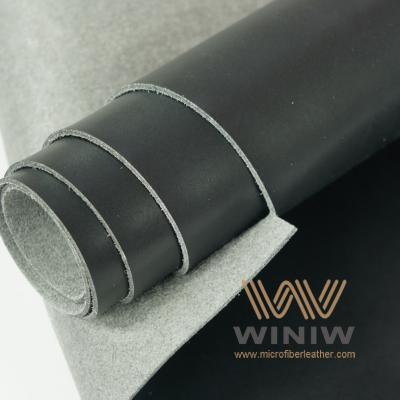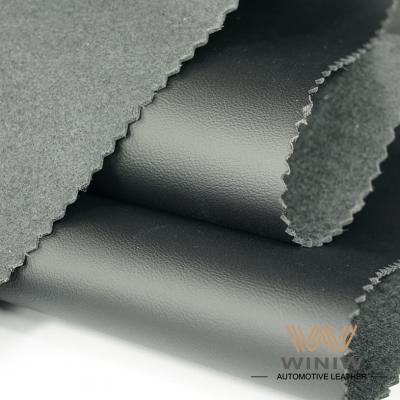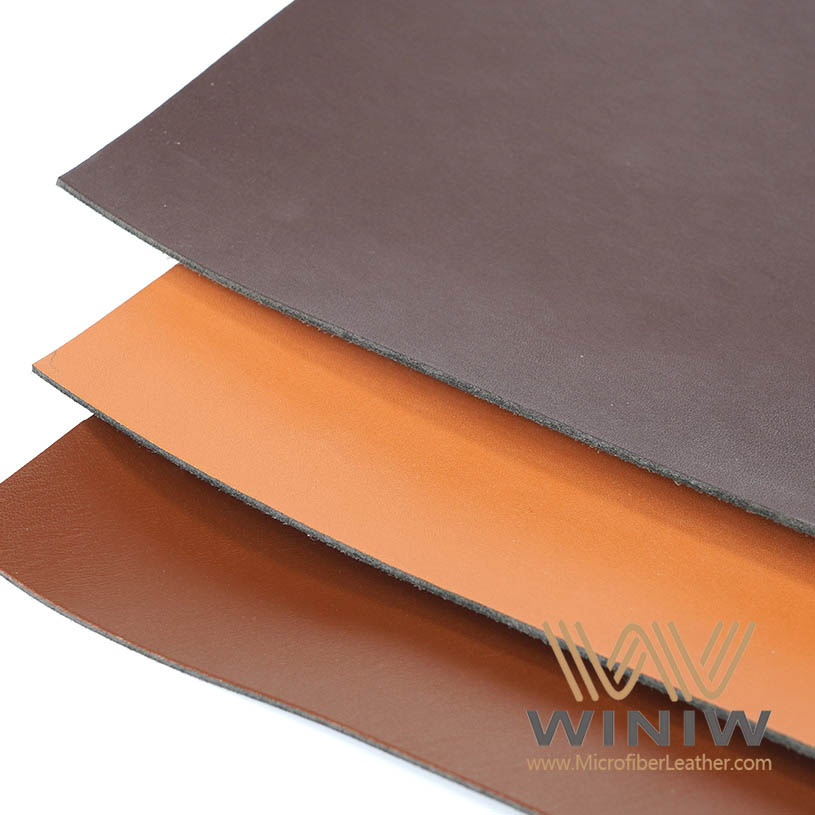
تجد جلد نباتي كبديل خالٍ من القسوة للجلد الحيواني. تستخدم الخيارات النباتية مواد اصطناعية مثل البولي يوريثان والبولي فينيل كلوريد، والبلاستيك المعاد تدويره، ومصادر نباتية. تزداد شعبية أحزمة الجلد النباتي بسرعة. راجع الجدول أدناه لمعرفة نمو سوق الإكسسوارات:
|
القطاع |
قيمة 2023 (بالدولار الأمريكي) |
توقعات 2030 (بالدولار الأمريكي) |
معدل النمو السنوي المركب (%) |
|---|---|---|---|
|
إكسسوارات |
1.1 مليار |
2.7 مليار |
11.9 |
ترى جلدًا نباتيًا منتجات مصنوع من:
البولي يوريثان (PU)
كلوريد البولي فينيل (PVC)
البلاستيك المعاد تدويره
مواد أخرى مثل جلد التفاح والعنب والصبار والورق
يمنحك حزام الجلد النباتي الأناقة والأخلاق والاختيار. ستستفيد من فهم المواد والفوائد والعيوب قبل اختيار حزام نباتي
الجلد النباتي يقدم بديلاً خالياً من القسوة للجلد الحيواني، باستخدام مواد مثل البولي يوريثان والبولي فينيل كلوريد ومصادر نباتية
يوفر الجلد النباتي المصنوع من مواد مثل الصبار وأوراق الأناناس خيارًا أكثر استدامة.
توفر الأحزمة المصنوعة من الجلد النباتي الأناقة والأخلاق، لكنها قد لا تدوم طويلاً مثل الأحزمة المصنوعة من الجلد الطبيعي.
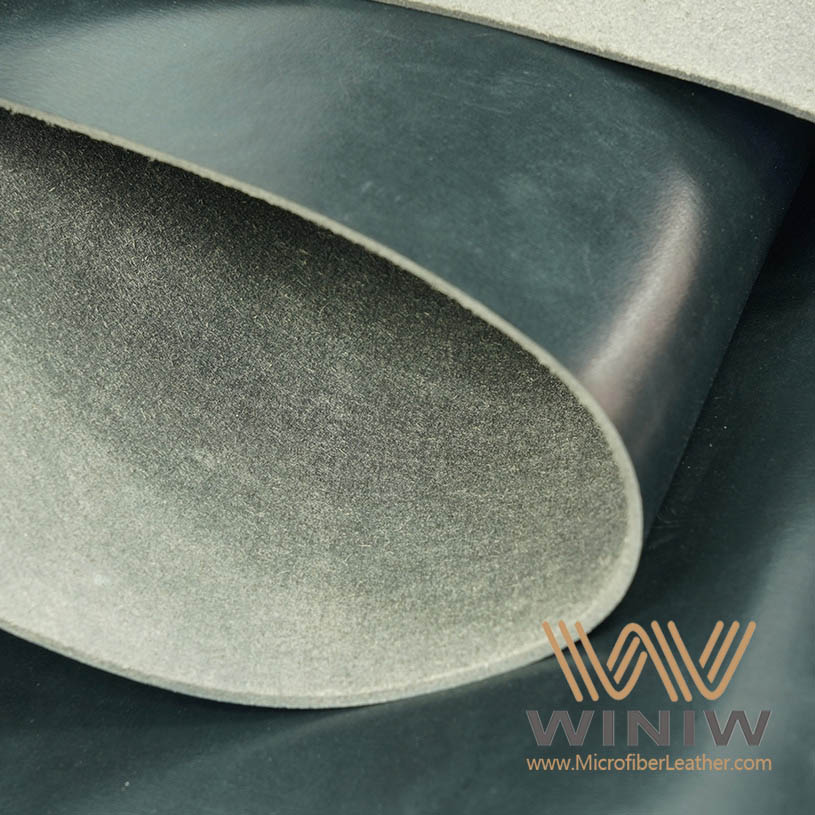
يُتيح لك الجلد النباتي الاستمتاع بمظهر وملمس الجلد دون استخدام منتجات حيوانية. وهو مصنوع من مجموعة متنوعة من المواد، لكل منها خصائصها الفريدة وتأثيراتها البيئية. يساعدك فهم هذه المواد على اتخاذ خيارات مدروسة بشأن الأحزمة والإكسسوارات التي تشتريها.
معظم الجلود النباتية المتوفرة في السوق مصنوعة من مواد اصطناعية. البولي يوريثان (PU) والبولي فينيل كلوريد (PVC) هما الأكثر شيوعًا. يستخدم المصنعون مزيجًا من المواد الكيميائية لإنتاج هذه المواد. يمكنك الاطلاع على المكونات الرئيسية لـ جلد البولي يوريثان الإنتاج في الجدول أدناه:
|
المكون الكيميائي |
دوره في إنتاج جلد البولي يوريثان |
|---|---|
|
البوليولات |
إنشاء بنية البولي يوريثان |
|
الإيزوسيانات (MDI أو TDI) |
إنشاء بنية البولي يوريثان |
|
المذيبات (DMF، MEK) |
قم بإذابة البولي يوريثان للتطبيق |
|
المحفزات |
تعزيز الكفاءة |
|
المواد الفعالة بالسطح |
تعزيز الكفاءة |
|
الإضافات (المثبتات، الملدنات، الملونات) |
تحسين الخصائص والمظهر |
يوفر الجلد النباتي المصنوع من البولي يوريثان والبولي فينيل كلوريد العديد من المزايا:
قابلية التهوية
ملمس ناعم
راحة في الارتداء
غالبًا ما تُستخدم هذه المواد لأنها تُحاكي ملمس ومظهر الجلد الحيواني بدقة. ومع ذلك، فإن للجلد النباتي الصناعي بعض العيوب. فقد يستغرق تحلله في مكبات النفايات عقودًا، مما يزيد من مشكلة النفايات البلاستيكية العالمية. وعند عدم التخلص منه بشكل صحيح، يمكن أن يُطلق الجلد الصناعي سمومًا ضارة. كما تستخدم عملية الإنتاج موارد كبيرة من المياه والأراضي، مما قد يُنافس إنتاج الغذاء بل ويُساهم في إزالة الغابات. ويُطلق إنتاج البولي يوريثان مركبات عضوية متطايرة وغازات دفيئة، بينما يُطلق إنتاج البولي فينيل كلوريد الديوكسينات ويستخدم إضافات خطرة. وكلا المادتين غير قابلتين للتحلل البيولوجي ويمكن أن تُطلقا جزيئات بلاستيكية دقيقة في البيئة
يُوفر لك الجلد النباتي خيارًا أكثر استدامة. يستخدم المصنّعون مواد طبيعية مثل أوراق الأناناس وقشور التفاح والفلين والصبار لصنع هذه المنتجات. على سبيل المثال، يُصنع جلد الصبار من أوراق الصبار الناضجة. يقوم المزارعون بحصاد الأوراق وتنظيفها وتجفيفها تحت أشعة الشمس، ثم معالجتها وتحويلها إلى راتنج حيوي. تُمكّن هذه الطريقة نبات الصبار من الاستمرار في النمو، مما يجعله موردًا متجددًا.
كما تجدون أيضاً جلداً نباتياً مصنوعاً من:
نباتات الصبار في المكسيك
أوراق الصبار في سريلانكا
أوراق أناناس مهملة
تشمل بعض العلامات التجارية والمواد الشائعة للجلود النباتية ما يلي:
بيناتكس، مصنوع من أوراق الأناناس
قشرة التفاح، مصنوعة من مخلفات التفاح
فيجيا، مصنوعة من مخلفات العنب
المايلو والريشي، مصنوعان من الميسيليوم (الفطر).
حلوى مصنوعة من الصبار
يستخدم الجلد النباتي المعاد تدويره مواد النفايات لصنع منتجات جديدة. سترى المصانع تعالج إطارات السيارات القديمة والزجاجات البلاستيكية وغيرها من النفايات البلاستيكية أو المطاطية لتحويلها إلى منتجات جديدة. مواد من الجلد الصناعي يساعد هذا النهج في تقليل نفايات مكبات النفايات ويمنح حياة جديدة للمواد التي كانت ستلوث البيئة لولا ذلك
يمكن معالجة النفايات البلاستيكية والمطاطية المعاد تدويرها، بما في ذلك إطارات السيارات القديمة والزجاجات البلاستيكية، لإنتاج مواد تشبه الجلد الصناعي.
تُعالج أنواع مختلفة من النفايات البلاستيكية والمطاطية وتُصنع منها الجلود النباتية.
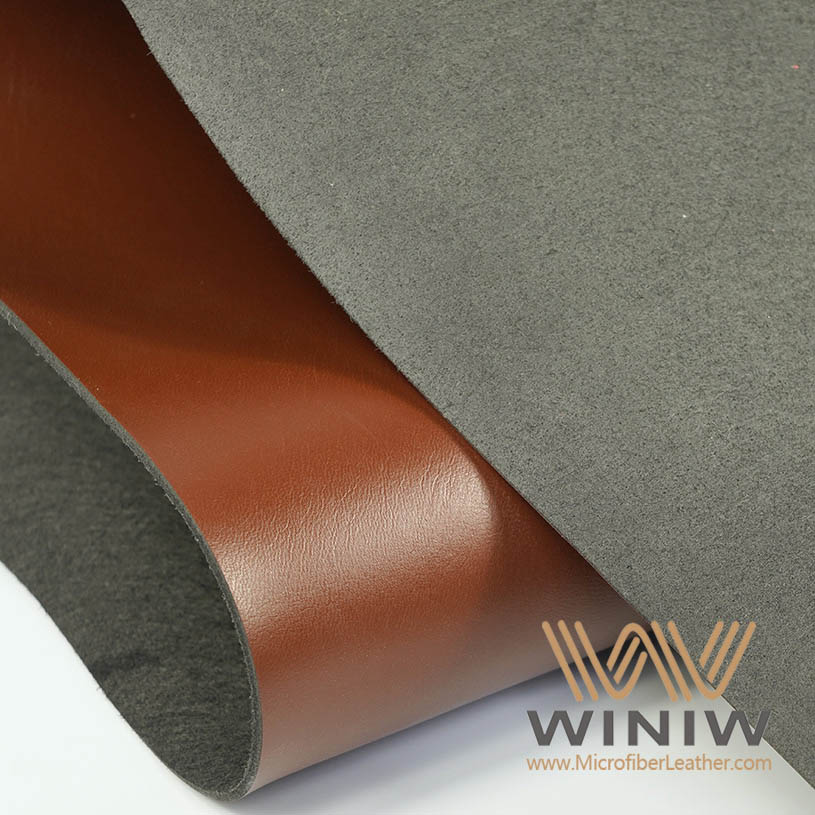
قد تتساءل عن الفرق بين الجلد النباتي والجلد الطبيعي. يتميز الجلد النباتي بمظهر وملمس مشابهين جدًا للجلد الحيواني، خاصةً مع التطورات التكنولوجية الحديثة. ستحصل على مادة تحاكي مظهر وملمس الجلد الطبيعي، لكنها قد تفتقر إلى عمق وجمال الجلود الطبيعية. يتميز الجلد الطبيعي بحبيباته الفريدة وقدرته على اكتساب مظهر جميل مع مرور الوقت.
عند مقارنة المتانة والصيانة، ستلاحظ بعض الاختلافات. يوضح الجدول أدناه العوامل الرئيسية:
|
عامل |
جلد نباتي |
جلد طبيعي |
|---|---|---|
|
العمر الافتراضي |
3-5 سنوات |
10-20+ سنوات |
|
مقاومة التآكل |
متوسطة |
عالية |
|
مرونة |
منخفض إلى متوسط |
عالية |
|
مقاومة الماء |
متوسطة |
عالية |
|
مقاومة الخدوش |
متوسطة |
عالية |
تحتاج إلى تنظيف الجلد النباتي بانتظام بطرق لطيفة لتجنب التشقق أو التقشر. يتطلب الجلد الطبيعي ترطيبًا وتلميعًا ليظل ناعمًا ويمنع جفافه. غالبًا ما يدوم الجلد الطبيعي لعقود مع العناية المناسبة، بينما يدوم الجلد النباتي عادةً بضع سنوات فقط وقد يكون أكثر عرضة للتلف
قد تسمع مصطلحي "الجلد الصناعي" أو "الجلد المقلد" عند التسوق لشراء منتجات نباتية. تشير هذه المصطلحات إلى مواد صناعية أو نباتية مصممة لتقليد الجلد الطبيعي. فهي تمنحك مظهر وملمس الجلد دون استخدام منتجات حيوانية، مما يجعلها خيارًا شائعًا لمن يبحثون عن بدائل مستدامة وخالية من القسوة.
نصيحة: عندما تختار الجلد النباتي المصنوع من مواد نباتية أو الجلد النباتي المعاد تدويره، فإنك تدعم الابتكار وتساعد في تقليل التأثير البيئي لاختياراتك في مجال الموضة.
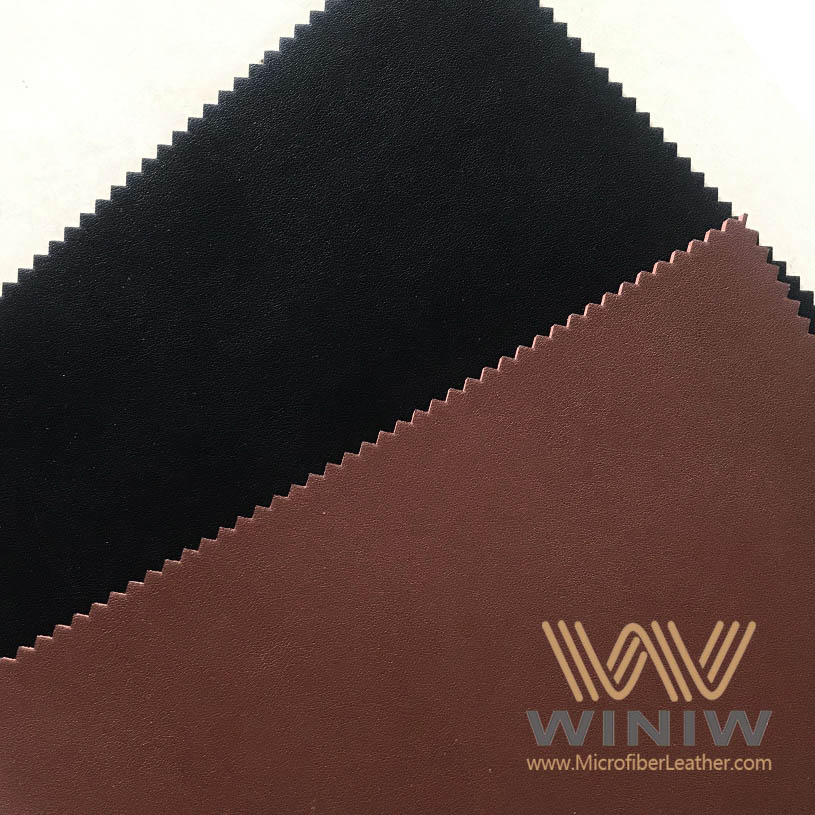
ترى العديد من الأساليب المبتكرة في إنتاج حزام من الجلد النباتي يستخدم المصنّعون الجلد الصناعي والجلد النباتي لصنع أحزمة تُحاكي مظهر وملمس الجلد الطبيعي. تبدأ العملية عادةً باختيار المادة الأساسية. يُصنع الجلد الصناعي من البولي يوريثان أو البولي فينيل كلوريد (PVC)، بينما يُصنع الجلد النباتي من أوراق الأناناس، أو الصبار، أو قشور التفاح، أو حتى الفطريات.
تشمل التطورات الحديثة في إنتاج الجلود النباتية ما يلي:
جلد الصبار، الذي يقلل من التأثير البيئي ويوفر خيارًا خاليًا من القسوة.
التصنيع الحيوي، حيث يستخدم العلماء خلايا الخميرة لإنتاج الكولاجين، مما يؤدي إلى تشكيل صفائح تحاكي الجلود الخالية من المنتجات الحيوانية.
مايلو، وهي مادة مصنوعة من الفطريات، وتزرع في منشآت تعمل بالطاقة المتجددة.
تساعد هذه الأساليب في الإجابة على السؤال: هل الجلد النباتي مستدام؟ تستخدم عملية التصنيع الحيوي والجلد النباتي موارد أقل وتُنتج نفايات أقل من الجلد التقليدي. كما تُستخدم مواد مُعاد تدويرها، مثل زجاجات البلاستيك وإطارات السيارات، في بعض منتجات الجلد النباتي. يُعيد هذا النهج استخدام النفايات ويدعم استخدام المواد المستدامة.
لديكِ خيارات عديدة فيما يتعلق بتصميم ونمط أحزمة الجلد النباتي. تقدم العلامات التجارية ألوانًا كلاسيكية مثل الأسود والبني والعاجي، بالإضافة إلى ألوان جريئة مثل الزمردي والياقوت والأحمر. تتميز بعض الأحزمة بلمسات نهائية معدنية أو طبعات مخصصة، مما يتيح لكِ التعبير عن أسلوبكِ الشخصي. توفر الخيارات النباتية الفاخرة مثل المايكروفايبر والبيناتكس مظهرًا أنيقًا ومتانة إضافية.
تحظى التصاميم الفنية والإصدارات المحدودة بشعبية واسعة لما تتميز به من تفرد. وتُباع العديد من الأحزمة النباتية بأسعار أقل من الأحزمة المصنوعة من الجلد الحيواني، مما يمنحك الفخامة بسعر أفضل. ويؤكد رواج الأحزمة المصنوعة من الجلد النباتي على أهمية الأزياء الأخلاقية، وهو ما يتوافق مع قيم العديد من المستهلكين.
|
عامل |
جلد |
صناعي |
|---|---|---|
|
متانة |
عالية |
متوسط-مرتفع |
|
التكلفة |
عالية |
منخفض-متوسط |
|
نطاق الأنماط |
رسمي إلى غير رسمي |
من ملابس غير رسمية إلى شبه رسمية |
|
صيانة |
متوسطة |
منخفضة |
|
صديق للبيئة |
منخفض (إلا إذا كان مستدامًا) |
منخفضة |
|
راحة |
يتحسن مع التقدم في السن |
متوسط |
|
العمر الافتراضي |
10-15+ سنوات |
3-7 سنوات |
يمكنكِ تنسيق حزام بلون محايد مع بنطال جينز وقميص تيشيرت لإطلالة كاجوال. أما للإطلالات الرسمية، فيتناسب الحزام الأسود أو الكحلي الأنيق مع البناطيل أو التنانير الرسمية. وللمناسبات المسائية، اختاري أحزمة ذات أبازيم بارزة أو تشطيبات فريدة لتجعلي إطلالتكِ مميزة. يمنحكِ استخدام الجلد النباتي في الأحزمة مرونةً تناسب أي مناسبة
عند مقارنة الجلد النباتي بأنواع الجلود الأخرى، ستلاحظ اختلافات في العمر الافتراضي والمتانة. عادةً ما يدوم الجلد النباتي المستخدم في صناعة الأحزمة من سنتين إلى خمس سنوات، بينما قد تدوم أحزمة الجلد الطبيعي لأكثر من عقد. يوضح الجدول أدناه متوسط العمر الافتراضي:
|
نوع الحزام |
العمر الافتراضي |
|---|---|
|
أحزمة نباتية |
من سنتين إلى 5 سنوات |
|
جلد طبيعي كامل الحبيبات |
10-15+ سنوات |
|
جلد عالي الجودة |
5-10 سنوات |
تؤثر عدة عوامل على متانة وعمر حزام الجلد النباتي:
|
عامل |
الوصف |
|---|---|
|
أنماط الاستخدام |
يمكن أن يتسبب الانحناء المتكرر والاحتكاك في التلف والتآكل |
|
جودة المواد |
الجلد النباتي عالي الجودة يقاوم التلف بشكل أفضل. |
|
الحرفية |
الأحزمة المصنوعة جيداً تقاوم التقشر والتشقق. |
|
العوامل البيئية |
التعرض لأشعة الشمس والحرارة والرعاية غير السليمة يمكن أن يقصر العمر. |
يجب أن تعلم أن الجلد النباتي الصناعي قد لا يكتسب نفس المظهر اللامع الذي يكتسبه الجلد الحيواني مع مرور الوقت. ومع ذلك، يتميز الجلد النباتي المصنوع من مواد نباتية بمتانة أفضل وملمس فريد. وتعتمد خصائص الجلد النباتي، مثل المرونة ومقاومة الماء، على المادة المصنعة وطريقة التصنيع. يعتقد الكثير من المستهلكين أن الجلد النباتي أقل متانة، لكن الخيارات الفاخرة منه قد تضاهي جودة الجلد التقليدي.
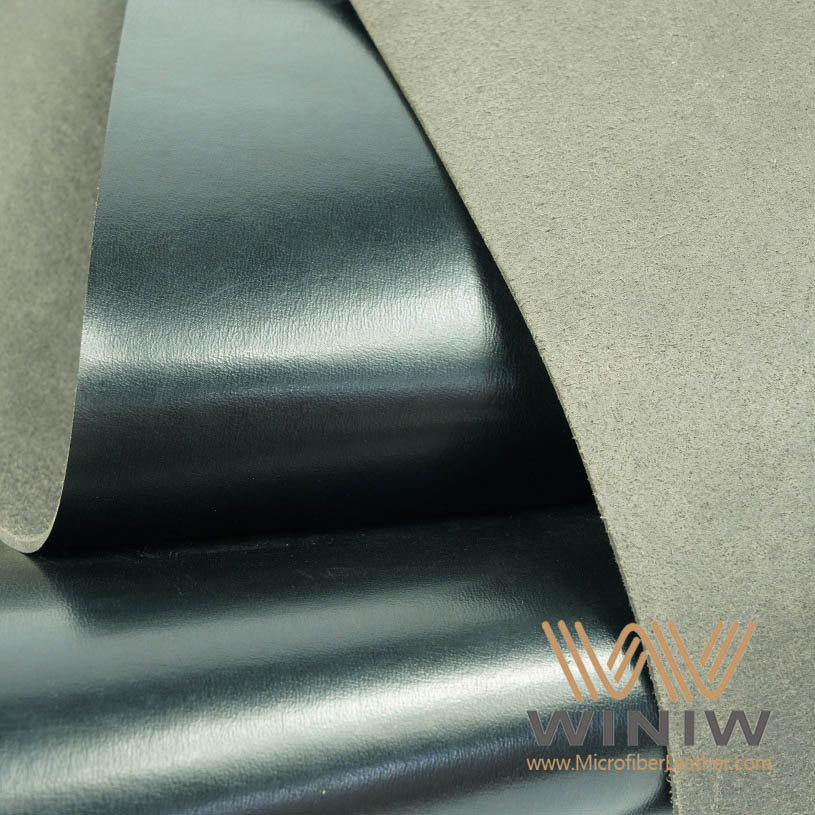
يُساهم اختيار حزام نباتي في دعم رفاهية الحيوانات والحد من القسوة في صناعة الأزياء. يُصنع الحزام من الجلد النباتي باستخدام مواد نباتية أو اصطناعية، ما يضمن عدم إلحاق أي أذى بالحيوانات. هذا النهج الخالي من القسوة يجذب الكثيرين ممن يرغبون في اتخاذ خيارات أخلاقية.
كما أنك تساهم في حماية البيئة باختيارك أحزمة مصنوعة من الجلد النباتي. إذ ينتج عن صناعة الجلود التقليدية انبعاثات عالية من غازات الاحتباس الحراري، وتستهلك كميات كبيرة من المياه والمواد الكيميائية. يوضح الجدول أدناه مقارنة بين هذه الانبعاثات.
|
نوع الجلد |
انبعاثات غازات الاحتباس الحراري (كجم مكافئ ثاني أكسيد الكربون/م2) |
|---|---|
|
جلد حيواني |
110 |
|
جلد نباتي |
7-15.8 |
|
جلد نباتي |
0.8-8.8 |
يُقلل الجلد النباتي المصنوع من مواد نباتية، مثل جلد بيناتكس، من الحاجة إلى الوقود الأحفوري ويُساهم في الحد من النفايات الزراعية. كما أن إنتاج الجلد النباتي يستهلك موارد أقل ويُنتج كميات أقل من ثاني أكسيد الكربون. مع ذلك، قد يُساهم الجلد النباتي المُصنّع في التلوث البلاستيكي، كما أنه ليس قابلاً للتحلل الحيوي دائمًا. يُعدّ صعوبة إعادة تدوير العديد من المواد المُصنّعة أحد عيوب الجلد النباتي.
عند اختيارك للجلد النباتي، عليك مراعاة مدى استدامته. فالجلد النباتي المصنوع من مواد نباتية والمواد المعاد تدويرها تُعدّ بدائل أكثر استدامة. وبالمقارنة بين الجلد النباتي وأنواع الجلود الأخرى، يتضح أن لكليهما آثارًا بيئية، إلا أن الخيارات النباتية غالبًا ما يكون لها بصمة كربونية أقل.
عند اختيار حزام نباتي، يجب مراعاة عدة عوامل:
مكونات المادة الأساسية: تحقق مما إذا كان الحزام يستخدم مواد نباتية أو مواد بوليمرية.
قوة الشد والمرونة: تأكد من أن الحزام قادر على تحمل الاستخدام اليومي والضغط.
مقاومة الماء والبقع: اختر حزامًا مقاومًا للرطوبة والبقع.
السلامة الكيميائية: ابحث عن أحزمة خالية من المواد الكيميائية الضارة.
يمكنك أيضاً البحث عن شهادات لضمان الممارسات الأخلاقية والمستدامة:
شهادة مجموعة العمل المعنية بالجلود (LWG)
GRS (المعيار العالمي لإعادة التدوير)
ISO 14001 (الإدارة البيئية)
الامتثال للوائح REACH (السلامة الكيميائية)
معيار OEKO-TEX للجلود
معيار GOTS (المعيار العالمي للمنسوجات العضوية)
للعناية بحزام من الجلد النباتي وزيادة عمره الافتراضي إلى أقصى حد:
امسح السطح بقطعة قماش ناعمة وجافة لإزالة الغبار.
استخدم قطعة قماش مبللة بصابون خفيف للتنظيف العميق، ثم اشطف الصابون جيداً.
تجنب المواد الكاشطة والمواد الكيميائية القاسية.
قم بمعالجة المادة بانتظام لمنع التشقق.
احفظ الحزام بعيداً عن أشعة الشمس المباشرة لتجنب بهتان لونه.
إذا تبلل الحزام، جففه بقطعة قماش نظيفة.
قد تتساءل عن استخدامات الجلد النباتي بعد انتهاء عمره الافتراضي. فالعديد من المواد الاصطناعية غير قابلة للتحلل الحيوي، لذا قد يمثل إعادة تدويرها تحديًا. أما الجلد النباتي المصنوع من مواد نباتية فقد يتحلل بسهولة أكبر، خاصةً إذا كان مدبوغًا بطرق نباتية.
نصيحة: عند اختيار حزام نباتي، وازن بين أولوياتك. ضع في اعتبارك الجوانب الأخلاقية، والأناقة، والمتانة، والاستدامة. تشمل مزايا الجلد النباتي الأزياء الخالية من القسوة على الحيوانات وتقليل الأثر البيئي، ولكن عليك أيضًا أن تكون على دراية بعيوب الجلد النباتي، مثل محدودية قابليته للتحلل الحيوي.
تتزايد استخدامات الجلد النباتي في صناعة الأحزمة مع ظهور تقنيات جديدة ومواد مستدامة. بإمكانك المساهمة في بناء صناعة أزياء أكثر أخلاقية واستدامة من خلال اتخاذ خيارات مدروسة.
تُقدم الأحزمة المصنوعة من الجلد النباتي مزيجًا من الأناقة والأخلاق والاستدامة. يشهد سوق المنتجات النباتية نموًا سريعًا مع تزايد البحث عن خيارات خالية من القسوة. لذا، ضع في اعتبارك أولوياتك: المتانة، والشفافية، ونوع المادة.
يُضفي الجلد النباتي الابتكار والتخصيص.
تشمل التحديات مخاوف تتعلق بالجودة ومشاكل سلسلة التوريد.
|
ميزة |
عيب |
|---|---|
|
صديق للحيوانات |
تختلف المتانة |
|
صديق للبيئة |
يستخدم البعض البلاستيك |
ستحصل على منتج خالٍ من القسوة على الحيوانات مع جلد نباتي تستخدم هذه الأحزمة مواد نباتية أو صناعية. أما أحزمة الجلد الطبيعي فتستخدم جلود الحيوانات
امسح حزامك بقطعة قماش ناعمة ورطبة. استخدم صابونًا لطيفًا للبقع. تجنب المواد الكيميائية القاسية. اتركه يجف في الهواء بعيدًا عن أشعة الشمس.
تدوم الأحزمة المصنوعة من الجلد النباتي عادةً من سنتين إلى خمس سنوات، بينما تدوم الأحزمة المصنوعة من الجلد الطبيعي لفترة أطول بكثير. وتؤثر الجودة والعناية على عمر الحزام.
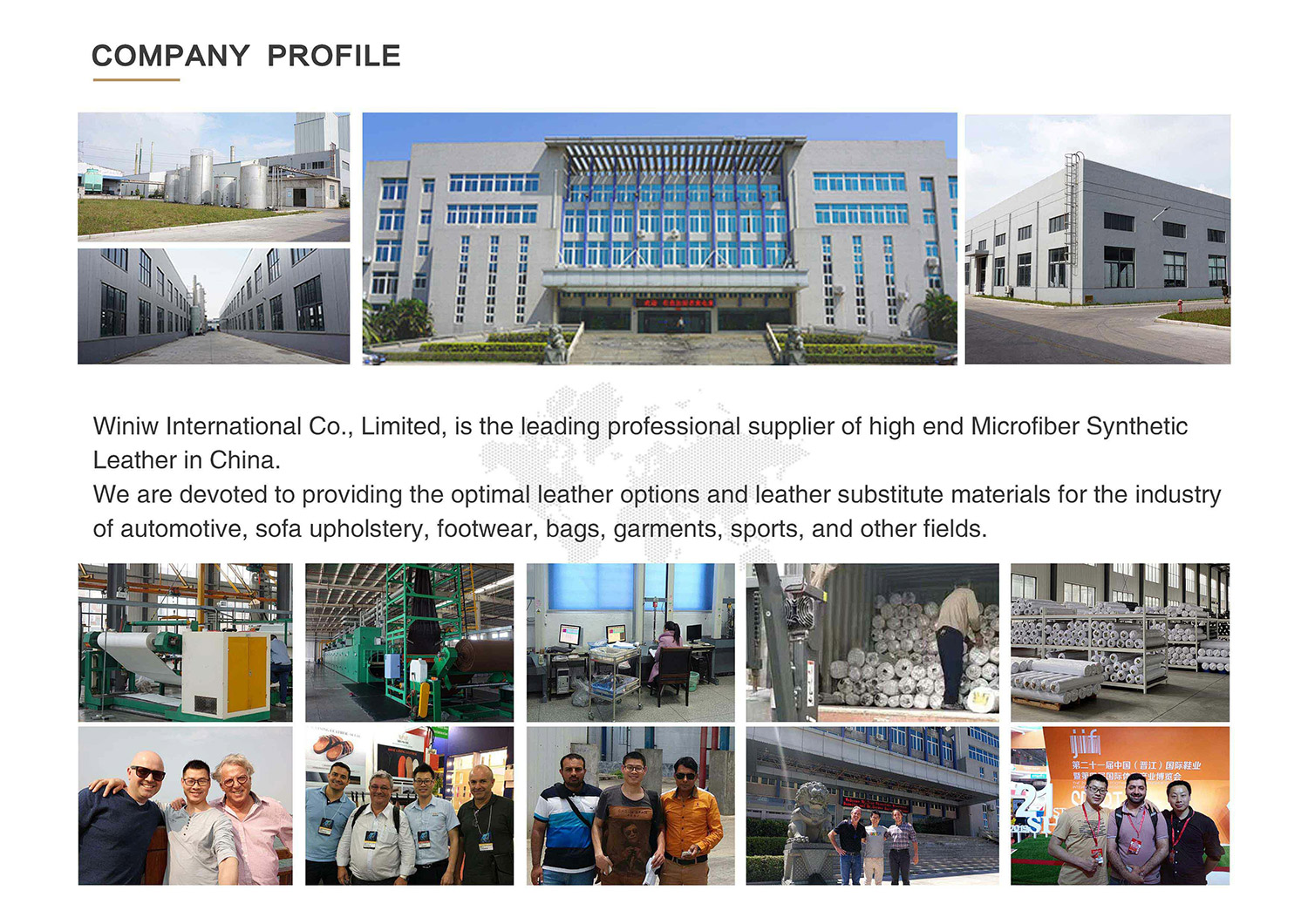
Winiw International Co.,Ltd


المسح الضوئي إلى wechat:




 هاتف : +86 18150976625
 البريد الإلكتروني : Market@MicrofiberLeather.com