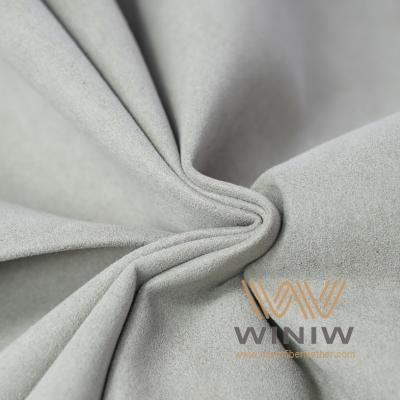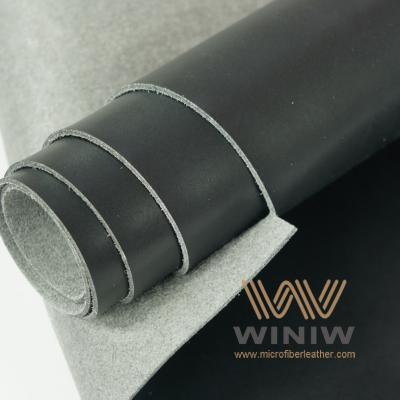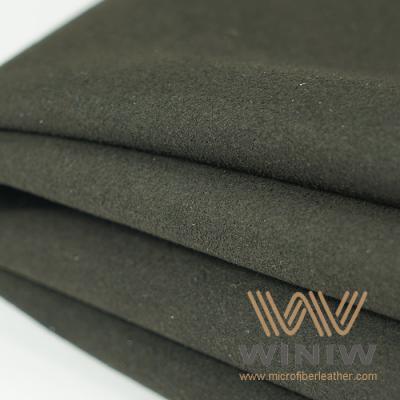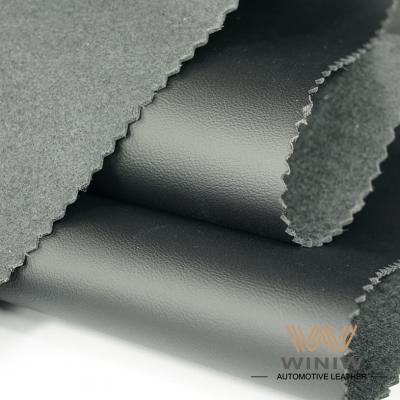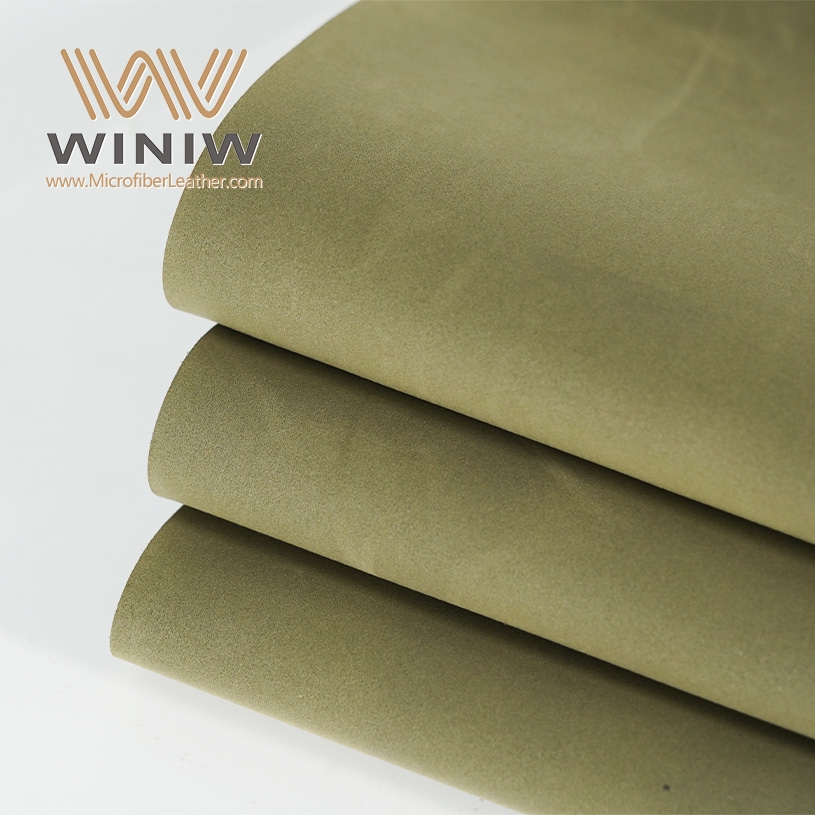
تخيل أنك تقف في متجر، وتختار بين جلد النوبوك حذاء من الجلد المدبوغ وزوج آخر. أنت تريد حذاءً يناسب نمط حياتك. أنت تُقدّر الراحة والمتانة في الأحذية. قد تهتم بنعومة الحذاء أو سهولة تنظيفه.
فكر فيما يهمك أكثر - المظهر، أو طول العمر، أو الرعاية.
تتميز أحذية النوبوك بمتانتها ومقاومتها للعوامل الجوية، مما يجعلها مثالية للارتداء اليومي والأنشطة الخارجية.
توفر الأحذية المصنوعة من الجلد المدبوغ إحساسًا أكثر نعومة وفخامة، مما يجعلها مثالية للمناسبات الخاصة والأماكن غير الرسمية.
العناية المناسبة من الضروري لكلا المادتين؛ استخدم البخاخات الواقية ونظف بانتظام للحفاظ على مظهرهما وطول عمرهما.
عند المقارنة أحذية من جلد النوبوك إذا كنت ترغب في معرفة أي خامة تناسب احتياجاتك على أفضل وجه، فإن الجدول أدناه يقدم لك نظرة عامة سريعة على كيفية مقارنة جلد النوبوك والجلد المدبوغ في أهم الفئات:
|
ميزة |
جلد النوبوك |
جلد سويدي |
|---|---|---|
|
متانة |
أكثر متانة، ويقاوم التآكل |
عرضة للخدوش والبقع |
|
نعومة |
صلب، قوي، خشن قليلاً |
ناعم، قابل للتشكيل، رقيق |
|
صيانة |
يتطلب رعاية أقل تكرارًا |
يحتاج إلى عناية فائقة، خاصة عندما يكون مبللاً. |
|
مقاومة للعوامل الجوية |
مقاومة طفيفة للماء؛ لا تتضرر بسهولة من المطر |
غير مقاوم للماء؛ يمتص الماء بسهولة |
|
أسلوب |
مظهر مخملي ومنظم |
لمسة نهائية ناعمة غير لامعة مع وبر موحد |
إذا كنت تبحث عن أحذية تدوم طويلاً، فإن أحذية جلد النوبوك هي خيارك الأمثل. يُستخرج النوبوك من الطبقة الخارجية للجلد، مما يمنحه بنية ليفية متماسكة. هذه البنية تجعل النوبوك مقاومًا للخدوش والتمزقات، حتى في البيئات الحضرية. يمكنك ارتداء أحذية جلد النوبوك للأنشطة اليومية أو للاستخدام الخارجي دون القلق من التلف السريع. يوصي مصنّعو الأحذية باستخدام النوبوك في حالات الاستخدام المكثف لأنه يتحمل الاحتكاك ويحافظ على شكله مع مرور الوقت.
إذا كنت تُفضّل الملمس الناعم والفاخر، فإنّ الجلد المدبوغ هو الخيار الأمثل. يتميّز الجلد المدبوغ بملمس ناعم ومرن يجده الكثيرون مريحًا. غالبًا ما يصفه المستهلكون بأنه أكثر مرونة وفخامة من جلد النوبوك. صحيح أن أحذية النوبوك والجلد المدبوغ لا تزال ناعمة الملمس، إلا أن سطحها أكثر صلابة ومتانة. قد تختار الجلد المدبوغ لراحته وأناقته، خاصةً إذا كنت تخطط لارتداء حذائك في أماكن جافة وغير رسمية.
نصيحة: توفر لك أحذية جلد النوبوك توازناً بين المتانة والراحة. اخترها بناءً على المكان والزمان الذي تنوي ارتداءها فيه.
ستجد جلد النوبوك عندما تبحث عن أحذية مصنوعة من جلد عالي الجودة يُستخرج جلد النوبوك من الطبقة الخارجية لجلود الأبقار، مما يمنحه قوة ومتانة. يختار المصنّعون جلودًا قليلة العيوب، ويضمن هذا الاختيار الدقيق تحمّل الجلد للاستخدام اليومي. تستفيد من جلد النوبوك بفضل عملية تصنيع فريدة، حيث يقوم الحرفيون بصنفرة سطحه باستخدام وسادات فائقة النعومة، مما يُضفي عليه ملمسًا ناعمًا مخمليًا مع الحفاظ على نسيجه الطبيعي. يمتص جلد النوبوك الصبغة بعمق، مما يُتيح لك رؤية ألوان غنية تدوم طويلًا. تُضيف بعض المعالجات مقاومة للماء، لكن جلد النوبوك يبقى مساميًا.
إليك كيفية عمل عملية النوبوك:
يختار العمال جلوداً كثيفة وعالية الجودة لضمان متانتها.
يقومون بصنفرة الطبقة الخارجية بمواد كاشطة دقيقة لخلق ملمس ناعم.
يمتص الجلد الصبغة، مما ينتج عنه ألوان زاهية وطبقة لامعة مع مرور الوقت.
يختلف جلد النوبوك عن جلد الشامواه. يُستخرج جلد الشامواه من الطبقة الداخلية للجلد، وهو أنعم ملمسًا لكنه أقل متانة. أما جلد النوبوك فيحتفظ بنسيجه، مما يجعله أكثر صلابة. ستلاحظ قوة شد جلد النوبوك، التي تتراوح بين 15 و25 ميجا باسكال. وهذا ما يجعله أكثر متانة من جلد الشامواه.
يمكنك تمييز جلد النوبوك بملمسه الناعم المخملي. يضفي عليه مظهره غير اللامع طابعًا مميزًا عن الجلود اللامعة. يوفر النوبوك إحساسًا بالفخامة والراحة. كما أنه يسمح بتهوية القدمين بشكل جيد، مما يحافظ على برودة القدمين. مع مرور الوقت، يكتسب النوبوك طبقةً مميزةً تضفي على حذائك طابعًا فريدًا. يجب العناية بالنوبوك لأنه حساس للماء والبقع. تشمل مزايا النوبوك المتانة والأناقة والراحة. يوفر النوبوك توازنًا مثاليًا بين القوة والجمال، مما يجعله خيارًا شائعًا للأحذية.
نصيحة: الأحذية المصنوعة من جلد النوبوك تمنحك قيمة طويلة الأمد إذا حافظت عليها بشكل صحيح.
ستجد الجلد المدبوغ عندما تبحث عن أحذية ذات ملمس ناعم وجذاب يُصنع جلد الشامواه عن طريق شقّ الجانب السفلي من جلود الحيوانات، عادةً من الأبقار أو الماعز أو الخنازير. تكشف هذه العملية عن الألياف الداخلية، التي تُكسب الشامواه ملمسه المميز. ستلاحظ الفرق فورًا، إذ يتميز الشامواه بنعومته ومرونته تحت أصابعك. يتميز هذا الجلد بنعومته الفائقة وخلوه من الخشونة الموجودة في جلد النوبوك. يُستخدم الشامواه في الأحذية والسترات والإكسسوارات التي تتطلب لمسة نهائية فاخرة. غالبًا ما يختار مصممو الأحذية الشامواه لقدرته على التكيف مع شكل القدم، مما يوفر راحة مثالية.
يُقدّم الجلد المدبوغ مزيجًا فريدًا من النعومة والأناقة. ستستمتع بارتداء أحذية الجلد المدبوغ لأنها تتكيف مع حركاتك وتمنحك شعورًا بالفخامة.
يمكنك تمييز جلد الشامواه من خلال سطحه المخملي ومظهره غير اللامع. يضفي هذا الجلد لمسة من الأناقة على الأحذية. كما تستفيد من خاصية تهوية جلد الشامواه، مما يحافظ على راحة قدميك حتى مع ارتدائه لفترات طويلة. تُناسب أحذية الشامواه العديد من المناخات لأن الهواء يمر بسهولة عبر أليافه. ستُقدّر أيضًا مرونة جلد الشامواه، فهو يتكيف مع شكل قدمك، مما يُحسّن من ملاءمته ويجعل كل خطوة طبيعية.
إليكم جدولاً يسلط الضوء على الخصائص الرئيسية للجلد المدبوغ وتأثيراتها على الأحذية:
|
السمة |
تأثير ذلك على استخدام الأحذية |
|---|---|
|
مظهر فاخر |
يعزز المظهر الجمالي والرغبة في الأحذية. |
|
التهوية |
يوفر الراحة عند ارتدائه لفترات طويلة، وهو مناسب لمختلف المناخات. |
|
المرونة |
يتكيف بشكل جيد مع شكل القدم، مما يحسن من ملاءمته. |
|
قابلية التأثر بالماء/البقع |
يتطلب صيانة دقيقة لمنع التلف. |
يجب العناية بالأحذية المصنوعة من الجلد المدبوغ لأنها تمتص الماء وتتلطخ بسهولة. تجنب ارتداءها في الأجواء الرطبة للحفاظ على مظهرها. يختار الكثيرون الجلد المدبوغ للمناسبات الخاصة أو النزهات غير الرسمية حيث يكون المظهر الأنيق هو الأهم.
عند المقارنة النوبوك مقابل الجلد المدبوغ ستلاحظ اختلافات واضحة في الملمس والمظهر. يُستخرج جلد النوبوك من الجانب الخارجي للجلد. تُنتج هذه العملية سطحًا ذا وبر قصير وكثيف، ناعم الملمس ولكنه متين. تحت المجهر، سترى أن ألياف الكولاجين في جلد النوبوك متراصة بإحكام. يبلغ طول الوبر من 0.1 إلى 0.3 مليمتر فقط، مما يجعله شبه غير مرئي للعين المجردة. يمنح هذا الملمس الدقيق جلد النوبوك مظهرًا متماسكًا ويحافظ على قوة الجلد الطبيعية.
أما الجلد المدبوغ، فيُصنع من الجانب الداخلي للجلد. أليافه أكثر انفتاحًا وأقل كثافة، ووبره أطول، يتراوح عادةً بين 0.5 و1.5 مليمتر. هذا يُضفي عليه ملمسًا ناعمًا وفخمًا، لطيفًا على البشرة. تتميز أحذية الجلد المدبوغ بسطح موحد غير لامع، خالٍ من أي علامات ظاهرة على نسيج الجلد. يُضفي مظهرًا أملسًا ومتناسقًا، وهو ما يجذب الكثيرين في الإطلالات الكاجوال والرسمية على حد سواء.
يسلط خبراء الموضة الضوء على هذه الاختلافات البصرية بين جلد النوبوك والجلد المدبوغ:
|
ميزة |
جلد النوبوك |
جلد سويدي |
|---|---|---|
|
نَسِيج |
وبر أنعم وأكثر كثافة؛ ملمس أكثر صلابة وتماسكًا |
قيلولة أكثر نعومة ورخامة؛ ملمس مخملي فاخر |
|
المظهر السطحي |
يحتفظ بعلامات الحبوب الطبيعية مثل المسام والتجاعيد والندوب؛ ويُظهر الاختلافات والعيوب الطبيعية. |
سطح أكثر تجانسًا ونعومة بدون علامات حبيبية مرئية؛ مظهر متناسق ومتساوٍ |
|
مصنوع من الجلد |
جلد طبيعي كامل الحبيبات مع ظهور الحبيبات الطبيعية |
جلد مقسوم مع عملية صنفرة تخلق ملمسًا موحدًا |
|
الشخصية المرئية |
يُظهر خصائص الجلد الأصلية وعيوبه. |
يمنح مظهراً ناعماً وفخماً مثالياً لتحقيق التناسق. |
قد تفضل جلد النوبوك إذا كنت ترغب في أحذية تُظهر المظهر الطبيعي للجلد. أما إذا كنت تفضل ملمسًا ناعمًا ومتجانسًا، فسيكون جلد الشامواه خيارًا أفضل لك.
نصيحة: غالباً ما تكتسب أحذية النوبوك مظهراً فريداً مع مرور الوقت، بينما يحافظ جلد الغزال على مظهر ثابت إذا اعتنيت به بشكل صحيح.
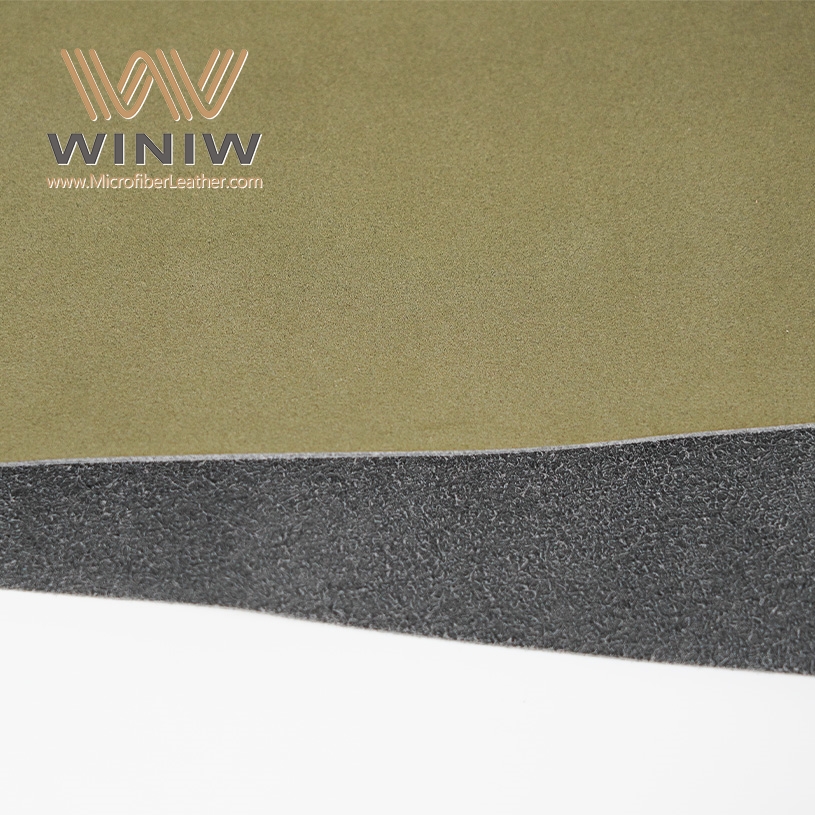
تُعدّ المتانة عاملاً أساسياً عند الاختيار بين جلد النوبوك والجلد المدبوغ. يتميز جلد النوبوك بمتانته العالية مقارنةً بالجلد المدبوغ، وذلك لأنه مصنوع من الطبقة الخارجية للجلد. تتميز هذه الطبقة ببنية ليفية كثيفة، مما يجعل أحذية النوبوك مقاومة للخدوش والتمزقات. كما تحافظ عملية الصنفرة الدقيقة على قوة الجلد الطبيعية ومرونته. يتحمل جلد النوبوك الاستخدام اليومي، وهو أقل عرضةً للخدوش والبقع.
جلد الشامواه أنعم من جلد النوبوك ولكنه أقل متانة. أليافه المفتوحة ووبره الطويل تجعل أحذية الشامواه أكثر عرضة للتلف والتشابك والتآكل الناتج عن الماء. لذا، يجب التعامل مع الشامواه بحرص، خاصةً في الظروف الرطبة أو الوعرة.
تؤكد الاختبارات المعملية الاختلافات في مقاومة التآكل. يتفوق جلد النوبوك باستمرار في اختبارات مثل اختبار VESLIC لمقاومة التآكل الاحتكاكي واختبار Wyzenbeek لمقاومة التآكل التذبذبي. تُظهر هذه الاختبارات أن جلد النوبوك يقاوم التلف والاهتراء، بينما يتآكل جلد الشامواه بشكل أسرع في ظل نفس الظروف.
كما تسلط دراسات الاستخدام الواقعية الضوء على فجوة المتانة:
|
مادة |
الأداء في الظروف الموحلة |
الملاحظات بعد أربعة أسابيع |
|---|---|---|
|
جلد النوبوك |
مقاومة فائقة للرطوبة |
لون ثابت، امتصاص ضئيل، لا تغييرات هيكلية |
|
جلد سويدي |
مقاومة ضعيفة للرطوبة |
بقع مائية ظاهرة، نعال متصلبة، حلقة ملح دائمة |
إذا كنت تبحث عن أحذية تدوم طويلاً وتتحمل الظروف القاسية، فإن جلد النوبوك هو الخيار الأمثل. ستجد أن جلد النوبوك أكثر متانة من جلد الشامواه، سواء في الاختبارات المعملية أو في الاستخدام اليومي.
تُعدّ الراحة عاملاً مهماً في اختيارك. يتميّز الجلد المدبوغ بنعومته ومرونته. عند ارتداء أحذية من الجلد المدبوغ، ستلاحظ سرعة تأقلمها مع قدميك. توفر هذه المادة تهوية طبيعية، مما يُحافظ على برودة قدميك وراحتهما. يقول العديد من مُرتديها إنّ الجلد المدبوغ لا يحتاج إلى فترة تليين طويلة، ويُشعرك بالراحة من أول خطوة.
يتميز جلد النوبوك بنعومته، لكن سطحه أكثر صلابة وتماسكًا. ويشير بعض المستخدمين إلى أن أحذية النوبوك قد تكون أقل تهوية وتحتاج إلى وقت أطول لتصبح مريحة. قد يؤثر تصميم الحذاء على الراحة، ولكن بشكل عام، يوفر جلد الشامواه تجربة أكثر راحة ودعمًا.
إليكم ما يقوله المستخدمون عن الراحة:
|
مادة |
ملاحظات حول الراحة |
ملاحظات إضافية |
|---|---|---|
|
جلد سويدي |
ملمس ناعم ومريح، وقت قصير جدًا للتأقلم، تهوية طبيعية |
مفضلة لتوفير الراحة الفورية وبرودة القدمين |
|
جلد النوبوك |
يتميز بالمتانة، ولكنه قد يعاني من مشاكل في المقاس وقلة التهوية. |
أبلغ بعض المستخدمين عن شعورهم بعدم الراحة بسبب تصميم الحذاء |
إذا كنت تبحث عن حذاء مريح طوال اليوم وناعم الملمس، فإن الجلد المدبوغ خيار ممتاز. أما إذا كنت تُفضّل المتانة والدعم، فإن جلد النوبوك سيُناسبك تمامًا، مع العلم أنه قد يحتاج إلى فترة قصيرة للتأقلم.
ملاحظة: تكمن الاختلافات الرئيسية بين جلد النوبوك والجلد المدبوغ في الملمس والمتانة والراحة. يعتمد اختيارك على ما يهمك أكثر في حذائك.
للحفاظ على مظهر حذائك بأفضل حال، عليك معرفة كيفية تنظيف جلد النوبوك. ينصح خبراء العناية بالأحذية باتباع بعض الخطوات البسيطة:
استخدم فرشاة خشنة لإزالة الأوساخ والغبار السطحي.
لإزالة البقع الصعبة، افرك المنطقة برفق بورق صنفرة ناعم الحبيبات. يساعد ذلك على إزالة العلامات دون إتلاف نسيج القماش.
إذا لاحظت بقع دهنية خفيفة، ضع مزيل الشحوم الخاص بالجلد وامسح بقطعة قماش ناعمة.
لإزالة بقع الحبر أو الطلاء، استخدم مادة كيميائية لإزالة الحبر أو قم بزيارة شركة تنظيف متخصصة.
ينبغي اتباع نفس تعليمات العناية بالجلد المدبوغ، لأن العناية بالجلد النوبوك متشابهة. الصيانة الدورية ستساعد على إطالة عمر حذائك.
يُعدّ تعلّم كيفية تنظيف الجلد المدبوغ أمرًا هامًا للحفاظ على نعومة وانتعاش حذائك. تُظهر الاختبارات المعملية أن بعض الطرق أكثر فعالية من غيرها. يقارن الجدول أدناه بين أكثر طرق التنظيف فعالية. منتجات للأحذية المصنوعة من الجلد المدبوغ:
|
طريقة التنظيف |
نسبة الاحتفاظ بالقيلولة (%) |
تغير اللون (ΔE*) |
إزالة التربة (%) |
الحكم |
|---|---|---|---|---|
|
ماء مقطر + ألياف دقيقة |
98.2 |
0.9 |
42 |
يُنصح به للأوساخ الخفيفة |
|
نشا الذرة + فراغ |
99.1 |
1.3 |
88 |
المعيار الذهبي للزيوت |
|
خل أبيض (5%) |
71.4 |
6.8 |
33 |
يسبب تصلبًا لا رجعة فيه |
|
معجون صودا الخبز |
64.7 |
11.2 |
29 |
تم تأكيد التحلل المائي القلوي |
|
مثبت الشعر |
43.9 |
15.6 |
12 |
تتلف موانع التسرب المصنوعة من البوليمر الأكريليكي بشكل دائم |
يُنصح باستخدام الماء المقطر وقطعة قماش من الألياف الدقيقة للتنظيف الخفيف. أما للبقع الزيتية، فيُفضل استخدام نشا الذرة والمكنسة الكهربائية. تجنب استخدام المواد الكيميائية القاسية، لأنها قد تُتلف نسيج القماش ولونه.
يجب أن تفهم كيف يتفاعل جلد النوبوك والجلد المدبوغ مع الماء والبقع. يمتص الجلد المدبوغ الحقيقي الرطوبة بسرعة، مما قد يتسبب في بقع دائمة وفقدان ملمسه. جلد صناعي يُقاوم قماش النوبوك الماء بشكل أفضل ويستعيد نعومته بعد التجفيف. يتميز هذا القماش بمقاومة طفيفة للماء، ولكن يُنصح بتجنب نقعه. استخدم دائمًا... رذاذ واقٍ لتحسين صيانة ورعاية كلا المادتين.
نصيحة: التنظيف المنتظم والحماية المناسبة يساعدان حذائك على البقاء جميلاً ويدوم لفترة أطول.
ستلاحظ ذلك أحذية من جلد النوبوك يُقاوم جلد النوبوك الرطوبة بشكل أفضل من الجلد المدبوغ. فسطحه الكثيف يُقاوم الماء لفترة قصيرة، مما يعني إمكانية المشي تحت المطر الخفيف أو في الشوارع الرطبة دون تلف فوري. تُشير تقييمات معدات التخييم إلى العديد من المزايا:
يتمتع جلد النوبوك بمقاومة طبيعية للماء أفضل من جلد الشامواه.
يحافظ النسيج الكثيف على سلامة الجلد، لذلك لا يتسرب الماء إليه على الفور.
تستعيد أحذية النوبوك عافيتها بشكل جيد بعد تعرضها العرضي للماء.
إذا فاجأك المطر، تجف أحذية النوبوك بسرعة وتحافظ على شكلها. ستلاحظ تشوهًا أقل وبقع ماء أقل. أفاد العديد من المستخدمين أن أحذية النوبوك الخاصة بهم تتحمل الاستخدام الرطب العرضي. على سبيل المثال، ارتدى جيمس، مستشار التسويق في لندن، أحذية من الجلد المدبوغ وأخرى من النوبوك خلال أسبوع ممطر. بقيت أحذية النوبوك في حالة جيدة، بينما ظهرت بقع ماء واضحة على حذاء الجلد المدبوغ.
إليكم مقارنة سريعة:
|
ميزة |
جلد سويدي |
جلد النوبوك |
|---|---|---|
|
مقاومة للماء |
منخفض – يمتص الماء بسرعة |
متوسط – يقاوم النقع الأولي |
|
وقت التجفيف |
مع مرور الوقت، يزداد خطر الإصابة بالتصلب |
أسرع، تشويه أقل |
|
متانة في المطر |
رديء – يتدهور بشكل أسرع |
جيد – يتحمل الاستخدام الرطب العرضي |
نصيحة: يجب عليك استخدام رذاذ مقاوم للماء على أحذية النوبوك لمزيد من الحماية.
لا تُناسب الأحذية المصنوعة من الجلد المدبوغ الأجواء الرطبة، إذ يمتص نسيجها الناعم الماء بسرعة، فتظهر البقع وعلامات الماء فورًا. كما يستغرق الجلد المدبوغ وقتًا أطول ليجف، وقد يتصلب أو يتشقق. وقد يؤدي التعرض المتكرر للرطوبة إلى تلف دائم. لذا، يُنصح بتجنب ارتداء أحذية الجلد المدبوغ في المطر أو الثلج. وللحفاظ على جودة هذه الأحذية، يُفضل ارتداؤها في الأيام الجافة والمناسبات الداخلية.
ملاحظة: اترك الأحذية المصنوعة من الجلد المدبوغ تجف في الهواء بشكل طبيعي إذا تبللت. احشها بالورق للمساعدة في الحفاظ على شكلها.
يمكنك المطابقة أحذية من جلد النوبوك والجلد المدبوغ تتناغم أحذية النوبوك مع العديد من الإطلالات. فهي تتناسب بشكل رائع مع الجينز، والتشينو، والسراويل الكاجوال. كما تُرى أحذية النوبوك الطويلة مع ملابس الأنشطة الخارجية أو ملابس الشارع العصرية. يضفي مظهر النوبوك الأنيق لمسة من الرقي على إطلالتك اليومية. أما أحذية الشامواه، فهي الأنسب للإطلالات المريحة والعصرية. يمكنك ارتداء أحذية اللوفر المصنوعة من الشامواه مع البناطيل الكاكي أو السترة الرسمية. كما تبدو الأحذية الرياضية المصنوعة من الشامواه رائعة مع الشورتات أو البناطيل الرياضية. ينصح العديد من خبراء الموضة باستخدام الشامواه في المناسبات التي تتطلب الراحة والأناقة.
نصيحة: اختر جلد النوبوك لإطلالة أنيقة وجريئة. اختر جلد الشامواه لإطلالة ناعمة وعصرية.
إليك دليل سريع للمطابقة:
جلد النوبوك: الجينز، سراويل الكارجو، السترات الخارجية، ملابس العمل غير الرسمية.
جلد الغزال: سراويل رسمية، سترات رسمية، فساتين صيفية، شورتات كاجوال.
ستلاحظ تنوعًا كبيرًا في ألوان أحذية النوبوك والجلد المدبوغ. يمتص النوبوك الصبغة بعمق، مما يمنحك درجات لونية غنية وثابتة مثل الأزرق الداكن والبني والأسود. أما اللمسة النهائية غير اللامعة فتضفي عليه مظهرًا مخمليًا. بينما يقدم الجلد المدبوغ ألوانًا فاتحة وهادئة، بالإضافة إلى درجات لونية جريئة. ويخلق نسيجه المتجانس مظهرًا ناعمًا ومتناسقًا. ستجد أحذية من الجلد المدبوغ بألوان البيج والرمادي والأزرق، وحتى الأحمر.
|
مادة |
الألوان النموذجية |
نمط التشطيب |
|---|---|---|
|
جلد النوبوك |
عميق، مشبع |
مطفي، مخملي |
|
جلد سويدي |
فاتح، باستيل، جريء |
ناعم، فاخر |
ملاحظة: تكتسب أحذية النوبوك طبقةً مميزةً مع مرور الوقت. أما أحذية الشامواه، فتحافظ على لونها إذا تم الاعتناء بها بشكل صحيح.
عند شراء الأحذية، ستلاحظ فرقًا واضحًا في السعر بين جلد النوبوك وجلد الشامواه. عادةً ما تكون أحذية النوبوك أغلى ثمنًا. ويعود ارتفاع السعر إلى جودة الجلد والخطوات الإضافية اللازمة لصناعته. إليك ما يمكن توقعه:
غالباً ما تكلف أحذية النوبوك ما بين 20 إلى 40% أكثر من أحذية الجلد المدبوغ.
يعكس السعر جودة الجلد وعملية الصنفرة الدقيقة.
تفرض العلامات التجارية أسعاراً أعلى على جلد النوبوك لأنه يدوم لفترة أطول ويبدو أكثر أناقة.
تدفع أكثر مقابل جلد النوبوك، لكنك تحصل على حذاء يتحمل الاستخدام اليومي ويحافظ على شكله.
تريدين أحذية تمنحكِ... أفضل قيمة على المدى الطويل يُقدّم كلٌّ من جلد النوبوك والجلد المدبوغ مزايا مختلفة عند النظر إلى الاستخدام طويل الأمد. يوضح الجدول أدناه أداء كل مادة في المجالات الرئيسية:
|
ميزة |
جلد النوبوك |
جلد سويدي |
|---|---|---|
|
التكلفة الأولية |
أعلى (6-8 دولارات/قدم مربع) |
أقل (4-6 دولارات/قدم مربع) |
|
معدلات الاستبدال |
أقل ارتفاعاً (أكثر متانة) |
أعلى (استبدالات أكثر تكرارًا) |
|
متانة |
مقاومة عالية للتآكل (أكثر من 500 دورة) |
متوسط (200-300 دورة) |
|
احتياجات الصيانة |
يتطلب أدوات تنظيف متخصصة |
يحتاج إلى تنظيف بالفرشاة وعلاجات متكررة |
|
مقاومة للماء |
حوالي 80% من قطرات الماء تتشكل باستخدام البخاخات |
حوالي 60-70% بعد العلاج |
|
مراعاة التكاليف على المدى الطويل |
انخفاض السعر بسبب المتانة |
ارتفاع بسبب تكاليف الصيانة |
قد تلاحظ أن جلد النوبوك أغلى ثمناً في البداية، لكنك لن تحتاج إلى استبداله كثيراً. فجودته العالية تعني إنفاقاً أقل على الإصلاحات وشراء أحذية جديدة. أما جلد الشامواه فهو أرخص ثمناً، لكنك قد تحتاج إلى استبداله أو صيانته بشكل متكرر. إذا كنت ترغب في أحذية تدوم طويلاً وتحافظ على جودتها، فإن جلد النوبوك هو الخيار الأمثل لك على المدى البعيد.
ترغبين في حذاء يناسب روتينك اليومي. يُعدّ جلد النوبوك الخيار الأمثل للاستخدام اليومي. ينصح خبراء الموضة بجلد النوبوك لأنه يتحمل الاستخدام المتكرر ويتكيف مع مختلف البيئات. ستستفيدين من متانته ومقاومته للعوامل الجوية. يُمكنكِ ارتداء النوبوك في شوارع المدينة، وتحت المطر الخفيف، وفي ظلّ جداول أعمال مزدحمة. أما جلد الشامواه، فهو الأنسب للأماكن الجافة ذات الحركة الخفيفة، حيث تُعدّ الأناقة أهم من المتانة.
جلد النوبوك مناسب للارتداء اليومي والأنشطة الخارجية.
جلد النوبوك يتحمل مختلف الظروف الجوية.
يُعد الجلد المدبوغ أفضل للأماكن الجافة ذات التأثير المنخفض.
|
مادة |
متانة |
مقاومة للعوامل الجوية |
الاستخدام الأمثل |
|---|---|---|---|
|
جلد النوبوك |
عالي |
جيد |
ملابس يومية، أنشطة خارجية |
|
جلد سويدي |
معتدل |
قليل |
بيئات جافة ومنخفضة التأثير |
ترغبين في الظهور بأبهى حلة في المناسبات والتجمعات. يوفر جلد النوبوك تهوية ممتازة، ومظهرًا أنيقًا، ومتانة عالية. يتناسب مظهره شبه المتين والأنيق مع الأجواء الرسمية وغير الرسمية على حد سواء. أما جلد الشامواه، فيمنحكِ إحساسًا بالفخامة وراحة فائقة وخفة وزن. غالبًا ما يختار مصممو الأزياء جلد الشامواه لمرونته ومظهره الراقي.
يُفضل جلد النوبوك لمظهره شبه المتين والأنيق في نفس الوقت، فضلاً عن متانته.
يرتبط جلد الغزال بالفخامة والراحة، مما يجعله خيارًا شائعًا بين مصممي الأزياء.
|
مادة |
المزايا |
|---|---|
|
جلد النوبوك |
التهوية، المظهر الجمالي، المتانة |
|
جلد سويدي |
ملمس فاخر، مرونة، خفيف الوزن |
أنت بحاجة إلى أحذية عملية ذات أداء ممتاز في الهواء الطلق. تُعدّ أحذية النوبوك الخيار الأمثل للأنشطة الخارجية، فهي تتميز بمقاومة معتدلة للماء، ومرونة عالية، ومقاومة جيدة للتآكل. كما يُمكن معالجة النوبوك لمزيد من الحماية. أما أحذية الشامواه فهي أقل مقاومة للماء وتتطلب عناية أكبر، لذا فهي أقل ملاءمة للظروف الخارجية القاسية.
|
ميزة |
جلد سويدي |
|
|---|---|---|
|
مقاومة للماء |
متوسطة (تحتاج إلى علاج) |
قليل |
|
المرونة |
عالي |
مرتفع جداً |
|
مقاومة التآكل |
جيد |
فقير |
نصيحة: اختر جلد النوبوك للاستخدام اليومي والأنشطة الخارجية. اختر جلد الشامواه للمناسبات الخاصة التي يكون فيها الأناقة والراحة هما الأهم.
ستلاحظ اختلافات جوهرية بين جلد النوبوك والجلد المدبوغ من حيث المتانة والتهوية والتصميم. استخدم هذا الجدول للمقارنة:
|
ميزة |
جلد النوبوك |
جلد سويدي |
|---|---|---|
|
متانة |
عالي |
معتدل |
|
التهوية |
أكثر |
أقل |
|
أسلوب |
متين |
فاخر |
فكّر في احتياجاتك. اتبع قائمة التحقق السريعة هذه:
رش رذاذ طارد للماء قبل الاستخدام.
نظف الأحذية بانتظام.
يُحفظ مع قوالب الأحذية أو الورق.
مع العناية المناسبة، يمكن أن تبدو كلتا المادتين رائعتين وتدومان طويلاً.

يُنصح بتجنب ارتداء كليهما في المطر الغزير. يُقاوم جلد النوبوك الماء بشكل أفضل من جلد الشامواه، ولكن كلا المادتين قد تتلطخان أو تفقدان ملمسهما إذا تبللتا.
يمكنك استخدام فرشاة خاصة بالجلد المدبوغ أو كمية قليلة من الخل الأبيض. افرك البقعة برفق واترك الحذاء يجف في الهواء.
يتميز كل من جلد النوبوك والجلد المدبوغ بتهوية جيدة. يوفر جلد النوبوك تهوية أفضل قليلاً، مما يساعد على إبقاء قدميك أكثر برودة أثناء ارتدائه لفترات طويلة.
Winiw International Co.,Ltd


المسح الضوئي إلى wechat:




 هاتف : +86 18150976625
 البريد الإلكتروني : Market@MicrofiberLeather.com