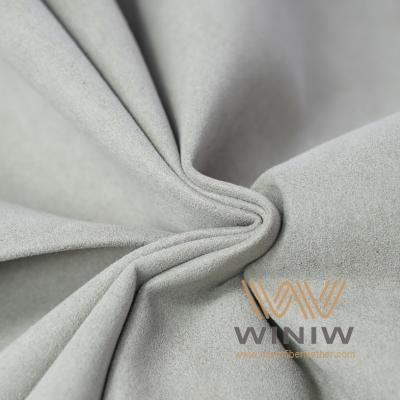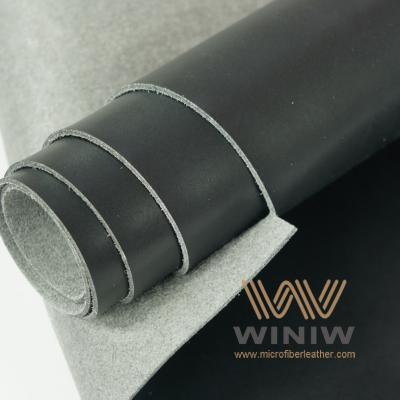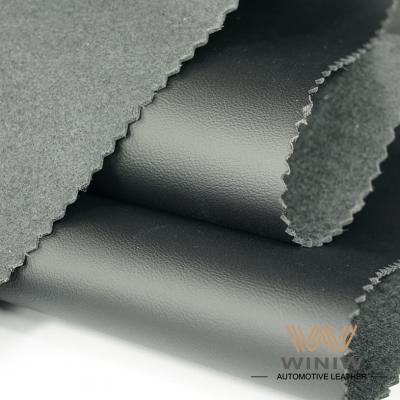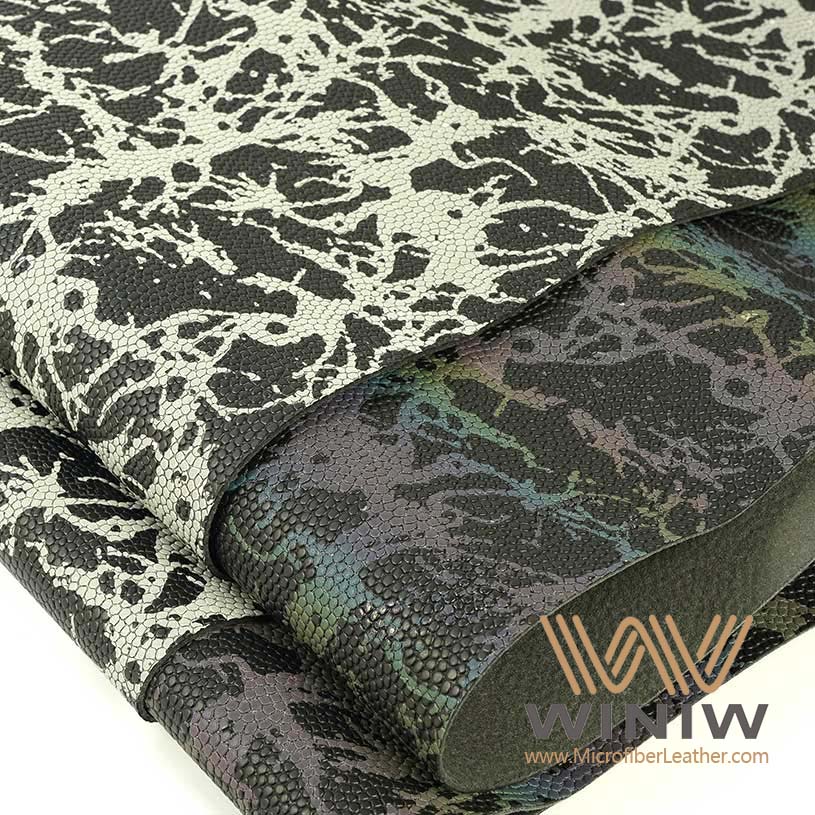
ترى كرات القدم الاحترافية والجامعية مصنوعة من جلد البقر أو جلد العجل، وليس جلد الخنزير. يستخدم المصنّعون سنويًا حوالي 35,000 جلد بقر لصنع 700,000 كرة قدم أمريكية. يوفر جلد كرة القدم قبضة أفضل واستجابة لمسية أدق في الطقس الجاف، ولكنه يمتص الماء ويصبح أثقل في الظروف الرطبة.
اختر كرات القدم المصنوعة من جلد البقر أو جلد العجل للحصول على أفضل قبضة ومتانة.
قم بتنظيف وترطيب كرة القدم الجلدية بانتظام لإطالة عمرها والحفاظ على أدائها.
فهم الاختلافات بين الجلد الطبيعي والجلد الصناعي لاختيار كرة القدم المناسبة لاحتياجاتك.
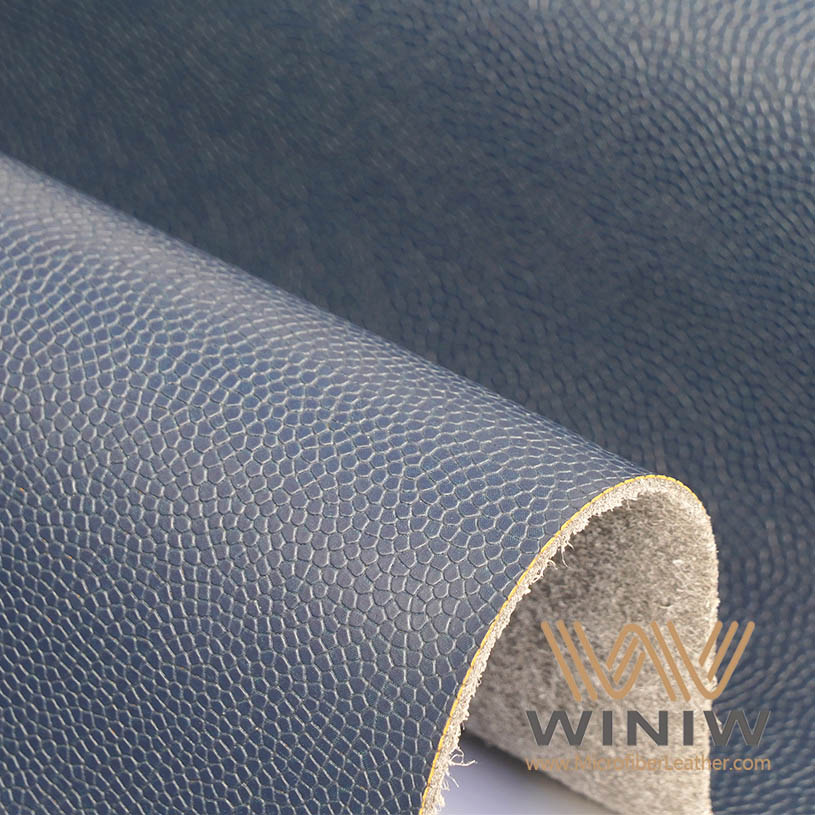
قد تتساءل عن مكونات كرات القدم الأمريكية عندما تمسك بالكرة في التدريب أو تشاهد مباراة على التلفاز. يعتمد الجواب على مستوى اللعب والغرض من الكرة. تُصنع كرات القدم الرسمية للمباريات الاحترافية والجامعية من جلد البقر أو جلد العجل. يختار المصنّعون الجلد الطبيعي لأنه يوفر أفضل مزيج من القوة والمرونة والمتانة. يمنحك هذا الجلد قبضة طبيعية وملمسًا لا يُضاهى بالبدائل الصناعية.
إذا نظرت داخل كرة القدم، ستجد عدة طبقات ومكونات. إليك تفصيل للمواد الرئيسية المستخدمة في كرات القدم الحديثة:
|
عنصر |
خيارات المواد |
|---|---|
|
غطاء |
جلد البقر أو جلد العجل، والجلد الصناعي (PU، PVC)، والجلد المقلد |
|
الخياطة |
خيوط مخيطة يدوياً أو آلياً |
|
البطانة الداخلية |
طبقات من البوليستر أو القطن لمزيد من المتانة |
|
المثانة |
مطاط اللاتكس أو البوتيل لحفظ الهواء |
كما ترى، فإن مادة جلد كرة القدم تشكل الغلاف الخارجي، بينما تساعد الطبقات الداخلية والمثانة الكرة على الحفاظ على شكلها وارتدادها.
ستلاحظ أن أنواع الجلود تختلف. يستخدم المصنّعون الجلد الطبيعي الكامل في صناعة كرات القدم الرسمية لأنه يُستخرج من أقوى أجزاء الجلد. يتميز هذا النوع من الجلد بمقاومته للتآكل، ومرونته، وعمره الطويل مقارنةً بأنواع الجلود الأخرى. تُعدّ شركة هوروين للجلود المورد الرئيسي للجلود المستخدمة في كرات القدم الأمريكية (NFL). وتستخدم الشركة أساليب الدباغة التقليدية وتطبق ضوابط صارمة للجودة لضمان استيفاء كل قطعة جلد لمعايير الأداء الرياضي.
فيما يلي مقارنة سريعة للمواد الشائعة المستخدمة في صناعة أغطية كرات القدم:
|
مادة |
متانة |
يشعر |
|---|---|---|
|
جلد طبيعي كامل الحبيبات |
ممتاز |
قبضة طبيعية فائقة |
|
جيد |
ناعم ومرن |
|
|
عدل |
قاسٍ، أقل راحة |
|
|
جلد صناعي |
يختلف |
يحاكي الجلد |
ستجد أن الجلد الطبيعي الكامل يتميز بجودته وأدائه. أما خيارات الجلد الصناعي لكرة القدم، مثل البولي يوريثان والبولي فينيل كلوريد، فتُوفر تكلفة أقل ومقاومة للماء، لكنها لا تُوفر نفس الثبات أو الملمس الذي يُوفره الجلد الطبيعي.
نصيحة: إذا كنت تريد كرة تدوم طويلاً وتشعر بالراحة عند الإمساك بها، فاختر واحدة مصنوعة من جلد البقر أو جلد العجل كامل الحبيبات.
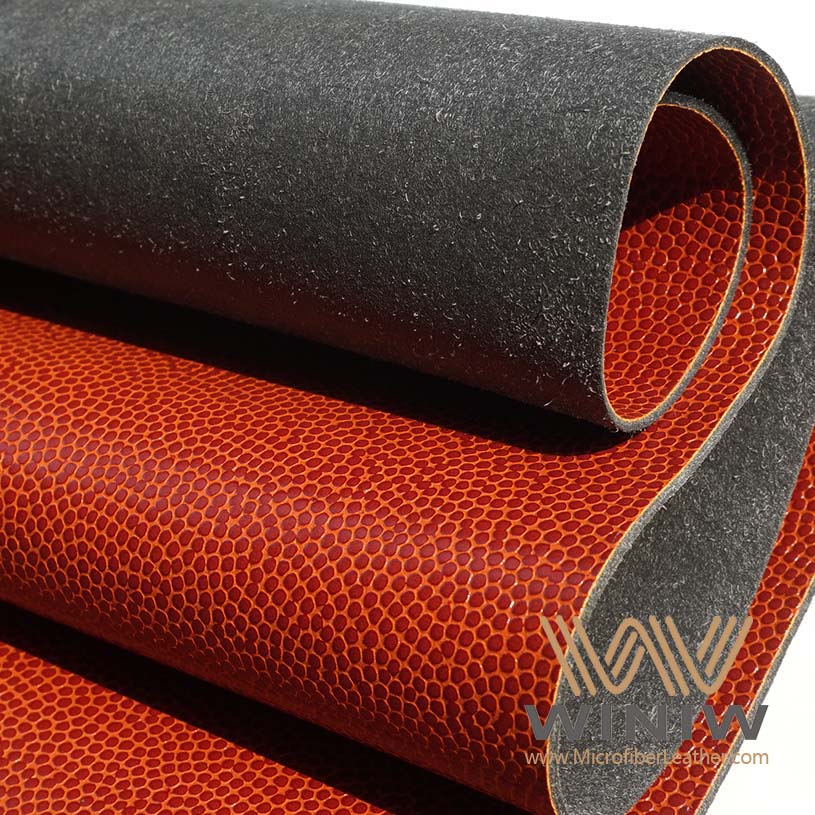
قد تتساءل عن سبب اختيار المصنّعين لجلود الأبقار والثيران لصناعة كرات القدم. توفر هذه الجلود توازناً فريداً بين المتانة والمرونة والتماسك. عند اللعب بكرة قدم جلدية، ستشعر بملمس طبيعي يساعدك على التحكم بالكرة، خاصةً في الظروف الجافة. يمتص الجلد بعض الرطوبة، مما قد يجعل الكرة أثقل في الطقس الرطب، لكن مزايا سهولة الاستخدام وطول العمر تفوق هذا العيب.
تُزوّد شركة هوروين للجلود دوري كرة القدم الأمريكية (NFL) بالجلود المصنوعة يدويًا منذ أكثر من 80 عامًا. وتركز ممارساتها في التوريد على الجودة، باستخدام أساليب تحافظ على متانة الجلد الطبيعية وملمسه. وبذلك، تحصل على كرة قدم تلبي معايير صارمة للأداء والمظهر.
جلد صناعي أصبحت كرات القدم شائعةً في اللعب الترفيهي ودوريات الشباب. يُعدّ البولي يوريثان (PU) والبولي فينيل كلوريد (PVC) أكثر أنواع الجلود الصناعية شيوعًا. يتميز البولي يوريثان بمتانته ومقاومته للماء، بينما يُعدّ البولي فينيل كلوريد أقل تكلفةً ولكنه أكثر صلابةً وأقل راحةً. تتميز كرات القدم المصنوعة من الجلد الصناعي بسهولة تنظيفها وصيانتها، لكنها لا تُضاهي ملمس الجلد الطبيعي وقبضته.
إليكم جدول يقارن بين الخيارات الطبيعية والاصطناعية:
|
مادة |
متانة |
مقاومة للماء |
يشعر |
يكلف |
|---|---|---|---|---|
|
جلد طبيعي |
عالي |
معتدل |
ملمس طبيعي فائق |
الأغلى ثمناً |
|
جلد البولي يوريثان (PU) |
عالي |
ممتاز |
يحاكي الجلد بشكل جيد |
أكثر بأسعار معقولة |
|
جلد البولي فينيل كلوريد (PVC) |
عالي |
جيد |
أكثر صلابة من البولي يوريثان |
اقتصادي |
كما ترون، لا تزال كرات القدم المصنوعة من جلد البقر أو العجل هي المعيار الذهبي للمباريات الرسمية. توفر كرات القدم المصنوعة من الجلد الصناعي مزايا عملية للتدريب واللعب غير الرسمي، لكنها لا تُضاهي جودة وأداء الجلد الطبيعي.
قد تتساءل كيف تُصنع كرات القدم من المواد الخام إلى المنتج النهائي الذي تراه في الملعب. تبدأ العملية بجمع جلود الأبقار والمطاط عالية الجودة. يقوم المصنّعون بتقطيع جلود الأبقار إلى ألواح، وتشكيلها، وخياطتها معًا. تستغرق هذه العملية عادةً حوالي خمسة أيام. بعد التجميع، تُنفخ كرات القدم وتُفحص جودتها قبل توزيعها على المتاجر.
ملاحظة: تؤثر عملية التجميع - القص والخياطة واللصق والنفخ - بشكل مباشر على متانة الكرة وأدائها. غالبًا ما ينتج عن الخياطة اليدوية كرة قدم أكثر مرونة ومتانة، بينما يمكن أن تقلل الخياطة الآلية من التكاليف.
لفهم كيفية صنع كرات القدم، يجب عليك النظر إلى كل خطوة:
اجمع المواد الخام مثل جلد البقر للغطاء الخارجي والمطاط للمثانة.
قم بتقطيع جلد البقر إلى أربعة ألواح.
قم بخياطة الألواح معًا، مع ترك فتحة للمثانة.
أدخل المثانة المطاطية وانفخ الكرة.
أضف أربطة صناعية وأنهِ الخياطة.
افحص واختبر كل كرة قدم للتأكد من شكلها وجودتها.
تستخدم كرات القدم الحديثة عملية التشكيل لضمان شكل موحد وأداء ثابت لكل كرة. ويؤثر اختيار المواد المستخدمة في الغلاف الخارجي والبطانة الداخلية على قوة التماسك، والديناميكية الهوائية، والمتانة.
توجد المثانة المطاطية داخل كرة القدم وتحتفظ بالهواء. هذا الجزء أساسي للحفاظ على شكل الكرة وارتدادها. يوفر الغطاء الخارجي، المصنوع من جلد البقر المحبب، قبضة وتحكمًا أفضل أثناء اللعب. مع مرور الوقت، حسّن المصنّعون المواد المستخدمة في كل من المثانة والغطاء الخارجي. توفر مثانات البولي يوريثان الآن قدرة أفضل على الاحتفاظ بالهواء، كما تُحسّن الهياكل المُعدّلة من متانتها.
|
نوع المادة |
صفات |
|---|---|
|
جلد البقر |
يوفر ملمسًا وتحكمًا لكرة القدم الأمريكية |
|
يوفر المرونة والمتانة |
|
|
مثانة من البولي يوريثان |
يعزز الاحتفاظ بالهواء والأداء |
|
مادة PVC |
تُستخدم هذه الخيارات الأرخص، وقد تتطلب نفخًا متكررًا. |
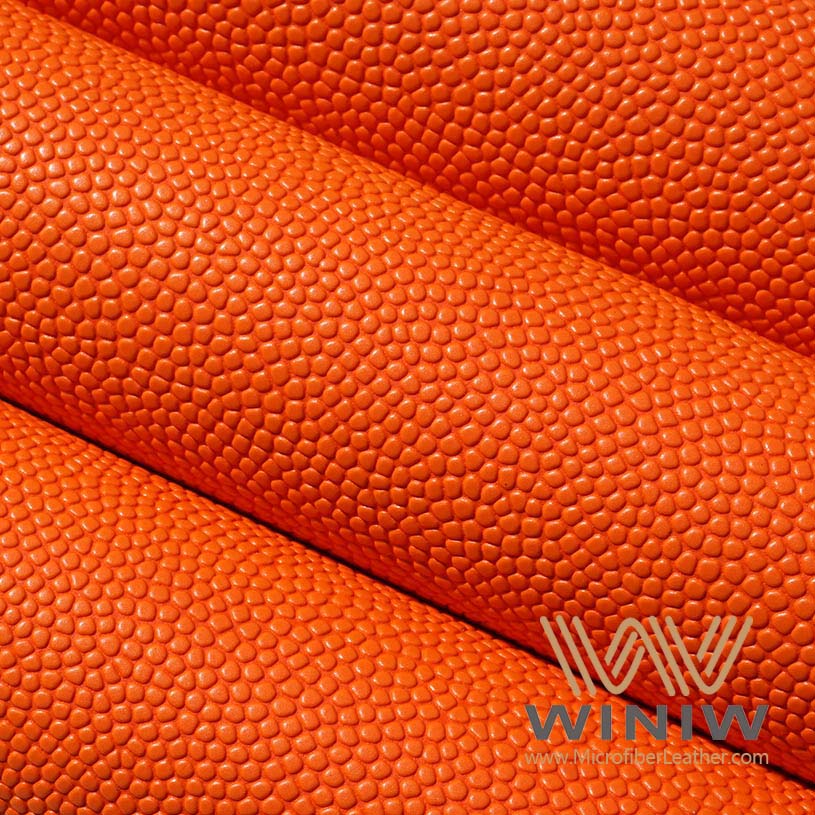
يمكنك إطالة عمر كرة القدم الجلدية الخاصة بك بالعناية المناسبة. إليك بعض أفضل الممارسات:
قم بتنظيف الغطاء الخارجي بعد كل استخدام لإزالة الأوساخ والعرق.
ضع طبقة رقيقة من مرطب الجلد كل بضعة أشهر لمنع الجفاف والتشقق.
احفظ كرة القدم في مكان بارد وجاف بعيداً عن أشعة الشمس المباشرة.
استخدم أدوات التبطين لمساعدة الكرة على الحفاظ على شكلها أثناء التخزين.
قم بالتناوب بين كرات القدم إذا كنت تستخدمها كثيراً لضمان تآكلها بشكل متساوٍ.
نصيحة: التنظيف والصيانة المنتظمة لا تحافظ فقط على مظهر كرة القدم بشكل جيد، بل تعمل أيضًا على تحسين القبضة والمتانة.
باتباع هذه الخطوات، فإنك تساعد كرة القدم الخاصة بك على الحفاظ على أدائها ومظهرها لعدة مواسم.
ستجد نوعين رئيسيين من أغطية كرة القدم: الجلد الطبيعي و جلد صناعي يُصنع الجلد الطبيعي من جلود الحيوانات، بينما يُصنع الجلد الصناعي من مواد من صنع الإنسان مثل البلاستيك. ولكل نوع خصائص فريدة تؤثر على الجودة والأداء.
إليكم مقارنة سريعة:
|
ميزة |
جلد |
هندوسي |
|---|---|---|
|
تعبير |
منتج طبيعي من جلد الحيوانات |
المواد المصنعة (البلاستيك، والمنسوجات) |
|
قابلية التمدد |
يتمدد ويتشكل حسب الشكل |
نادراً ما يتمدد، ويعود إلى شكله الأصلي |
|
صيانة |
يتطلب رعاية منتظمة |
أسهل في التنظيف، ولا يمتص الرطوبة |
|
يكلف |
أغلى ثمناً بشكل عام |
عادة ما تكون أقل تكلفة |
|
يشعر |
إحساس أكثر نعومة وراحة |
يختلف، فقد يكون ناعماً أو مبطناً |
|
أداء المياه |
يمتص الرطوبة، وقد يصبح ثقيلاً |
يبقى خفيف الوزن، ولا يمتص الماء |
|
متانة طويلة الأمد |
يمكن أن يتشقق ويتمدد بشكل مفرط |
بشكل عام، أكثر متانة، وأقل صيانة |
كرات القدم المصنوعة من الجلد الصناعي أقل تكلفةً وتتطلب عنايةً أقل. ستجدها مستخدمةً في المدارس ودوريات الشباب نظرًا لمتانتها العالية وأدائها الثابت. أما كرات القدم المصنوعة من الجلد الطبيعي فهي أغلى ثمنًا، لكنها تتميز بجودة أعلى وملمس تقليدي.
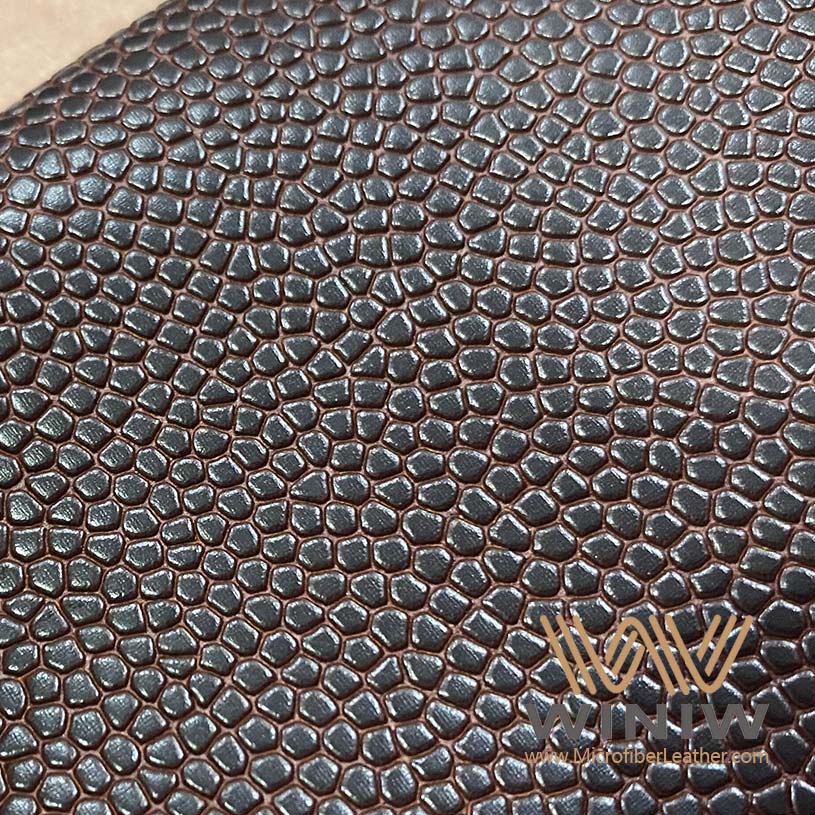
تريد كرة قدم تُقدّم أداءً فائقًا وتدوم طويلًا. يتميّز الجلد الصناعي، وخاصةً جلد البولي يوريثان، بمقاومته العالية للماء وأدائه الثابت في جميع الأحوال الجوية. تُوفّر لك كرات القدم المصنوعة من الجلد الطبيعي قبضةً وشعورًا كلاسيكيين، لكنها تحتاج إلى عناية أكبر وقد لا تُؤدّي أداءً جيدًا في الظروف الرطبة.
|
مادة |
مقاومة للماء |
طول العمر |
سيطرة |
|---|---|---|---|
|
جلد صناعي |
عالي |
من أشهر إلى سنوات |
ممتاز |
|
جلد طبيعي |
معتدل |
عمر أطول |
جيد |
أظهرت الاختبارات المعملية أن كرات القدم الجلدية تحافظ على تماسكها بشكل ممتاز في الظروف الرطبة. أما كرات القدم الصناعية، فقد تفقد تماسكها عند البلل، مما يؤثر على أدائها. ستلاحظ أن كرات القدم الجلدية تتحسن تماسكها عند البلل، بينما تصبح الكرات الصناعية زلقة. بالنسبة للمؤسسات ذات الميزانيات المحدودة، توفر كرات القدم الصناعية توازناً بين الجودة والأداء بسعر أقل.
نصيحة: اختر الجلد الطبيعي للحصول على أفضل قبضة وجودة، ولكن اختر الجلد الصناعي إذا كنت بحاجة إلى سهولة الصيانة وأداء موثوق به في جميع الأحوال الجوية.
ستلاحظ الفرق في الجودة والأداء في كل مرة تمسك فيها كرة القدم. توفر كرات القدم المصنوعة من الجلد الطبيعي ملمسًا فريدًا يُحسّن من قوة الإمساك بها وردود الفعل اللمسية. هذا التناغم يُساعدك على التحكم بالكرة بشكل أفضل أثناء اللعب. أما الجلد الصناعي، وخاصة البولي يوريثان، فيتميز بملمسه الناعم، ولكنه يفتقر إلى ردود الفعل اللمسية للجلد الطبيعي، مما قد يؤثر على تحكمك بالكرة.
يؤكد اللاعبون المحترفون أن ملمس الكرة وسهولة التحكم بها يؤثران على أدائهم وقراراتهم في الملعب. فالتحكم الأفضل بالكرة يؤدي إلى تحسين الأداء واتخاذ قرارات أكثر ملاءمة خلال المباريات. وعند استخدام كرة قدم جلدية عالية الجودة، ستلاحظ تحسناً ملحوظاً في الأداء، خاصةً في المباريات التنافسية.
يوفر الجلد الطبيعي قبضة طبيعية وجودة فائقة.
يوفر الجلد الصناعي أداءً ثابتاً وسهولة في العناية.
يعتمد الاختيار الصحيح على احتياجاتك من حيث الأداء والجودة والميزانية.
لقد تعلمت أن مادة الجلد المستخدمة في كرة القدم تؤثر على الأداء والمتانة.
تتفوق المواد الحديثة على الجلود القديمة من حيث السلامة والتماسك.
تساهم التطورات في التصميم في تحسين اللعب.
|
سبب استخدام جلد البقر |
تفاصيل |
|---|---|
|
قبضة ومتانة |
جلد البقر يقاوم التمدد ويوفر تحكمًا أفضل. |
|
التقليد |
تعتمد الدوريات الكبرى على جلد البقر لجودته. |
اختر كرة القدم من خلال مراعاة قوة التماسك والمتانة واحتياجاتك في اللعب.
امسح الكرة بقطعة قماش مبللة. استخدم كمية قليلة من منظف الجلد. اترك كرة القدم تجف في الهواء قبل تخزينها.
ستحصل على قبضة أفضل ومتانة أكبر مع جلد البقر. جلد صناعي تكلفته أقل ولكنه لا يضاهي الأداء المطلوب للألعاب الاحترافية.
ترى برنامج الجودة الخاص بالفيفا المستخدم لكرات القدم. أما كرات القدم الأمريكية فتخضع لمعايير مختلفة تحددها منظمات مثل دوري كرة القدم الأمريكية (NFL) والرابطة الوطنية لرياضة الجامعات (NCAA).
Winiw International Co.,Ltd


المسح الضوئي إلى wechat:




 هاتف : +86 18150976625
 البريد الإلكتروني : Market@MicrofiberLeather.com