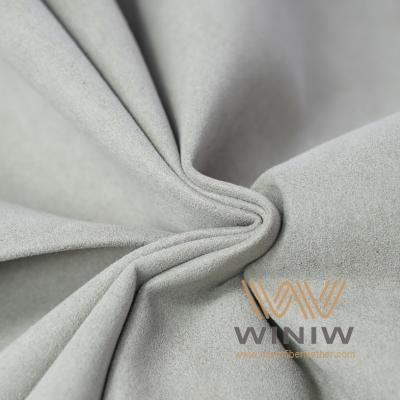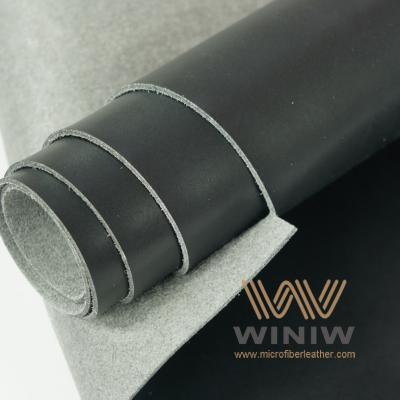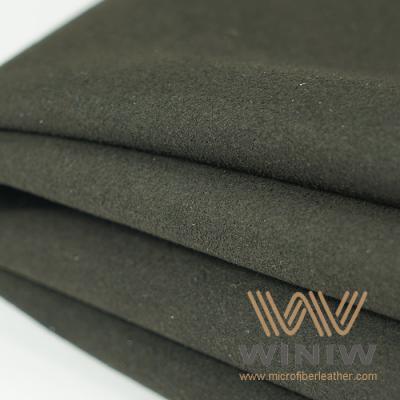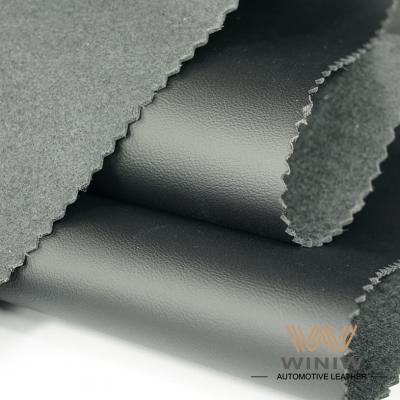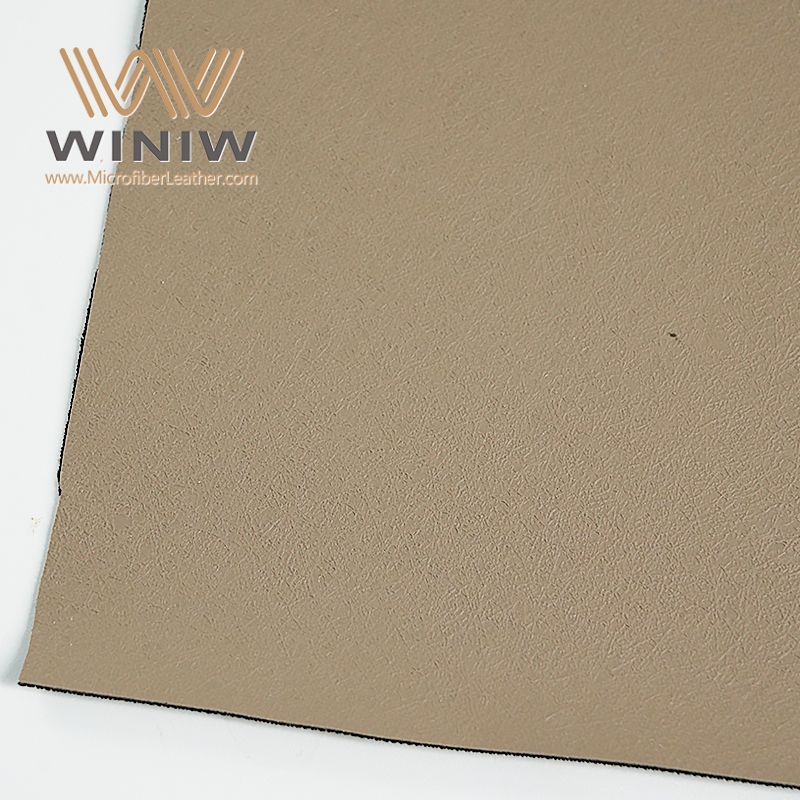
تجد الأقمشة الجلدية في كل من صناعة الأزياء والمفروشات، لأن الناس قدّروا هذه المادة المتينة والمتعددة الاستخدامات لقرون. استخدم الإنسان القديم الجلد في الملابس والمأوى. ومع مرور الوقت، طورت الحضارات أساليب دباغة لجعل الجلد الطبيعي يدوم لفترة أطول.
كان الناس في عصور ما قبل التاريخ يرتدون الجلد ويستخدمونه كمأوى.
صنع الإغريق القدماء الصنادل من الجلد، واستخدمه الرومان في صناعة الدروع.
ساهمت النقابات في تطوير صناعة الجلود في العصور الوسطى.
شهد القرن التاسع عشر إدخال دباغة الكروم من أجل إنتاج أسرع.
يواصل المصممون المعاصرون الابتكار في مجال الجلود.
كثيراً ما نرى الجلد الطبيعي في الأثاث والملابس. أما الآن، فتتوفر بدائل صناعية. يساعدك فهم الفرق بين القماش والجلد على اختيار المادة الأنسب لاحتياجاتك.
يتمتع النسيج الجلدي بتاريخ عريق، إذ تطور من كونه ضرورة أساسية إلى رمز للأناقة والمكانة الاجتماعية. ويساعد فهم أصوله على تقدير قيمته في عالم الموضة والتنجيد.
أنواع مختلفة من الجلود تتميز أنواع الخشب المختلفة، مثل الخشب الكامل الحبيبات والخشب ذي الحبيبات العلوية، بخصائص فريدة. ويضمن اختيار النوع المناسب لاحتياجاتك المتانة والراحة في مشاريعك.
تساهم العناية السليمة بالجلد في إطالة عمره. فالتنظيف والترطيب المنتظم يحافظان على نعومة الجلد ويمنعان تلفه، مما يجعله استثماراً مجدياً.
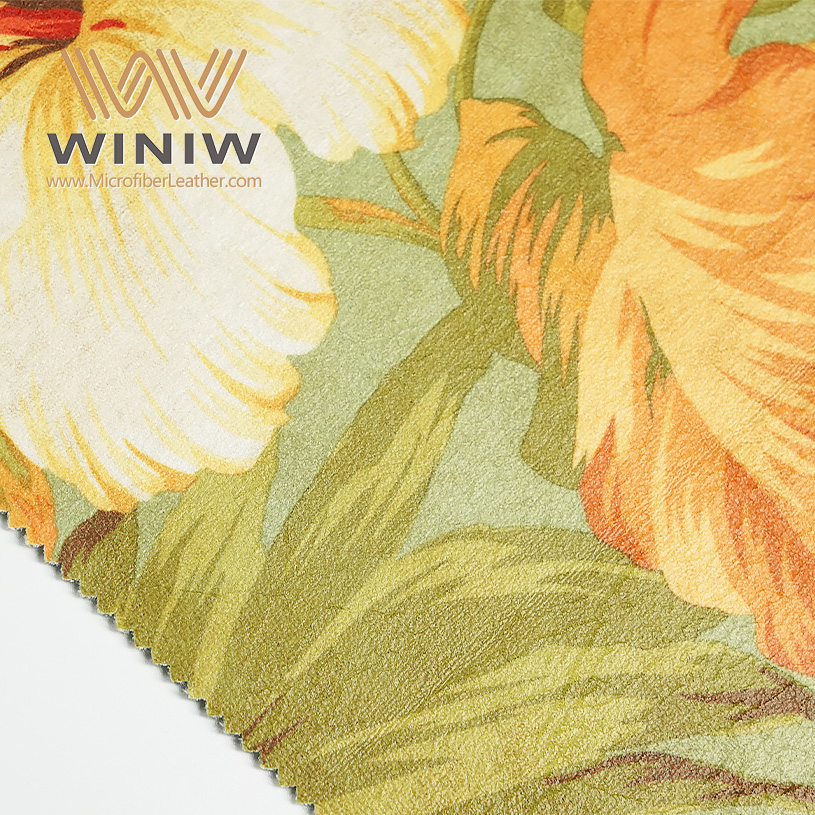
تجد نسيج الجلد عند ملتقى الطبيعة والحرفية. يأتي هذا النسيج من جلود الحيوانات التي استخدمها الناس لآلاف السنين. اعتمد الإنسان القديم على الجلد للحماية والدفء. بمرور الوقت، ترى الجلد يتطور من ضرورة أساسية إلى رمز للمكانة والأناقة
تشمل المصادر الرئيسية للجلود ما يلي:
جلود من الماشية والجاموس المائي
جلود الأغنام والماعز والخنازير والغزلان
خيارات غريبة مثل الثعبان والتمساح والنعامة
يشكل جلد البقر اليوم حوالي 67% من إنتاج الجلود العالمي. أما جلود الأغنام والماعز والخنازير والجلود الغريبة فتكمل النسبة المتبقية. يُلاحظ أن لكل نوع من أنواع الجلود خصائص فريدة تجعله مناسبًا لاستخدامات مختلفة.
إذا نظرت إلى التاريخ، سترى رحلة الجلد:
في العصور القديمة، كان الناس يستخدمون الجلد لصنع الملابس والأدوات الواقية.
خلال العصور الوسطى، أصبح الجلد ضرورياً لصناعة الدروع والسلع اليومية.
حوّل عصر النهضة الجلد إلى مادة فاخرة لصناعة الملابس المزخرفة.
أدت الثورة الصناعية إلى ظهور آلات جعلت الجلد أكثر توفراً.
في العصر الحديث، تجد الجلد في الأزياء والأثاث والسيارات والمعدات الرياضية.
لا يمكن استخدام جلود الحيوانات الخام كنسيج لأنها تتحلل بسرعة. تُغير عملية الدباغة هذه الخاصية، إذ تحوّل الجلود سريعة التلف إلى نسيج جلدي متين. تبدأ العملية بخطوات تحضيرية مثل المعالجة والنقع والتكليس، حيث تعمل هذه الخطوات على تنظيف الجلود وتليينها.
تشمل الخطوات الرئيسية في عملية تسمير البشرة ما يلي:
تحضير : المعالجة، والنقع، والتكليس، وإزالة اللحم، والتقسيم، وإزالة التكليس، والنقع، والتخليل.
الدباغة : استخدام الدباغة بالكروم، أو الدباغة الخالية من الكروم، أو الدباغة النباتية لتثبيت الجلد.
عمليات ما بعد الدباغة : الحلاقة والتشطيب لإنشاء نسيج الجلد النهائي.
تعمل عملية الدباغة على تثبيت بنية البروتين في الجلد، مما يمنع تحلله ويجعله قويًا ومتينًا. على سبيل المثال، تُنتج الدباغة بالكروم جلدًا متينًا ومرنًا في آن واحد. أما الدباغة النباتية فتستخدم مواد نباتية للحصول على مظهر طبيعي أكثر.
نصيحة: يدوم الجلد المدبوغ لفترة أطول بكثير من الجلود غير المعالجة. يمكنك الاعتماد عليه في صناعة الملابس والأثاث والإكسسوارات
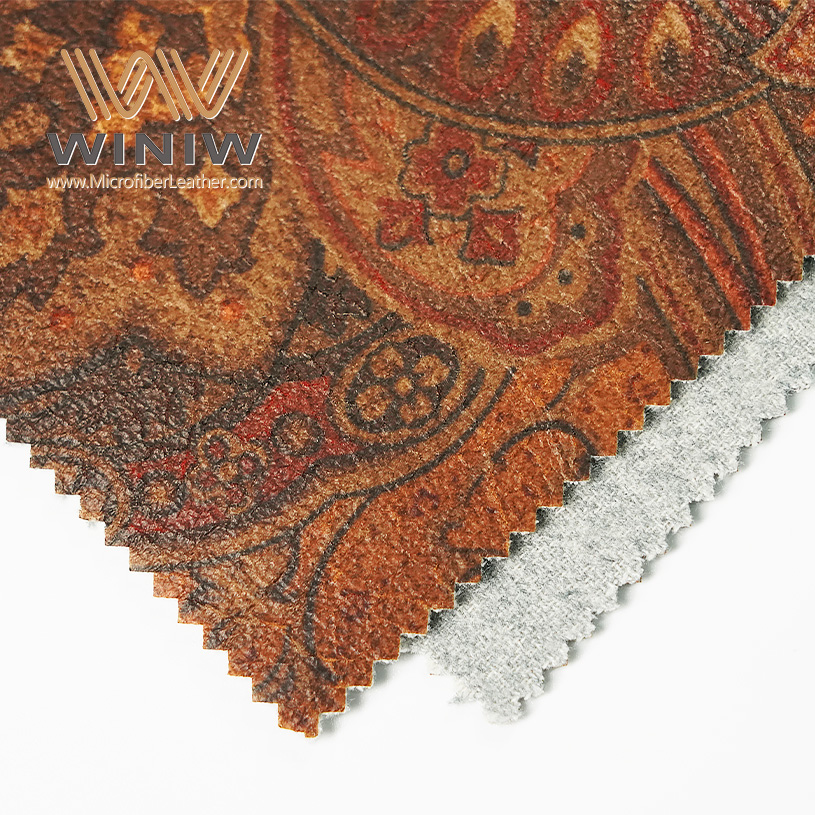
إليكم مقارنة سريعة:
|
العملية |
الوصف |
|---|---|
|
عملية الدباغة |
يعزز المتانة عن طريق تثبيت بنية البروتين للجلود |
|
التفاعل الكيميائي |
تتفاعل عوامل الدباغة مع الكولاجين، مما يمنع تحلله وتدهوره |
|
الطرق |
دباغة الكروم تجعل الجلد أكثر متانة وليونة. |
ستجد أنواعًا عديدة من الأقمشة الجلدية في عالم الأزياء والتنجيد. لكل نوع منها مظهره وملمسه واستخداماته الخاصة. يساعدك فهم أنواع الأقمشة الجلدية على اختيار الخامة المناسبة لمشروعك.
فيما يلي الأنواع الرئيسية:
|
نوع الجلد |
الوصف |
|---|---|
|
جلد طبيعي كامل الحبيبات |
جلد عالي الجودة، متين، يكتسب بريقًا مع مرور الوقت، ويحتفظ بالعيوب الطبيعية |
|
جلد عالي الجودة |
أرق وأكثر مرونة، وله طبقة حماية، وأقل تكلفة من الجلد الطبيعي |
|
جلد طبيعي |
مصنوع من قطع متبقية من جلد عالي الجودة، وهو شائع واقتصادي |
|
جلد محبب مصحح |
تم تعديله لتحسين المظهر الجمالي، وغالبًا ما يتم صبغه ليتناسب مع الأنماط، وهو الخيار الأقل تكلفة المتاح |
|
جلد مقسوم |
مصنوع من طبقات سفلية، أقل متانة، وغالبًا ما يكون مطليًا لتقليد جلد الحبوب |
|
الجلد المُعاد تدويره |
مصنوع من قصاصات مُمزقة، أقل متانة، يُستخدم في منتجات منخفضة التكلفة المنتجات . |
|
البولي يوريثان (PU) |
مسامي، مرن، يستخدم في صناعة الملابس والمفروشات |
|
الفينيل (PVC) |
أكثر مرونة من البولي يوريثان، وأقل تهوية، ومثالي للحقائب وأغطية الأثاث |
|
جلد صناعي |
مظهر موحد، يفتقر إلى التباينات الطبيعية، وأقل متانة بشكل عام |
قد تجد مصطلح "الجلد الطبيعي" على بعض المنتجات. هذا المصطلح قد يكون مُضللاً. فالجلد الطبيعي غالباً ما يُشير إلى مواد أقل جودة مصنوعة من الجلد المدبوغ أو المُعاد تدويره. أما الجلد الطبيعي الكامل والجلد الطبيعي العلوي فيُوفران جودة ومتانة أعلى.
الجلد الصناعي ، والذي يُسمى أيضًا بالجلد الصناعي، يمنحك مظهرًا موحدًا وتكلفة أقل. وهو مناسب للاستخدامات الخارجية والتجارية. تضيف أنواع الجلود الخاصة، مثل تلك المستخرجة من الحيوانات الغريبة، لمسة من الفخامة والملمس الفريد إلى الأزياء والتنجيد
ملاحظة: يتطلب الجلد الطبيعي ترطيبًا منتظمًا ليظل ناعمًا وقويًا. أما الجلد الصناعي فهو أسهل في التنظيف ولكنه لا يكتسب طبقةً لامعة
عند اختيارك لأقمشة الجلد، ضع في اعتبارك نوعها وجودتها والاستخدام المقصود منها. هذه المعلومات تساعدك على اتخاذ قرارات مدروسة سواءً لمشاريع الأزياء أو التنجيد.
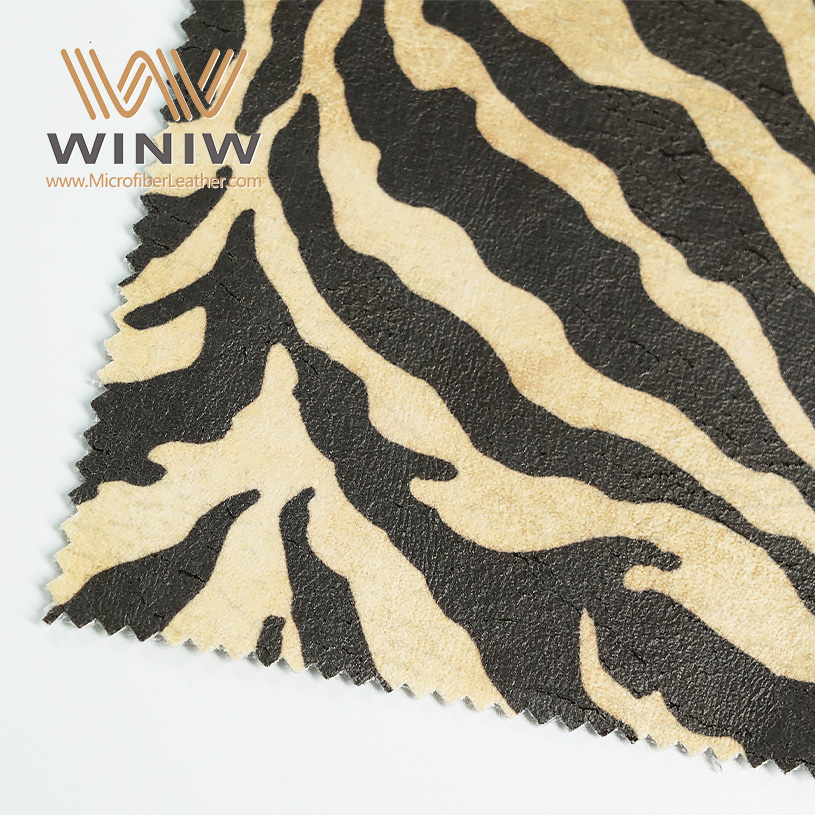
تجد الجلد في كل مكان في عالم الموضة. يستخدم المصممون الجلد لابتكار قطع مميزة تتميز بمتانتها وأناقتها. يمكنك العثور على سترات ومعاطف وبناطيل وتنانير وصدريات جلدية في العديد من المجموعات. كما تعتمد الإكسسوارات، مثل الأحزمة والقفازات والقبعات والمحافظ، على الجلد لقوته وجاذبيته. أما الأحذية، بما فيها الأحذية الطويلة والقصيرة والصنادل، فتُصنع غالباً من الجلد لراحته ومتانته. وتُبرز حقائب اليد والمحافظ وحقائب الظهر تنوع استخدامات الجلد.
سترات جلدية، معاطف، سراويل، تنانير، وصدريات
الملحقات: أحزمة، قفازات، قبعات، محافظ
الأحذية: الأحذية الطويلة، الأحذية، الصنادل
حقائب اليد، المحافظ، حقائب الظهر
تلاحظ أن الجلد الطبيعي والجلد عالي الجودة يهيمنان على عالم الأزياء الراقية. يوفر الجلد كامل الحبيبات جودة لا مثيل لها ويكتسب بريقًا فريدًا بمرور الوقت. يوفر الجلد الصناعي والجلد المقلد بدائل بأسعار معقولة، مما يجعل نسيج الجلد في متناول المزيد من الناس. تجرّب العلامات التجارية الآن مواد مستدامة مثل جلد الفطر والقنب. جلد الفطر قابل للتحلل الحيوي وخالٍ من القسوة، بينما القنب متين ومقاوم للعفن. تستخدم العلامات التجارية الراقية مثل هيرميس جلد الفطر لتصميمات قابلة للتخصيص. من المتوقع أن يصل السوق العالمي للجلود الاصطناعية إلى 67 مليار دولار بحلول عام 2030. تتبنى علامات تجارية مثل مارا هوفمان وكولينا سترادا وإيفرلين الاستدامة، مما يدل على أن نسيج الجلد يستمر في التطور
|
المادة |
الفوائد |
الأثر البيئي |
|---|---|---|
|
جلد الفطر |
تصاميم مستدامة، قابلة للتحلل الحيوي، خالية من القسوة، وقابلة للتخصيص |
يقلل من البصمة البيئية لصناعة الأزياء |
|
القنب |
متين، مقاوم للعفن، يتطلب الحد الأدنى من الماء والمبيدات الحشرية |
سلبي الكربون، يستخدم كمية أقل من الماء والأرض مقارنة بالقطن |
تختار الجلد الطبيعي الكامل للتنجيد عندما ترغب في متانة وراحة استثنائيتين. يدوم الجلد الطبيعي الكامل لعقود مع العناية المناسبة. فهو يقاوم الانسكابات والبقع والتآكل، مما يجعله مثاليًا للمنازل التي بها أطفال أو حيوانات أليفة. يمكنك مسح الانسكابات بسهولة، ولا يمتص الجلد الروائح مثل الأقمشة. كما أن الجلد الطبيعي الكامل أقل نفاذية من معظم الأقمشة، لذا لا تتراكم مسببات الحساسية مثل الغبار وحبوب اللقاح في التنجيد. وهذا ما يجعله خيارًا رائعًا لمن يعانون من الحساسية.
يتميز الجلد الطبيعي الكامل بتنوعاته الطبيعية وملمسه الغني. تجده في الأرائك والكراسي وتصميمات السيارات الداخلية حيث الجودة أساسية. كما يُستخدم الجلد الطبيعي عالي الجودة في العديد من قطع الأثاث، موفرًا توازنًا بين المتانة والسعر المناسب. يوفر كل من الجلد الطبيعي والجلد الطبيعي عالي الجودة الراحة والأناقة، لكن الجلد الطبيعي الكامل يبقى المعيار الذهبي من حيث المتانة وطول العمر.
تُقدّر الراحة في التنجيد، والجلد يوفر تهوية طبيعية وتنظيمًا لدرجة الحرارة. يزداد جمال الجلد مع مرور الوقت، حيث يكتسب الجلد الطبيعي طبقةً تُعزز من رونقه. تُقدّر تنوّع استخدامات الجلد في التصميم الداخلي، حيث يُضفي عليه أناقةً ودفئًا.
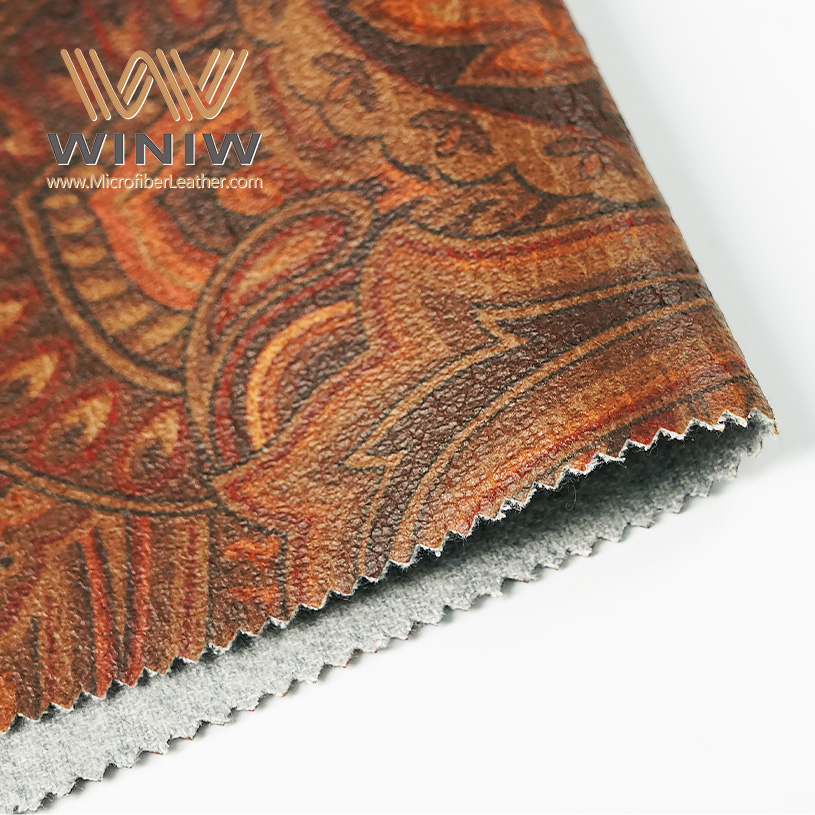
ستجد العديد من البدائل المصنوعة من الجلد الصناعي في كل من الأزياء والتنجيد. جلد البولي يوريثان و جلد المايكروفايبر خيارات شائعة. جلد البولي يوريثان ميسور التكلفة ويُستخدم غالبًا كبديل نباتي. جلد المايكروفايبر يُحاكي الجلد الطبيعي ويُوفر متانة فائقة. تجد هذه المواد في السترات وحقائب اليد والأحزمة والمحافظ ومقاعد السيارات والأحذية
|
المادة |
الخصائص |
التطبيقات |
|---|---|---|
|
جلد البولي يوريثان |
بأسعار معقولة، وغالبًا ما تستخدم كبديل نباتي، ومناسبة لأزياء السوق الشامل |
السترات، حقائب اليد، الأحزمة، المحافظ |
|
جلد من الألياف الدقيقة |
أداء عالٍ، مصمم لتقليد الجلد الطبيعي، متانة فائقة |
تنجيد فاخر، مقاعد سيارات، أحذية |
تسمع مصطلحات مثل الجلد البديل، والجلد الصناعي، جلد نباتي ، والجلد الصناعي، والجلد المقلد. تظهر هذه المواد في الأزياء، وتنجيد الأثاث، والتصميمات الداخلية للسيارات. يوفر الجلد الصناعي والجلد المقلد مظهرًا موحدًا وسهولة في الصيانة. يمكنك اختيار الجلد الصناعي عندما تريد خيارًا فعالًا من حيث التكلفة وأخلاقيًا
|
الميزة |
جلد البولي يوريثان |
جلد صناعي |
جلد طبيعي |
|---|---|---|---|
|
المظهر |
ملمس أكثر واقعية ونعومة |
ملمس أكثر خشونة |
اختلافات طبيعية |
|
تهوية |
أقل تهوية |
عادةً ما تكون أكثر تهوية |
تهوية عالية |
|
متانة |
مقاومة عالية للتآكل والتمزق |
أقل متانة بشكل عام |
يختلف، ولكنه غالبًا ما يكون متينًا للغاية |
|
الصيانة |
سهل التنظيف بقطعة قماش مبللة |
سهل التنظيف بقطعة قماش مبللة |
يتطلب عناية خاصة |
|
الأثر البيئي |
منتج بترولي، أقل استدامة |
يمكن تصنيعها من مواد معاد تدويرها |
تكلفة بيئية عالية |
تلاحظ أن بدائل الجلد الصناعي تُستخدم على نطاق واسع لأنها ميسورة التكلفة وسهلة التنظيف. ومع ذلك، يوفر الجلد الطبيعي والجلد كامل الحبيبات جودة وراحة فائقة. أنت توازن بين مزايا كل مادة بناءً على احتياجاتك
تُقدّر قيمة الجلد لما يتمتع به من خصائص فيزيائية وكيميائية فريدة. فهو يسمح بمرور الهواء وبخار الماء، مما يجعله مريحًا للملابس والأحذية. يتميز الجلد عالي الجودة بمقاومته للماء مع الحفاظ على مرونته وليونته، مما يجعله مثاليًا للتنجيد. كما أنه قابل للتشكيل، ما يسمح بتشكيله بأشكال متنوعة. ويتكيف مع تغيرات الحرارة والرطوبة، مما يجعله مناسبًا للعديد من الاستخدامات.
|
الخاصية |
الوصف |
|---|---|
|
تهوية |
يسمح الجلد بمرور بخار الماء والهواء، مما يجعله مريحًا للملابس والأحذية |
|
مقاومة الماء |
يمكن للجلد عالي الجودة مقاومة الماء مع الحفاظ على مرونته وليونته، وهو مثالي للتنجيد |
|
قابلية التشكيل |
يمكن تشكيل الجلد بسهولة إلى أشكال مختلفة، ويتكيف مع تغيرات الحرارة والرطوبة |
يمكنك مقارنة مستويات التهوية بين المواد المختلفة:
|
نوع الخامة |
مستوى التهوية |
|---|---|
|
جلد |
متوسط |
|
الأقمشة الطبيعية (مثل القطن والكتان) |
مرتفع |
|
الأقمشة الصناعية (مثل البوليستر والنايلون) |
منخفض |
ستجد أن قماش الجلد يوفر تهوية معتدلة، مما يدعم الراحة في كل من الأزياء والتنجيد. قد يحبس الجلد الصناعي والجلد المقلد الحرارة والرطوبة، لذا ضع ذلك في اعتبارك عند اختيار المواد
يمكنك إطالة عمر الأقمشة الجلدية باتباع ممارسات الصيانة الصحيحة. فالتنظيف والترطيب والحماية والتخزين والتعامل السليم مع الجلد يضمن جودة تدوم طويلاً.
التنظيف: استخدم قطعة قماش ناعمة أو فرشاة لإزالة الأوساخ. استخدم منظفًا خاصًا بالجلد للبقع الصعبة. اترك الجلد يجف في الهواء بشكل طبيعي.
العناية بالجلد: يُنصح بترطيب الجلد كل ثلاثة إلى ستة أشهر للحفاظ على نعومته ومنع تشققه.
للحماية: استخدم بخاخات واقية من الأشعة فوق البنفسجية. تجنب الحرارة الشديدة أو الرطوبة. افحص بانتظام للتأكد من عدم وجود أي تلف.
التخزين السليم: خزّن الجلد في مكان بارد وجاف. استخدم أغطية تسمح بمرور الهواء. تجنب تكديسها.
نصائح للتعامل مع الحقائب: تجنب تحميل الحقائب فوق طاقتها. استخدم أداة مساعدة لارتداء الأحذية.
يمكنك مقارنة التكاليف بين الجلد الطبيعي والبدائل الاصطناعية:
|
نوع الجلد |
نطاق السعر |
المتانة |
|---|---|---|
|
جلد طبيعي |
200 - 2000 دولار |
متين للغاية |
|
جلد صناعي |
50 - 300 دولار |
استخدام قصير المدى |
ترى أن الجلد الطبيعي والجلد كامل الحبيبات يكلفان أكثر ولكنهما يدومان لفترة أطول. الجلد الصناعي والجلد المقلد أرخص ولكنهما قد لا يوفران نفس المتانة أو الراحة
عند اختيارك للأقمشة الجلدية، عليك مراعاة الأثر البيئي. فالجلد البلاستيكي يعتمد على الوقود الأحفوري ويفتقر إلى قابلية التحلل الحيوي. أما البدائل النباتية، كالأقمشة المشتقة من الصبار والجلود المصنوعة من الفطر، فتهدف إلى تقليل الأثر البيئي. ويُعدّ الجلد المصنوع من الصبار موفراً لكميات كبيرة من المياه مقارنةً بالجلد الحيواني. كما أن جلد مخلفات التفاح يُصدر كمية أقل من ثاني أكسيد الكربون مقارنةً بإنتاج الجلود التقليدية. وغالباً ما تستخدم مدابغ الجلود كبريتات الكروم، التي تضر بالبيئة. أما الجلد الصناعي، فيُصنع من البلاستيك المشتق من البترول، مما يجعله غير قابل للتحلل الحيوي.
|
المخاوف البيئية |
الوصف |
|---|---|
|
المواد الكيميائية السامة |
تستخدم عملية الدباغة بشكل أساسي أملاح الكروم، والتي لها عيوب بيئية خطيرة |
|
استهلاك المياه |
تستهلك صناعة الدباغة كمية كبيرة من المياه، مما يؤدي إلى ارتفاع مستويات الملوثات في مياه الصرف الصحي |
|
توليد النفايات |
تولد هذه العملية نفايات صلبة وانبعاثات تساهم في تلوث الهواء |
|
التخثث البحري |
تساهم مياه الصرف الناتجة عن إعادة الدباغة بشكل كبير في التخثث البحري |
|
انبعاثات غازات الاحتباس الحراري |
يُعد إنتاج الكهرباء لعمليات الدباغة مصدرًا رئيسيًا لانبعاثات غازات الاحتباس الحراري |
|
السمية الكيميائية |
تساهم المواد الكيميائية المستخدمة في عملية الدباغة في سمية الإنسان والبيئة |
عند الاختيار بين الجلد الطبيعي والجلد الصناعي، تُراعى عوامل مثل المتانة، والملمس، وسهولة الصيانة، والتكلفة، والاعتبارات الأخلاقية. يدوم الجلد الطبيعي من 10 إلى 20 عامًا مع العناية المناسبة، بينما يدوم الجلد الصناعي من 3 إلى 5 سنوات. يتميز الجلد الطبيعي بملمسه الفريد ودفئه، ولكنه يتطلب ترطيبًا منتظمًا. أما الجلد الصناعي فهو أرخص وأسهل في الصيانة، ولكنه قد يُساهم في التلوث.
|
عامل |
جلد طبيعي |
جلد صناعي |
|---|---|---|
|
متانة |
يدوم من 10 إلى 20 عامًا مع العناية المناسبة |
يدوم من 3 إلى 5 سنوات، عرضة للتلف |
|
الملمس والإحساس |
حبيبات فريدة، ناعمة ودافئة |
أملس، متجانس، أقل مرونة |
|
الصيانة والعناية |
يتطلب ترطيبًا منتظمًا |
صيانة أقل، ولكنه عرضة للتلف |
|
التكلفة والقدرة على تحمل التكاليف |
أغلى ثمناً بسبب الجودة |
بديل أرخص |
|
أخلاقي وبيئي |
مخاوف بشأن القسوة على الحيوانات |
مصنوع من البلاستيك، ويساهم في التلوث |
تلاحظ اختلاف تفضيلات المستهلكين بين الأزياء والمفروشات. ففي مجال المفروشات، تُعطى الأولوية للمتانة، حيث يُفضّل الجلد الطبيعي الكامل والجلد عالي الجودة لقوتهما ومقاومتهما للتقادم. أما في مجال المفروشات، فالراحة أساسية، بينما قد تحظى خيارات التصميم والألوان بالأولوية في مجال الأزياء. أنت تُقدّر تنوّع استخدامات الجلد، الذي يُناسب كلا المجالين.
نصيحة: عند اختيارك للجلد، ضع في اعتبارك أولوياتك من حيث الجودة والراحة والمتانة والتكلفة والأثر البيئي. سيساعدك هذا على اتخاذ الخيار الأمثل الذي يلبي احتياجاتك.
يُنظر إلى الجلد كنسيج طبيعي يتميز بمتانة ونعومة وأناقة لا مثيل لها. يبرز الجلد الطبيعي الكامل بفخامته وطول عمره، بينما توفر الخيارات الصناعية أسعارًا معقولة. ضع هذه النقاط في اعتبارك عند اختيار الجلد:
تختلف احتياجات الصيانة باختلاف المناخ والاستخدام.
تختلف التكلفة والأثر البيئي باختلاف النوع.
قيمك هي التي توجهك نحو الخيار الأفضل.
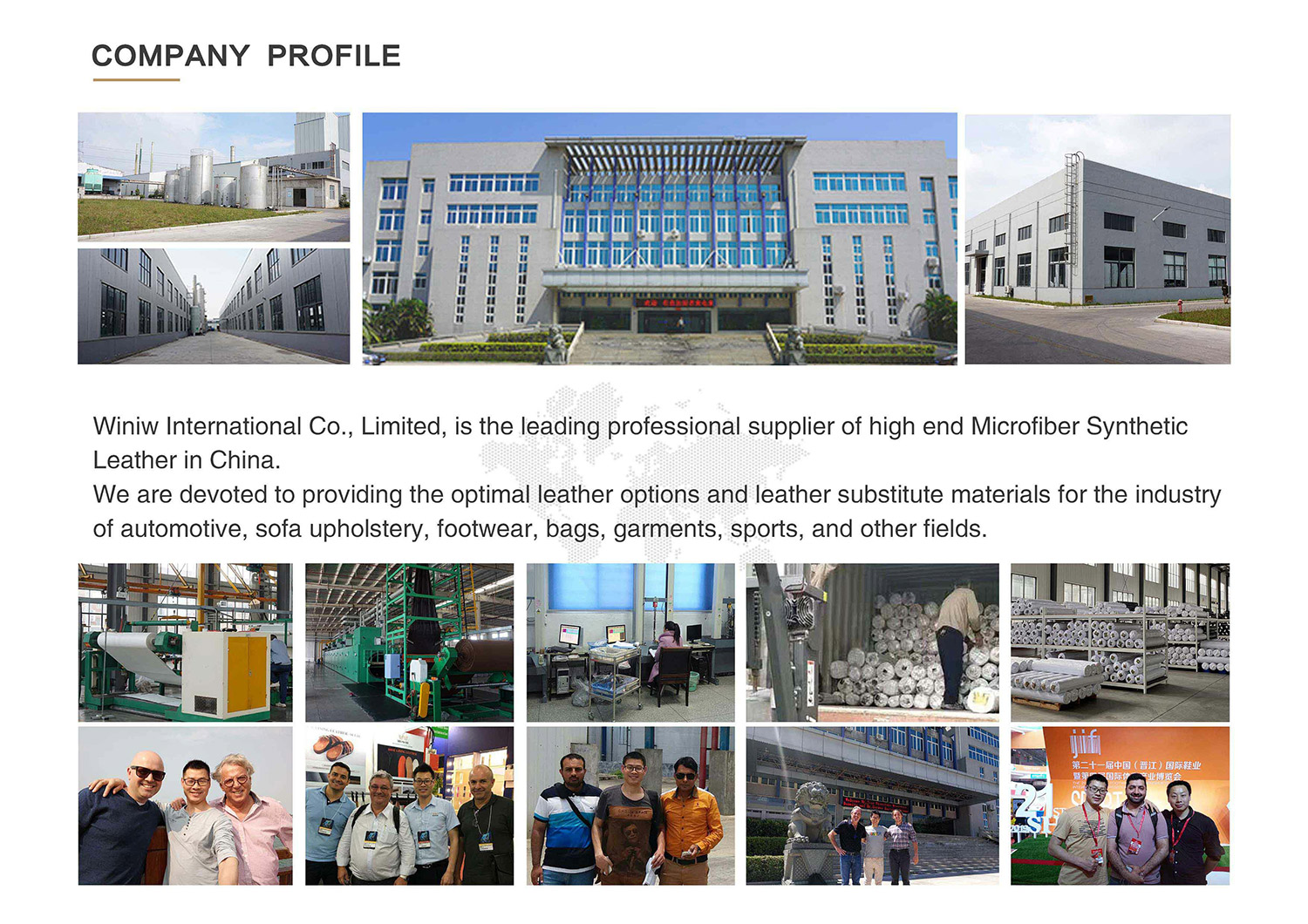
يُستخرج الجلد الطبيعي من جلود الحيوانات الجلد الصناعي يستخدم مواد صناعية. يدوم الجلد الطبيعي لفترة أطول ويكتسب طابعًا مميزًا. الجلد الصناعي أقل تكلفة ويوفر سهولة في التنظيف
يُنصح بتنظيف المنتجات الجلدية بقطعة قماش ناعمة. يُنصح باستخدام مُرطّب الجلد كل بضعة أشهر. يُحفظ في مكان بارد وجاف. يُحفظ بعيدًا عن أشعة الشمس المباشرة والرطوبة.
يمكنك اختيار جلود نباتية مثل جلد الفطر أو الصبار. هذه الخيارات تقلل من الأثر البيئي. تقدم العديد من العلامات التجارية الآن خيارات مستدامة في مجال الأزياء والتنجيد.
Winiw International Co.,Ltd


المسح الضوئي إلى wechat:




 هاتف : +86 18150976625
 البريد الإلكتروني : Market@MicrofiberLeather.com