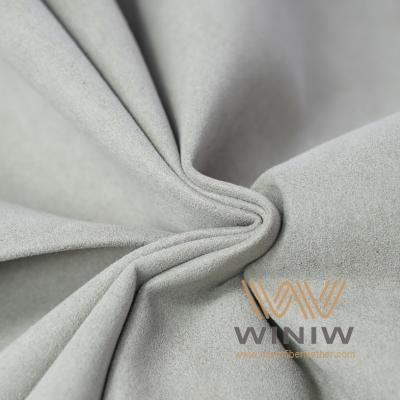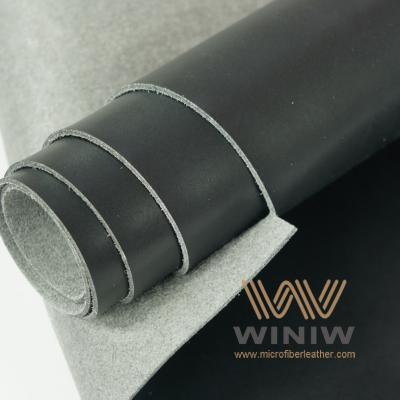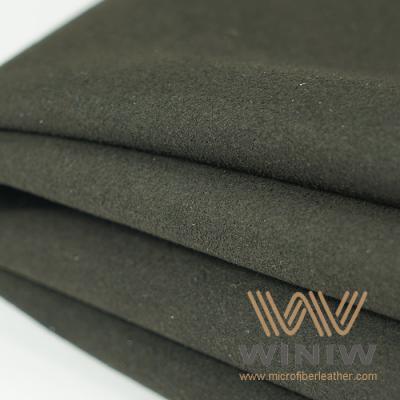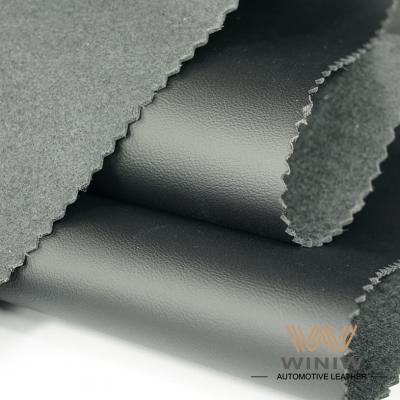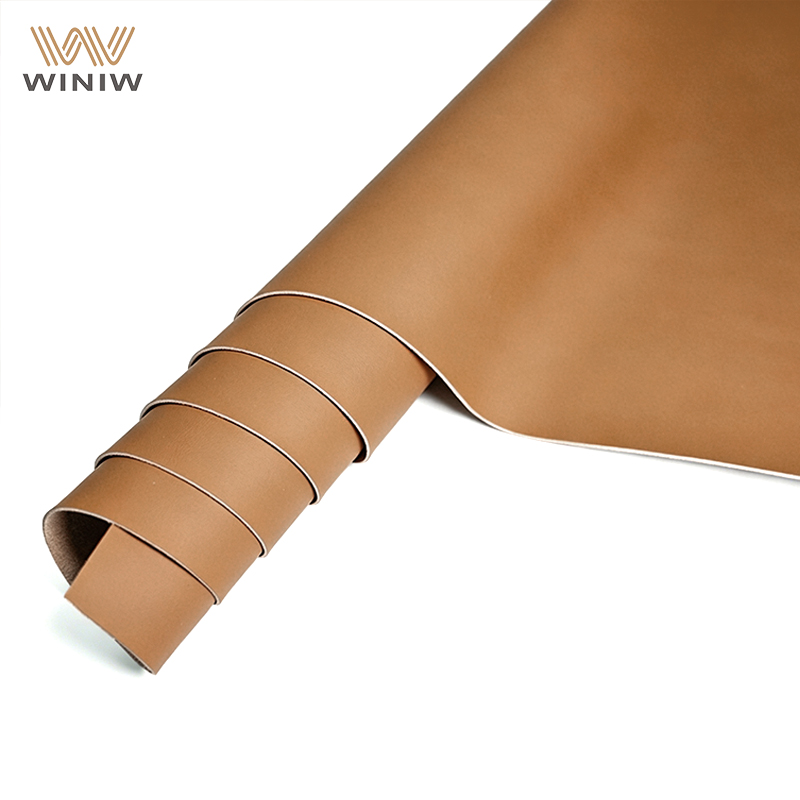
يأتي قماش جلد العجل من عجول صغيرة يقل عمرها عن ستة أشهر. تلاحظ حبيباته الدقيقة ونعومته الاستثنائية. يوفر قماش جلد العجل الفخامة في كل تفصيل. تقدر ملمسه الناعم وجاذبيته الراقية. يساعدك فهم قماش جلد العجل على التعرف على الجودة واتخاذ قرارات مدروسة.
يتميز قماش جلد العجل بمتانته وأناقة مظهره.
يأتي جلد العجل من العجول الصغيرة ويُعرف بنعومته وحبيباته الدقيقة.
يُستخدم جلد العجل في السلع الفاخرة لأنه متين ويمتص الأصباغ جيدًا.
تحافظ العناية المناسبة، مثل التنظيف والتكييف المنتظمين، على مظهر جلد العجل في أفضل حالاته.
تتعامل مع جلد العجل باعتباره مادة فاخرة في صناعة الجلود. يأتي جلد العجل الصغير من عجول صغيرة، عادةً يقل عمرها عن ستة أشهر، رغم أن بعض المصادر تمدد ذلك إلى عجول يقل عمرها عن ثلاث سنوات. تلاحظ أن جلد العجل الصغير يتميز بـ الحبيبات الدقيقة والنعومة والقوة والمرونة. تجد عدة أنواع منه، بما في ذلك جلد العجل الصغير كامل الحبيبات، والمصحح الحبيبات، والشمواه. يوفر جلد العجل الصغير ذو الحبيبات سطحًا ناعمًا ومظهرًا راقيًا. تدرك أن جلد العجل أكثر نعومة من جلد البقر وأكثر مرونة من جلد الحمل. هذا الموقع الفريد في تسلسل أنواع الجلود يجعل جلد العجل الصغير مطلوبًا بشدة للسلع الفاخرة.
يُشتق جلد العجل الصغير من الأبقار الصغيرة، وعادةً يقل عمرها عن سنة واحدة.
يُعد جلد العجل منتجًا ثانويًا من مزارع الألبان، مما يدعم التوريد الأخلاقي.
يؤثر عمر العجل في جودة الجلد. تكون الجلود الأصغر سنًا أرق وأنعم وأكثر قابلية للتشكيل من جلد البقر البالغ.
يمتص جلد العجل الصغير الأصباغ جيدًا، مما يمنحك ألوانًا زاهية وتشطيبًا فاخرًا.
ترى استخدام جلد العجل الصغير في الأحذية عالية الجودة وحقائب اليد والمحافظ والإكسسوارات. تقدر مزيجه من المتانة والأناقة. يوفر جلد العجل الصغير ذو الحبيبات ملمسًا ناعمًا وشعورًا بالليونة والمرونة عند اللمس.
تكتشف أن جلد العجل الصغير أقل وفرة من جلد البقر. تأتي جلود العجل من عجول صغيرة، معظمها يقل عمره عن سنة واحدة. تدرك أن ندرة جلد العجل الصغير تنتج عن محدودية المعروض وعملية الدباغة التي تتطلب جهدًا كبيرًا. يتعامل الحرفيون المهرة مع جلد العجل بعناية للحفاظ على حبيباته الدقيقة وخصائصه الفاخرة. تفهم أن الحصول على جلد العجل الصغير أكثر تكلفة بسبب ندرته وخطوات التكرير الدقيقة.
تقدر جلد العجل الصغير لجودته الفاخرة ومكانته الراقية. تجعل ندرة جلد العجل الصغير منه مادة ثمينة لـ المنتجات.
يتميز جلد العجل الصغير بأنه خفيف الوزن ومتين وفاخر مقارنةً بجلد البقر. عند مقارنة جلد العجل الصغير بجلد الحمل، تلاحظ أن جلد العجل الصغير يقاوم الخدوش بشكل أفضل ويدوم لفترة أطول. ترى أن خصائص جلد العجل الصغير تشمل القوة والملمس المرن وتعدد الاستخدامات.
تجد أن إنتاج جلد العجل يختلف عالميًا. يوضح الجدول التالي كبار المنتجين:
|
الدولة |
الإنتاج (مليون قدم مربع) |
٪ من إجمالي الإنتاج |
|---|---|---|
|
الصين |
5,962 |
24.9٪ |
|
البرازيل |
2,260 |
9.4٪ |
|
روسيا |
1,652 |
6.9٪ |
|
الهند |
1,516 |
6.3٪ |
|
إيطاليا |
1,503 |
6.3٪ |
|
الولايات المتحدة |
719 |
3.0٪ |
|
الأرجنتين |
804 |
3.4٪ |
|
المكسيك |
642 |
2.7٪ |
|
تركيا |
529 |
2.2٪ |
|
جميع الدول الأخرى |
7,245 |
30.2٪ |
تلاحظ أيضًا أن الولايات المتحدة وفرنسا وألمانيا تتصدر قيمة صادرات جلد العجل. ويبرز هذا الطلب العالمي جاذبية الجلد الفاخر والمعايير العالية لجودة جلد العجل.
تتعرف على خصائص جلد العجل من خلالالحبّة الدقيقة واللمسة الناعمة. يتميز جلد العجل بالنعومة والمرونة، مما يعزز الراحة والفخامة. ترى اختلافات دقيقة في الحبّة واللون، مما يجعل كل قطعة فريدة. يبرز جلد حبّة العجل الطبيعي مقارنة بالبدائل الصناعية لجماله وملمسه الطبيعي.
يتميز جلد العجل بحبّة دقيقة تمنحه مظهراً ناعماً وأنيقاً.
تشعر بالملمس الناعم والمرن، مما يضيف لتجربة الفخامة.
يمتص جلد العجل الصبغة بشكل متساوٍ، مما ينتج ألواناً غنية وتشطيباً عالي الجودة.
تلاحظ المتانة ومقاومة الخدوش، مما يجعل جلد العجل مثالياً للسلع الفاخرة.
أنت تقارن جلد العجل بالأنواع الأخرى من الجلود الفاخرة. يوضح الجدول التالي فروق المتانة:
|
نوع الجلد |
مقارنة المتانة |
|---|---|
|
جلد العجل |
|
|
جلد الحمل |
أكثر نعومة لكنه أقل متانة من جلد العجل. |
|
جلد الماعز |
أكثر صلابة من جلد العجل لكنه أقل رقيًا. |
أنت تفهم لماذا يُعد جلد العجل فاخرًا. يجمع جلد العجل بين القوة والنعومة والمظهر الراقي. أنت تقدر جلد العجل لمعاييره عالية الجودة وجاذبيته الفاخرة. تشمل خصائص جلد العجل المرونة والقدرة على التحمل والسطح الناعم. ترى استخدام جلد العجل المحبب في المنتجات الراقية لأنه يوفر الجمال والمتانة معًا.
أنت تقدر جلد العجل لمزيجه الفريد من الفخامة والراحة والجودة الدائمة. عندما تختار جلد العجل، فإنك تستثمر في مواد عالية الجودة ترتقي بأسلوبك وتجربتك.
تبدأ بجلود خام من عجول صغيرة لصناعة جلد العجل. تبدأ العملية باختيار دقيق للمصادر، غالبًا من مزارع الألبان التي تعطي الأولوية لرعاية الحيوانات. تلاحظ أن عمر العجل وصحته يؤثران في جودة الجلد. عندما تسأل كيف يُصنع جلد العجل، تجد أن الرحلة من الجلد الخام إلى الجلد عالي الجودة تتضمن عدة خطوات دقيقة. تتطلب كل مرحلة مهارة حرفية للحفاظ على الحبيبات الدقيقة والنعومة التي تجعل جلد العجل مميزًا.
فيما يلي نظرة عامة خطوة بخطوة حول كيفية صناعة جلد العجل:
|
الخطوة |
الوصف |
|---|---|
|
إعداد المواد الخام |
يتم تخزين الجلود وإزالة الأملاح منها وإعادة ترطيبها قبل إزالة اللحم منها. |
|
الدباغة |
يتم حفظ الجلود باستخدام مواد الدباغة لتحويلها إلى جلد. |
|
إعادة الدباغة |
تُعدّل خصائص الجلد لاستخدامه النهائي. |
|
الصباغة |
تُضاف الألوان إلى الجلد باستخدام أصباغ مختلفة لتحقيق التجانس والدقة. |
|
التشطيب |
يعزز مظهر الجلد ويوفر سطحًا واقيًا. |
|
الفحص النهائي |
تُجرى اختبارات مراقبة الجودة قبل شحن الجلد النهائي. |
تلاحظ أن كل خطوة في إنتاج جلد العجل تهدف إلى الحفاظ على الحبيبات الطبيعية وضمان تشطيب فاخر. تعتمد أنواع جلد العجل المنتجة على طرق الدباغة والتشطيب المستخدمة. تجد أن الجلد الأصلي عالي الجودة ينتج عن فحوصات صارمة للجودة واهتمام بالتفاصيل في كل مرحلة.
نصيحة: غالبًا ما تتبع المدابغ الأوروبية قوانين بيئية صارمة، مما يساعد على تقليل التلوث وتعزيز الاستدامة في إنتاج جلد العجل.
تتعلم أن الدباغة هي المرحلة الأهم في صناعة جلد العجل. تؤثر طريقة الدباغة التي تختارها في ملمس المنتج النهائي ومتانته ومظهره. طريقتا الدباغة الرئيسيتان لجلد العجل هما الدباغة بالكروم والدباغة النباتية.
|
طريقة الدباغة |
الخصائص |
التأثيرات على الجودة |
|---|---|---|
|
الدباغة بالكروم |
توفر النعومة والمرونة |
تقوي السطح وتمنح لمسة نهائية لامعة |
|
الدباغة النباتية |
تستخدم مكونات نباتية المصدر |
تكون عادةً أكثر صلابة ولمسة نهائية أقل لمعانًا |
الدباغة بالكروم سريعة وفعالة من حيث التكلفة. فهي تمنح جلد العجل ملمسًا ناعمًا ومرنًا وسطحًا لامعًا. جلد عجل بوكس، وهو نوع شائع، يستخدم الدباغة بالكروم لمظهره المميز.
تستخدم الدباغة النباتية مستخلصات نباتية طبيعية. وهي تنتج لمسة نهائية أكثر صلابة وغير لامعة، وغالبًا ما تُختار للحرفية التقليدية.
بعد الدباغة، تلاحظ أن جلد العجل يمر بعمليات إعادة الدباغة والصباغة والتشطيب. تعمل هذه الخطوات على تحسين الملمس واللون، مما يجعل الجلد ناعمًا وجذابًا بصريًا. التطورات الحديثة، مثل تقنية التشطيب الكاتيوني، تحسن النعومة والقوة مع تقليل الحاجة إلى الطلاءات الثقيلة. تساعد هذه التقنية في الحفاظ على الجمال الطبيعي لجلد العجل وتعزز أداءه.
يجب عليك أيضًا مراعاة الأثر البيئي للدباغة. تستخدم الدباغة بالكروم مواد كيميائية مثل كبريتات الكروم (III)، والتي يمكن أن تلوث المياه إذا لم تتم إدارتها بشكل صحيح. قد تحتوي مياه الصرف من المدابغ على مواد ضارة، لذلك تستثمر المدابغ المسؤولة في أنظمة المعالجة لحماية البيئة.
ملاحظة: اختيار جلد العجل من مدابغ موثوقة يضمن ممارسات بيئية أفضل وجودة أعلى للمنتج.
تريد التعرف على جلد العجل الحقيقي عند التسوق لشراء المنتجات الجلدية عالية الجودة. يتميز جلد العجل الحقيقي بحبيباته الطبيعية ونعومته ومرونته. يمكنك استخدام المؤشرات البصرية واللمسية لاكتشاف جلد العجل الأصلي.
ابحث عن نمط حبيبات طبيعي مع اختلافات طفيفة ومسام صغيرة متباعدة بشكل متساوٍ.
تحسس الجلد. يكون جلد العجل الحقيقي ناعمًا وأملسًا ومرنًا. يسخن بسرعة في يدك.
تحقق من المرونة. عند الضغط على الجلد أو قرصه، يتمدد قليلًا ويتجعد بشكل طبيعي.
افحص اللون والحبيبات. الاختلافات الطفيفة في الدرجة والملمس طبيعية في جلد العجل الحقيقي، بخلاف المظهر الموحد للمواد الاصطناعية.
يمكنك أيضًا استخدام اختبار القرص. يتجعد جلد العجل الحقيقي بلطف، بينما يعود الجلد المقلد إلى شكله دون ظهور تجاعيد. تساعدك هذه الفحوصات البسيطة على التعرف على جلد العجل الحقيقي وتجنب المنتجات المقلدة.
تحتاج إلى معرفة كيفية العناية بجلد العجل للحفاظ على أفضل مظهر له. يحمي التنظيف المنتظم والترطيب نعومة ولون وعمر منتجات جلد العجل الخاصة بك.
امسح السطح بقطعة قماش ناعمة وجافة لإزالة الغبار.
للتنظيف الأعمق، استخدم منظف جلد لطيفًا مخصصًا لجلد العجل. ضعه بقطعة قماش رطبة بحركات دائرية صغيرة.
أزل أي بقايا بقطعة قماش نظيفة وجافة واترك الجلد يجف في الهواء بعيدًا عن الحرارة أو أشعة الشمس.
رطب الجلد كل 3 إلى 6 أشهر باستخدام مرطب عالي الجودة يحتوي على زيوت طبيعية مثل زيت المنك أو اللانولين.
وزع كمية صغيرة من المرطب بالتساوي واتركها تمتص لمدة 15-20 دقيقة قبل تلميع الفائض.
اختر منتجات متوازنة الأس الهيدروجيني وتجنب المواد الكيميائية القاسية. قد يؤدي الإفراط في الترطيب إلى العفن أو التشقق، لذا استخدم المنتجات باعتدال. في المناخات الجافة أو الحارة، قد تحتاج إلى ترطيب جلد العجل بشكل أكثر تكرارًا. قد يؤدي إهمال العناية إلى الجفاف والبهتان وقصر عمر الجلد.
|
سبب الضرر |
الإجراء الوقائي |
|---|---|
|
القابلية للخدوش |
استخدم بخاخات واقية وخزنه في أكياس غبار |
|
البقع |
التنظيف والترطيب المنتظمان |
|
ضرر الرطوبة |
امتص الرطوبة الزائدة وجفف في الهواء بشكل طبيعي |
|
العوامل البيئية |
خزنه بعيدًا عن أشعة الشمس المباشرة والرطوبة |
نصيحة: احرص دائمًا على تخزين منتجات جلد العجل في مكان بارد وجاف وتجنب أشعة الشمس المباشرة للحفاظ على عمرها الطويل.
قد تتساءل كيف يقارن جلد العجل بأنواع الجلود الأخرى. يُقدَّر جلد العجل لحبيباته الدقيقة ونعومته ومتانته. وهو أغلى من جلد البقر وجلد الماعز بسبب ندرته والحرفية المطلوبة لإنتاجه.
|
نوع الجلد |
المتانة |
السعر |
الاستخدامات الشائعة |
|---|---|---|---|
|
جلد العجل |
عالية |
عالية |
|
|
جلد البقر |
متوسطة |
متوسطة |
المنتجات الجلدية العامة |
|
جلد الحمل |
منخفضة |
عالية |
المنتجات الفاخرة والسلع الناعمة |
|
جلد الماعز |
متوسطة |
متوسطة |
الملابس والإكسسوارات |
يُعد جلد العجل الخيار الأول للحقائب الفاخرة والأحذية والمحافظ والإكسسوارات. إن ملمسه الخفيف ومظهره الراقي يجعلان منه مثاليًا للمنتجات الفاخرة.
جلد البقر أكثر شيوعًا ويُستخدم للسلع اليومية. وهو أكثر صلابة لكنه أقل نعومة من جلد العجل.
جلد الحمل أكثر نعومة من جلد العجل، لكنه أقل متانة. ويُستخدم للمنتجات الفاخرة التي لا تتطلب استخدامًا مكثفًا.
يوفر جلد الماعز متانة متوسطة وغالبًا ما يُستخدم للملابس والإكسسوارات.
ترى أن جلد العجل يتميز بمزيج من الجمال والقوة وطول العمر. إن أنواع جلد العجل المتوفرة، مثل الجلد كامل الحبيبات وجلد العجل الصندوقي والجلد المدبوغ، تمنحك خيارات لأنماط واستخدامات مختلفة. عندما تختار جلد العجل، فإنك تستثمر في جلد أصلي عالي الجودة يعكس الحرفية المتقنة والقيمة الدائمة.
عندما تختار جلد العجل، تستمتع بمزيج من الفخامة والمتانة والأسلوب الخالد الذي لا تستطيع سوى مواد قليلة أخرى منافسته.
تتعرف على جلد العجل لمتانتهومظهره الأنيق وملمسه الناعم.
يتكيف جلد العجل جيدًا في التصنيع، ويمتص الأصباغ للحصول على ألوان زاهية، ويوفر جودة تدوم طويلًا.
ترى أن جلد العجل يهيمن على أزياء الفخامة، مؤثرًا في طلب السوق.
يساعدك فهم عناية جلد العجل وخصائصه على اختيار المنتجات الجلدية الفاخرة للأزياء الراقية.
تلاحظ أن جلد العجل أكثر نعومة ويُظهر حبيبات أدق. وتراه يُستخدم في السلع الفاخرة لأنه يوفر مرونة أكبر وتشطيبًا أكثر نعومة.
تتحقق من وجود نمط حبيبات طبيعي وملمس ناعم. يشعر جلد العجل الحقيقي بالدفء والمرونة.الجلد الصناعيغالبًا ما يبدو موحدًا ويشعر بالصلابة.
أنت تدعم الاستدامة من خلال اختيار جلد العجل من مدابغ ذات سمعة طيبة. كثير منها يستخدم طرق دباغة صديقة للبيئة ويستخرج الجلود كمنتجات ثانوية من صناعة الألبان.
Winiw International Co.,Ltd


المسح الضوئي إلى wechat:




 هاتف : +86 18150976625
 البريد الإلكتروني : Market@MicrofiberLeather.com