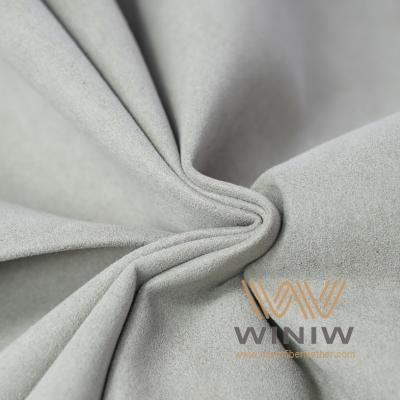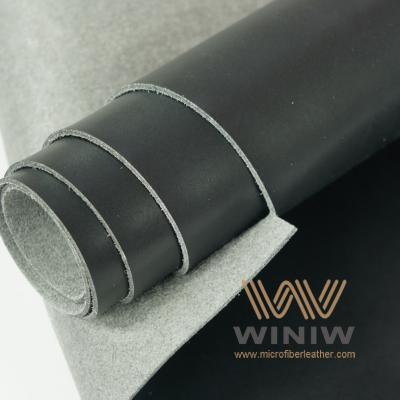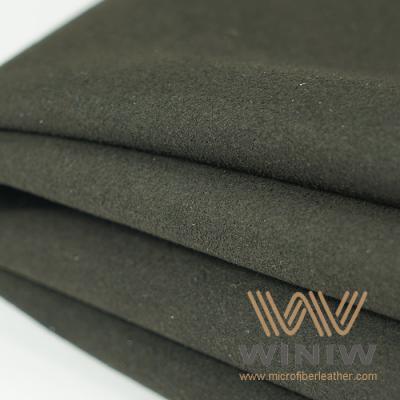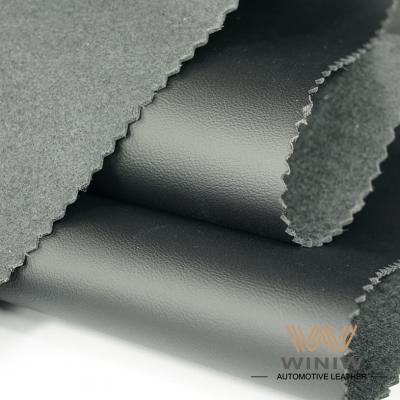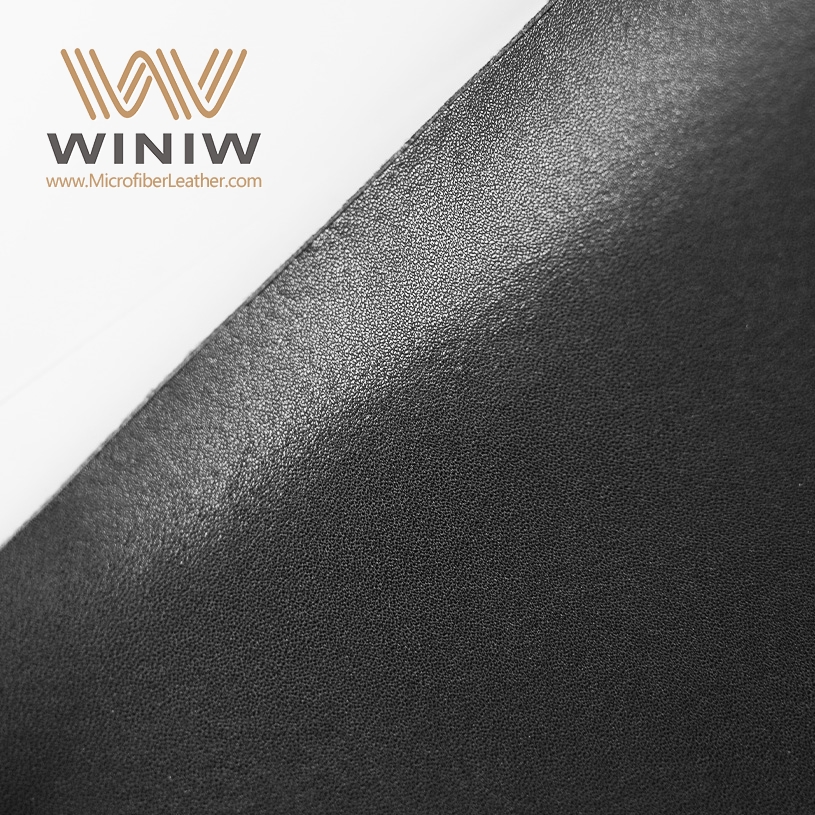
أنت أمام خيار بين جلد نباتي أحذية رياضية وأحذية جلدية تقليدية. يعتمد اختيارك على أولوياتك: الأخلاق، المتانة، أم السعر. لكل خيار مزايا وعيوب. ضع في اعتبارك قيمك وأسلوب حياتك قبل اختيار الحذاء الرياضي الأنسب لاحتياجاتك.
حذاء رياضي من الجلد النباتي نقدم خيارات صديقة للبيئة مصنوعة من مواد نباتية، مما يقلل من التأثير البيئي ويدعم رفاهية الحيوان.
تشتهر الأحذية الرياضية الجلدية التقليدية بمتانتها وأسلوبها الكلاسيكي، وغالبًا ما تدوم لفترة أطول مع العناية المناسبة، مما يجعلها استثمارًا جيدًا من أجل طول العمر.
ضع في اعتبارك قيمك وأسلوب حياتك عند اختيار الأحذية الرياضية؛ أعط الأولوية للاستدامة والأخلاقيات مع الخيارات النباتية أو المتانة والتصميم الخالد مع الجلد التقليدي.
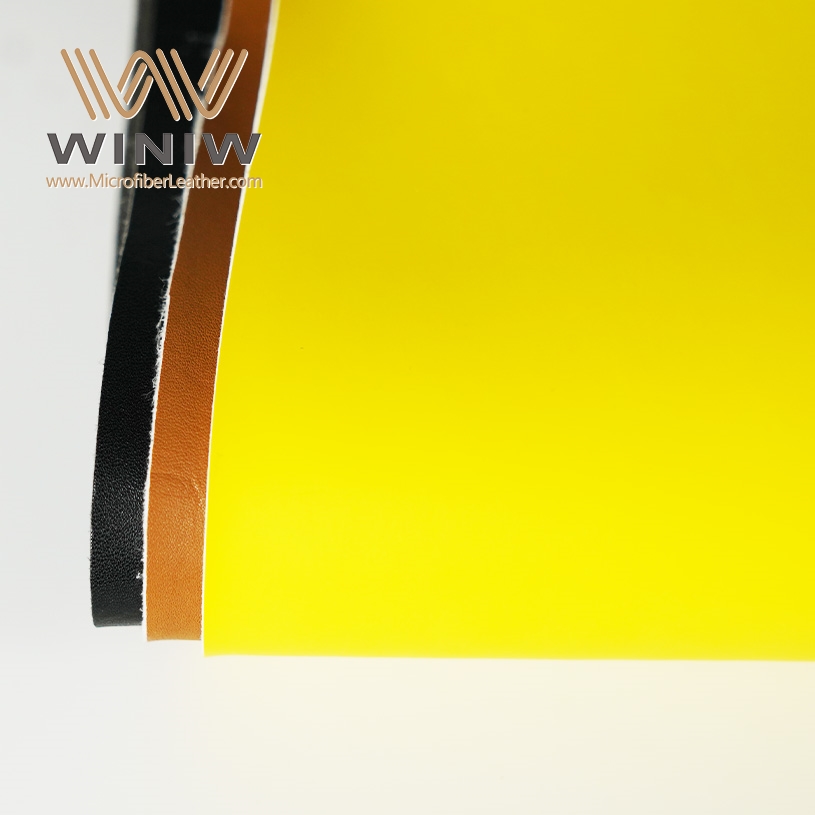
تجد مجموعة واسعة من المواد في الأحذية الرياضية المصنوعة من الجلد النباتي. تستخدم العديد من العلامات التجارية الجلود الصناعية مثل البولي فينيل كلوريد والبولي يوريثان، والتي لا تحتوي على مواد حيوانية منتجات تختار بعض الشركات بدائل طبيعية مثل الفلين وجلد الصبار وجلد التفاح. هذه المواد النباتية تُستخرج من موارد متجددة، وغالبًا ما تستخدم منتجات ثانوية من صناعات أخرى. قد تجد أيضًا البلاستيك المُعاد تدويره والقطن العضوي والقنب في صناعة الأحذية الرياضية النباتية. تُسهم هذه الخيارات في تقليل النفايات وخفض البصمة الكربونية.
جلد صناعي (PVC، PU)
جلد الصبار وجلد التفاح
البلاستيك المعاد تدويره
جلد سويدي نباتي أو مخملي
قطن عضوي
النايلون والبوليستر المعاد تدويرهما
نصيحة: توفر المواد النباتية مثل بيناتكس (جلد الأناناس) وجلد الفطر بدائل خفيفة الوزن ومتينة للمشترين المهتمين بالبيئة.
تُصنع الأحذية الرياضية الجلدية التقليدية من جلود الحيوانات، وخاصة الأبقار. وتحوّل عملية الدباغة هذه الجلود إلى جلد متين. إلا أن هذه العملية غالباً ما تُطلق معادن ثقيلة في المياه وتتطلب كميات كبيرة من الطاقة. كما قد يؤدي إنتاج الجلود إلى إزالة الغابات وانبعاثات غاز الميثان واستهلاك كميات كبيرة من المياه. قد تلاحظ أن الأحذية الرياضية التقليدية تحتوي أحياناً على جلد سويدي، وهو أيضاً مصنوع من جلود الحيوانات.
جلود الحيوانات (وخاصة جلود الأبقار)
جلد سويدي مصنوع من جلد الحيوانات
تؤثر المواد التي تختارها على أداء حذائك الرياضي. إليك مقارنة سريعة:
|
ميزة |
أحذية رياضية نباتية |
حذاء رياضي جلدي |
|---|---|---|
|
متانة |
تضاهي المواد النباتية عالية الجودة جودة الجلد |
تتطور طبقة فريدة بمرور الوقت |
|
مقاومة للماء |
مقاومة للماء من اليوم الأول |
يُعالج غالبًا لمقاومة الماء |
|
التهوية |
الجزء العلوي المصنوع من البولي يوريثان يسمح بمرور الهواء |
تهوية طبيعية |
|
صيانة |
يحافظ على الشكل واللون لفترة أطول |
قد يتشقق أو يجف |
|
وزن |
ولاعة للاستخدام الرياضي |
أثقل |
|
راحة |
راحة فورية |
يتكيف مع شكل قدمك بمرور الوقت |
تتميز العديد من الأحذية الرياضية المصنوعة من الجلد النباتي بمقاومة موثوقة للماء ووزن أخف. أما الأحذية الرياضية الجلدية التقليدية فتتكيف مع شكل قدميك وتكتسب مظهراً فريداً مع مرور الوقت. يعتمد اختيارك على ما إذا كنت تُفضل الراحة الفورية، أو الملاءمة طويلة الأمد، أو المواد الصديقة للبيئة.
عندما تختار جلد نباتي عند اختيار الأحذية الرياضية، يجب مراعاة مدة صلاحيتها. يعتمد عمرها الافتراضي على نوع الجلد النباتي المستخدم. بعض الأحذية الرياضية مصنوعة من مواد أساسها البولي يوريثان، بينما يستخدم البعض الآخر بدائل حيوية مثل جلد الأناناس أو الفطر. يمكنك الاطلاع على متوسط العمر الافتراضي في الجدول أدناه.
|
نوع من الجلد النباتي |
متوسط العمر المتوقع |
|---|---|
|
أساس البولي يوريثان |
من سنة إلى ثلاث سنوات |
|
البدائل القائمة على المواد الحيوية |
من 3 إلى 7 سنوات |
تدوم الأحذية الرياضية المصنوعة من الجلد النباتي المصنوع من البولي يوريثان عادةً ما بين سنة وثلاث سنوات مع الاستخدام المنتظم. أما إذا اخترت أحذية رياضية مصنوعة من مواد حيوية، فقد تدوم حتى سبع سنوات. وتلعب جودة الخامة وطريقة العناية بالأحذية دورًا كبيرًا في طول عمرها.
تُعرف الأحذية الرياضية الجلدية التقليدية بمتانتها وطول عمرها. تصمم العديد من العلامات التجارية هذه الأحذية لتتحمل سنوات من الاستخدام. إليك ما يمكنك توقعه:
يمكن أن تدوم الأحذية الرياضية الجلدية التقليدية ما بين 5 إلى 15 سنة أو أكثر عند العناية بها بشكل صحيح.
إذا حرصت على تنظيف وترطيب حذائك الرياضي بانتظام، فستستمتع به لأكثر من عقد. تساعد الألياف الطبيعية في الجلد على الحفاظ على متانته ومرونته. ومع مرور الوقت، غالباً ما يكتسب الحذاء الرياضي الجلدي التقليدي مظهراً فريداً يُعجب الكثيرين.
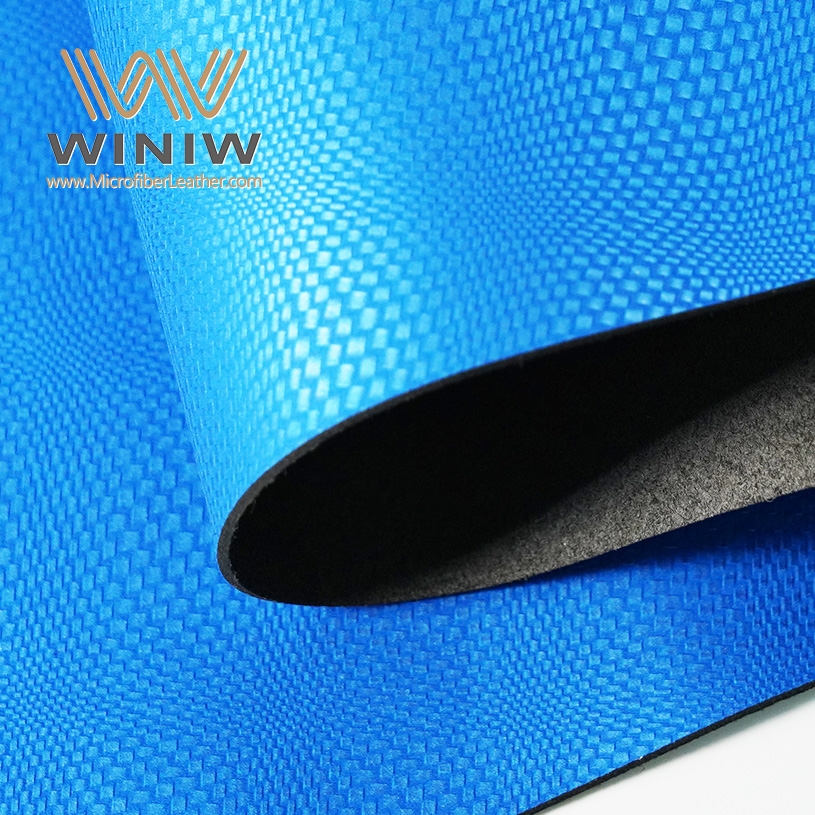
تؤثر عدة عوامل على عمر حذائك الرياضي. عليك الانتباه إلى ما يلي:
تعتمد مقاومة الجلد النباتي على المواد المستخدمة في إنتاجه.
تشتهر الجلود التقليدية عموماً بطول عمرها عند العناية بها بشكل صحيح.
تعتمد متانة الجلد النباتي في كثير من الأحيان على عملية الدباغة.
يمكنك مقارنة متانة كلا النوعين في الجدول أدناه:
|
أنواع الأحذية الرياضية |
المتانة (مع العناية المناسبة) |
|---|---|
|
أحذية رياضية نباتية |
من سنتين إلى خمس سنوات |
|
الجلد التقليدي |
سنتان إلى ثلاث سنوات |
مع ذلك، تُظهر النتائج العملية أن الأحذية الرياضية الجلدية التقليدية غالبًا ما تدوم لفترة أطول من نظيراتها النباتية، خاصةً عند اتباع روتين عناية جيد. بالنسبة للأحذية الرياضية المصنوعة من الجلد النباتي، يجب الانتباه إلى الأسباب الشائعة للتلف:
يمكن أن تؤدي المواد منخفضة الجودة إلى التقشر والتشقق.
قد تؤدي الرطوبة الزائدة إلى إضعاف الطبقات اللاصقة.
قد يؤدي التخزين غير السليم إلى تسريع التلف.
يؤدي الاحتكاك المتكرر والتآكل إلى تلف المناطق المعرضة للتلامس المتكرر.
تؤدي منتجات التنظيف القاسية إلى إتلاف الطبقة الواقية.
إذا كنت ترغب في أن تدوم أحذيتك الرياضية لفترة طويلة، فعليك العناية بها بشكل صحيح. بالنسبة للجلد الطبيعي، يُعد التنظيف المنتظم والترطيب والتخزين السليم أمورًا بالغة الأهمية. يساعد الترطيب على استعادة الرطوبة ومنع التشقق. كما أن اتباع جدول عناية منتظم يساعد على تجنب الأوساخ والتلف الظاهر. أما بالنسبة للجلد النباتي، فيجب تجنب استخدام المواد الكيميائية القاسية وتخزين الأحذية الرياضية في مكان بارد وجاف.
نصيحة: يمكنك إطالة عمر كلا النوعين من الأحذية الرياضية عن طريق تناوب ارتداء الأحذية واستخدام قوالب الأحذية للحفاظ على شكلها.
يمكنك إطالة عمر حذائك الرياضي باختيار مواد عالية الجودة واتباع روتين عناية جيد. يعتمد اختيارك بين الأحذية الرياضية المصنوعة من الجلد النباتي والأحذية الجلدية التقليدية على أولوياتك فيما يتعلق بالمتانة والصيانة والأناقة.
غالباً ما تشعر براحة فورية عند ارتدائك أحذية رياضية من الجلد النباتي تُصمّم العديد من العلامات التجارية هذه الأحذية الرياضية ببطانات ناعمة ونعال مرنة، فلا تحتاج إلى ارتدائها لعدة أيام حتى تتأقلم. تتميز بخفة وزنها، مما يجعلها خيارًا مثاليًا للارتداء اليومي أو المشي لمسافات طويلة. بعض الموديلات مزودة بنعال داخلية مبطنة توفر الدعم لقدميك فور ارتدائها. إذا كنت تبحث عن أحذية رياضية مريحة من أول استخدام، فإن الأحذية الرياضية المصنوعة من الجلد النباتي ستلبي احتياجاتك.
توفر الأحذية الرياضية الجلدية التقليدية تجربة راحة مختلفة. عند ارتدائها لأول مرة، قد تلاحظ أنها ضيقة بعض الشيء. يحتاج الجلد إلى وقت ليتكيف مع شكل قدمك. تساعد فترة التليين التدريجية على جعل الجلد يتكيف مع خطواتك. يُنصح بارتداء الأحذية الرياضية الجلدية الجديدة لفترات قصيرة في البداية. هذه الطريقة تمنع الشعور بعدم الراحة وتحافظ على مظهر الحذاء. استخدام قوالب الأحذية بعد كل استخدام يساعد الأحذية على الحفاظ على شكلها وامتصاص الرطوبة. مع مرور الوقت، يُصبح الجلد مريحًا للغاية، وهو ما يُرضي الكثيرين.
نصيحة: الصبر خلال مرحلة التليين يؤدي إلى ملاءمة مثالية وراحة تدوم طويلاً.
تؤثر التهوية على شعور قدميك طوال اليوم. تتميز الأحذية الرياضية الجلدية التقليدية بمسامات طبيعية تسمح بتدفق الهواء وتسمح لبشرتك بالتنفس. ويبرز الجلد الطبيعي الكامل بتهوية فائقة. أما الجلد النباتي، وخاصة الأنواع المصنوعة من مادة PVC، فيفتقر إلى هذه المسامات الطبيعية. ولا توفر المسامات الاصطناعية في الجلد النباتي نفس تدفق الهواء. ونتيجة لذلك، قد تشعر قدميك بدفء أكبر في الأحذية الرياضية المصنوعة من الجلد النباتي مقارنةً بالأحذية الجلدية التقليدية.
الجلد التقليدي: مسامات طبيعية، تهوية عالية
الجلد النباتي: صناعي، ذو تدفق هواء منخفض
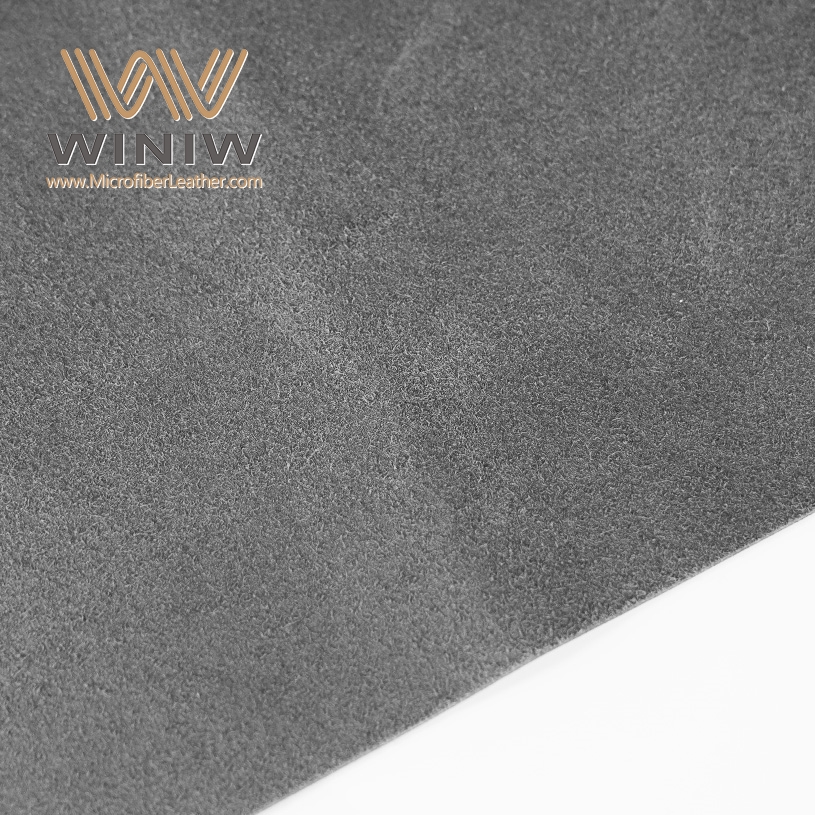
إن اختيارك يمثل خياراً بيئياً هاماً. أحذية رياضية من الجلد النباتي تُصنع معظم الأحذية الرياضية المصنوعة من الجلد النباتي من مواد اصطناعية أو نباتية. تتطلب هذه المواد موارد أقل وتُنتج تلوثًا أقل أثناء التصنيع. على سبيل المثال، يُنتج الجلد النباتي الاصطناعي انبعاثات كربونية أقل بكثير من الجلد الحيواني. يمكنك ملاحظة الفرق في الانبعاثات أدناه:
جلد البقر: 110 كجم من مكافئ ثاني أكسيد الكربون لكل متر مربع
الجلد الصناعي: 15.8 كجم من مكافئ ثاني أكسيد الكربون لكل متر مربع
هذا يعني أن الجلد التقليدي يُحدث أثراً مناخياً أكبر بسبع مرات تقريباً من الجلد النباتي المُصنّع. كما أنك تُساهم في تقليل استهلاك المياه والأراضي عند اختيارك أحذية رياضية مصنوعة من الجلد النباتي. وتعتمد الخيارات النباتية، مثل تلك المصنوعة من الأناناس أو الصبار، على موارد متجددة، وغالباً ما تُعاد تدوير المخلفات الزراعية.
يمكنك البحث عن شهادات الاستدامة للتأكد من أن حذائك الرياضي يفي بالمعايير البيئية العالية. يوضح الجدول أدناه بعض الشهادات الشائعة للأحذية الرياضية المصنوعة من الجلد النباتي:
|
اسم الشهادة |
وصف |
|---|---|
|
نباتي معتمد من منظمة بيتا |
يضمن أن المنتج لا يحتوي على مواد مشتقة من الحيوانات وأنه خالٍ من القسوة. |
|
شهادة جمعية النباتيين |
يضمن أن يكون المنتج نباتياً بالكامل ومصنّعاً دون استغلال الحيوانات. |
|
المعيار العالمي للمنسوجات العضوية (GOTS) |
يشمل ذلك بشكل أساسي المنسوجات العضوية، ويتضمن معايير الاستدامة والإنتاج الأخلاقي. |
|
معيار OEKO-TEX 100 |
يشهد بأن المنسوجات خالية من المواد الضارة، مما يضمن مواد آمنة لصحة الإنسان. |
ملاحظة: أنت تدعم كوكبًا أنظف عندما تختار أحذية رياضية تحمل هذه الشهادات.
يُسبب اختيار الأحذية الرياضية الجلدية التقليدية أثراً بيئياً أكبر بكثير. يعتمد إنتاج الجلود على تربية المواشي، مما يُنتج انبعاثات عالية من غازات الاحتباس الحراري. كما تستهلك هذه العملية كميات كبيرة من الماء والطاقة. وتُطلق مرحلة الدباغة مواد كيميائية، مثل الكروم، في البيئة، ما قد يُلوث مصادر المياه ويُلحق الضرر بالنظم البيئية.
يقارن الجدول أدناه الانبعاثات الناتجة عن الجلد التقليدي والجلد النباتي الصناعي:
|
نوع الجلد |
الانبعاثات (كجم مكافئ ثاني أكسيد الكربون/م²) |
|---|---|
|
الجلد التقليدي |
110 |
|
جلد نباتي صناعي |
7 - 15.8 |
كما تلاحظ، فإن الأحذية الرياضية الجلدية التقليدية تُخلّف بصمة كربونية أعلى بكثير. وتؤدي تربية الماشية أيضاً إلى إزالة الغابات وفقدان التنوع البيولوجي. وقد لا تدرك أن إنتاج زوج واحد من الأحذية الرياضية الجلدية قد يتطلب آلاف اللترات من الماء. هذا الاستهلاك الكبير للموارد يجعل الجلد التقليدي أقل استدامة.
نصيحة: يمكنك تقليل تأثيرك البيئي عند اختيار الأحذية الرياضية المصنوعة من مواد معاد تدويرها أو مواد نباتية.
يمكنك إحداث فرق إيجابي لكوكب الأرض من خلال مراعاة الأثر البيئي لاختياراتك من الأحذية.
قد يهمك تأثير خياراتك على الحيوانات. تثير الأحذية الرياضية الجلدية التقليدية العديد من المخاوف الأخلاقية. تعتمد صناعة الجلود على تربية الحيوانات للحصول على جلودها، ويعيش الكثير منها في ظروف سيئة. تستخدم عملية تحويل الجلود إلى جلد صناعي دباغة الكروم، وهي طريقة تُطلق أملاح الكروم، وهي مواد مسرطنة. تضر هذه المواد الكيميائية بالعمال والبيئة على حد سواء. كما يؤدي إنتاج الجلود إلى إزالة الغابات، وانبعاثات غازات الاحتباس الحراري، وتلوث المياه. تُطلق عملية الدباغة ملوثات خطرة تُلحق الضرر بالنظم البيئية وصحة الإنسان.
تسبب عملية دباغة الكروم التلوث والمخاطر الصحية.
تُعد أملاح الكروم خطرة على العمال والبيئة.
غالباً ما تعيش الحيوانات في ظروف سيئة بالنسبة لجلودها.
تساهم صناعة الجلود في إزالة الغابات وتلوث المياه.
قد ترغب في تجنب دعم هذه الممارسات إذا كنت تُقدّر رفاهية الحيوان.
حذاء رياضي من الجلد النباتي تُقدّم هذه الأحذية الرياضية بديلاً خالياً من القسوة على الحيوانات. فهي لا تحتوي على أي مواد حيوانية، حتى في المواد اللاصقة. وهذا ما يجعلها خياراً مثالياً لمن يرغب في دعم رفاهية الحيوانات. تهدف الجلود الصناعية إلى استبدال الجلود التقليدية وإظهار الاحترام للحيوانات. يختار العديد من المستهلكين الأحذية الرياضية النباتية لأنها تتوافق مع قيمهم الأخلاقية.
إليكم مقارنة سريعة:
|
ميزة |
أحذية رياضية من الجلد النباتي |
أحذية رياضية جلدية تقليدية |
|---|---|---|
|
خالٍ من القسوة |
نعم |
لا |
|
العلاقة بتربية الحيوانات |
لا |
نعم |
|
الاعتبارات الأخلاقية |
عالي |
قليل |
يمكنك إحداث تغيير إيجابي باختيار أحذية رياضية تتوافق مع قيمك. فالأحذية الرياضية المصنوعة من الجلد النباتي تتيح لك دعم رعاية الحيوان وتجنب المشكلات الأخلاقية المرتبطة بالجلد التقليدي.
عليك أن أحذية رياضية نظيفة من الجلد النباتي للحفاظ على مظهرها الجديد، يُنصح باتباع روتين تنظيف مُحدد. ابدأ برجّ مُنظف الجلد النباتي جيدًا. رشّ المُنظف على مساحة صغيرة من مسافة حوالي 15 سم. امسح السطح بمنشفة جافة من الألياف الدقيقة. كرر الرش والمسح حسب الحاجة. أزل أي بقايا من المُنتج بمنشفة نظيفة من الألياف الدقيقة. تُساعدك هذه الطريقة على تجنب ظهور الخطوط والحفاظ على نعومة الجلد.
رجّي منظف الجلد النباتي جيداً.
رش على منطقة صغيرة من مسافة ست بوصات.
امسح بمنشفة جافة من الألياف الدقيقة.
كرر حسب الحاجة.
أزيلي المنتج الزائد بمنشفة نظيفة.
نصيحة: تجنب استخدام المنتجات القاسية مثل المناديل المطهرة، سائل غسل الصحون، الخل، أو صودا الخبز. فهذه المواد قد تُسبب جفاف الجلد النباتي، أو تغير لونه، أو بهتانه.
قد تتسبب المناديل المطهرة في جفاف الجلد النباتي.
قد يؤدي سائل غسل الأطباق إلى إزالة الزيوت وتسبب تغير اللون.
يعمل الخل على تجفيف المادة.
تترك صودا الخبز بقايا طباشيرية.
يجب اتباع روتين مختلف للعناية بالأحذية الرياضية الجلدية التقليدية. يحتاج الجلد إلى ترطيب منتظم ليظل ناعمًا ويمنع تشققه. استخدم مرطبًا متوازن الحموضة كل بضعة أشهر. أما الجلد النباتي، فيفتقر إلى الزيوت الطبيعية، لذا فهو يحتاج إلى طبقات واقية. تجنب غسل الأحذية الرياضية المصنوعة من الجلد النباتي في الغسالة لأن ذلك قد يتسبب في انفصال طبقات الجلد.
|
نوع الجلد |
روتين الصيانة |
|---|---|
|
الجلد التقليدي |
استخدمي بلسم الشعر المتوازن الحموضة بشكل دوري لمنع الجفاف والتشقق. |
|
جلد نباتي |
استخدم طبقات واقية؛ تجنب الغسيل الآلي لمنع انفصال الطبقات. |
ملاحظة: العناية المناسبة تطيل عمر حذائك الرياضي وتحافظ على راحته.
تلاحظ ذلك أحذية رياضية من الجلد النباتي غالبًا ما تكون الأحذية الرياضية النباتية أقل تكلفة من الأحذية الجلدية التقليدية. تستخدم العلامات التجارية موادًا صناعية أو بدائل نباتية، مما يقلل من تكاليف الإنتاج. تتراوح أسعار الأحذية الرياضية النباتية بين ١٢٠٠ و٨٠٠٠ روبية هندية. يعتمد السعر على جودة المواد وسمعة العلامة التجارية. عادةً ما يكون جلد الفطر وجلد الصبار أغلى ثمنًا نظرًا لمتطلبات تصنيع متقدمة. تكون الخيارات الصناعية الأساسية أرخص، لكن الأحذية الرياضية النباتية الفاخرة قد تُضاهي سعر الأحذية الجلدية التقليدية.
نصيحة: إذا كنت ترغب في الحصول على أحذية رياضية بأسعار معقولة، فابحث عن العلامات التجارية التي تستخدم البلاستيك المعاد تدويره أو مواد البولي يوريثين القياسية.
عادةً ما تكون الأحذية الرياضية الجلدية التقليدية أغلى ثمناً، حيث تتراوح أسعارها بين 3200 و15000 روبية هندية. ويعود ارتفاع السعر إلى تكلفة جلود الحيوانات وعملية الدباغة المعقدة. وتفرض العلامات التجارية أسعاراً أعلى للأحذية الرياضية المصنوعة من الجلد الطبيعي أو الشامواه، حيث تدفع مبلغاً إضافياً مقابل الحرفية والمتانة. وتقدم العديد من العلامات التجارية الفاخرة أحذية رياضية جلدية تقليدية ضمن الفئة السعرية الأعلى.
|
أنواع الأحذية الرياضية |
نطاق السعر |
|---|---|
|
أحذية رياضية نباتية |
١٢٠٠ - ٨٠٠٠ روبية هندية |
|
أحذية رياضية جلدية تقليدية |
3200 - 15000 روبية هندية |
عند اختيار الأحذية الرياضية، لا يقتصر الأمر على السعر فقط. فجودة المواد المستخدمة تؤثر على عمر الحذاء. وقد ساهمت التطورات في صناعة الجلود النباتية، مثل المواد المشتقة من الفطر، في جعل الأحذية الرياضية النباتية أقوى وأكثر جاذبية. كما تدفع قوانين الاستدامة العلامات التجارية إلى استخدام مواد صديقة للبيئة، مما يزيد من قيمتها لدى المستهلكين المهتمين بالبيئة. إلا أن ارتفاع تكاليف إنتاج الجلود النباتية يحد من قدرتها التنافسية في الأسواق الجماهيرية. ويشكك بعض المستهلكين في متانة الجلود النباتية، خاصةً عند استخدامها في الأنشطة الشاقة.
|
عامل |
وصف |
|---|---|
|
جودة المواد |
تتنافس أنواع الجلود النباتية الجديدة مع الجلود التقليدية من حيث القوة والملمس. |
|
الاستدامة |
تعتمد العلامات التجارية المواد النباتية لتلبية المعايير الصديقة للبيئة. |
|
تكاليف الإنتاج |
تساهم المواد الخام الغريبة والعمليات المعقدة في رفع أسعار الأحذية الرياضية النباتية. |
|
تصورات المستهلكين |
يشكك بعض المشترين في متانة وأداء الجلد النباتي. |
ملاحظة: ستحصل على قيمة أفضل عندما تُطابق أولوياتك مع خصائص الحذاء الرياضي. إذا كنت تبحث عن المتانة، فقد يوفر لك الجلد التقليدي خيارًا أفضل. أما إذا كنت تُقدّر الاستدامة، فإن الأحذية الرياضية المصنوعة من الجلد النباتي هي الخيار الأمثل.
ترى مجموعة واسعة من خيارات التصميم عند التسوق لشراء الأحذية الرياضية، ستجد أن الأحذية المصنوعة من الجلد النباتي غالبًا ما تتميز بألوان جريئة وتصاميم مبتكرة. تُجري العلامات التجارية تجارب على مواد نباتية، مُبتكرةً لمسات نهائية فريدة مثل الأسطح غير اللامعة أو اللامعة أو المزخرفة. ستجد أحذية رياضية مصنوعة من جلد الصبار أو الأناناس أو التفاح، تتميز بمظهرها الطبيعي. تقدم العديد من العلامات التجارية النباتية تصاميم بسيطة، ونعالًا سميكة، أو تصاميم مستوحاة من الطراز القديم. يمكنك الاختيار من بين الأحذية ذات الرقبة العالية، والمنخفضة، والسهلة الارتداء، أو الأحذية الرياضية.
تتميز الأحذية الرياضية الجلدية التقليدية عادةً بتصاميم كلاسيكية. ستلاحظ اللمسات النهائية الناعمة، والألوان الغنية، والقصات الخالدة. تستخدم العديد من العلامات التجارية الجلد الطبيعي أو جلد الشامواه لابتكار تصاميم أنيقة. ستجد خيارات مثل تفاصيل البروغ، والثقوب، أو الشعارات المنقوشة. غالبًا ما تجذب الأحذية الرياضية الجلدية التقليدية أولئك الذين يفضلون المظهر الراقي أو الكلاسيكي.
نصيحة: إذا كنت ترغب في التعبير عن شخصيتك، فإن الأحذية الرياضية المصنوعة من الجلد النباتي تمنحك خيارات إبداعية أكثر. أما الأحذية الرياضية المصنوعة من الجلد التقليدي فهي تناسبك إذا كنت تفضل أسلوبًا أنيقًا وبسيطًا.
تلاحظ تغيرات في صيحات موضة الأحذية الرياضية. تكتسب الأحذية الرياضية المصنوعة من الجلد النباتي شعبية متزايدة مع ازدياد إقبال المستهلكين المهتمين بالبيئة على المنتجات المستدامة. يروج العديد من المؤثرين والمشاهير للعلامات التجارية النباتية، مما يجعلها رائجة. كما تشهد الساحة تعاونات بين المصممين والعلامات التجارية النباتية لإطلاق مجموعات محدودة الإصدار. وتسيطر الألوان الزاهية والرسومات الجريئة والتصاميم المستقبلية على عالم الأحذية الرياضية النباتية.
لا تزال الأحذية الرياضية الجلدية التقليدية تحظى بشعبية كبيرة بفضل جاذبيتها الكلاسيكية. ستلاحظ استمرار الطلب على التصاميم القديمة والألوان المحايدة. تُطلق العلامات التجارية الفاخرة مجموعات جديدة كل موسم، مما يُحافظ على مكانة الأحذية الرياضية الجلدية التقليدية. ستجد أن كلا النوعين من الأحذية الرياضية يتكيفان مع أحدث الصيحات، لكن الجلد النباتي غالبًا ما يتفوق في الابتكار والاستدامة.
|
نوع الحذاء الرياضي |
التركيز على الاتجاهات |
الميزات الشائعة |
|---|---|---|
|
جلد نباتي |
الاستدامة، بجرأة |
ألوان وقوام فريدة |
|
الجلد التقليدي |
كلاسيكي، عتيق |
أشكال خالدة، أناقة |
ملاحظة: يمكنكِ اتباع أحدث الصيحات أو اختيار تصاميم كلاسيكية خالدة. كلا النوعين من الأحذية الرياضية يوفران خيارات أنيقة تناسب جميع الأذواق.
ينبغي أن يتناسب اختيارك للأحذية الرياضية مع قيمك. يوضح الجدول أدناه العوامل الرئيسية:
|
عامل |
أحذية رياضية من الجلد النباتي |
أحذية رياضية جلدية تقليدية |
|---|---|---|
|
الأثر البيئي |
أدنى |
أعلى |
|
متانة |
مماثل |
عالي |
|
سعر |
أدنى |
أعلى |
|
صيانة |
أسهل |
هناك حاجة إلى مزيد من الرعاية |
|
أخلاق مهنية |
صديق للحيوانات |
يثير القلق |
|
أسلوب |
حديث |
كلاسيكي |
اختر الأحذية الرياضية النباتية من أجل الاستدامة، ورعاية الحيوانات، وسهولة العناية بها.
اختر الجلد التقليدي لضمان المتانة والأناقة الخالدة.
ضع هذه النقاط في اعتبارك قبل الشراء.

تحصل على مقاومة للماء مع معظمها أحذية رياضية من الجلد النباتي المواد الاصطناعية تطرد الرطوبة، ولكن يجب تجنب نقعها لفترات طويلة.
لا يُنصح باستخدام مُلمّع الجلد التقليدي على الجلد النباتي. يجب تنظيفه بقطعة قماش مبللة ثم رشه برذاذ واقٍ لإضفاء اللمعان.
ستلاحظ انخفاضاً في الرائحة مع الأحذية الرياضية المصنوعة من الجلد النباتي. فالمواد الاصطناعية لا تمتص العرق مثل الجلد الطبيعي، لذا تبقى أحذيتك منتعشة لفترة أطول.
Winiw International Co.,Ltd


المسح الضوئي إلى wechat:




 هاتف : +86 18150976625
 البريد الإلكتروني : Market@MicrofiberLeather.com