


 هاتف : +86 18150976625
 البريد الإلكتروني : Market@MicrofiberLeather.com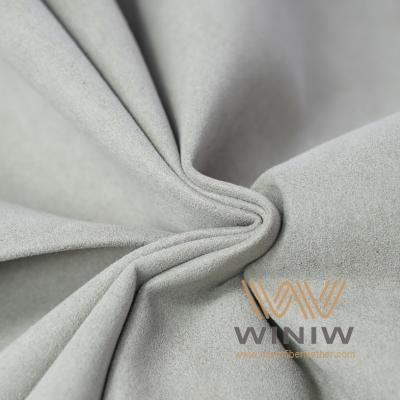
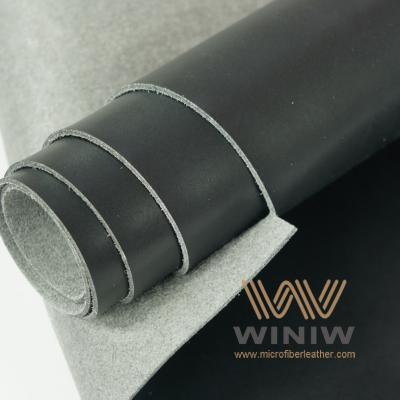
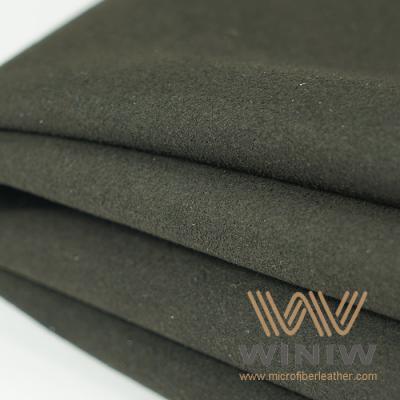
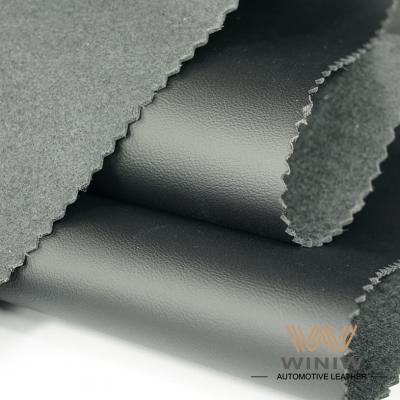
تصادف أقمشة الجلد الصناعي كثيرًا في الحياة اليومية. ويسميه الناس الجلد الصناعي أو الجلد النباتي. يستخدم المصنعون PU وPVC والألياف الدقيقة أو السيليكون لإنشائه، مما يعني عدم استخدام الحيوانات. وتكلف أقمشة الجلد الصناعي أقل من الجلد الحقيقي وتجذب الكثيرين لأسباب أخلاقية.
|
السنة |
حجم سوق الجلد الصناعي (بالدولار الأمريكي) |
حجم السوق المتوقع (بالدولار الأمريكي) |
معدل النمو السنوي المركب (%) |
|---|---|---|---|
|
2025 |
86.22 مليار |
7.0 |
|
|
2035 |
49.10 مليار |
103.91 مليار |
7.78 |
فهم أقمشة الجلد الصناعي واستخداماتها اليومية
-
الجلد الصناعي، المعروف أيضًا باسم الجلد الزائف أو الجلد النباتي، هو بديل مصنوع صناعيًا للجلد الحقيقي، ويُصنع من مواد مثل PU وPVC.
-
يدعم اختيار الجلد الصناعي القيم الأخلاقية من خلال تجنب المنتجات الحيوانية وغالبًا ما يكون أقل تكلفة من الجلد الأصلي.
-
الجلد الصناعي متعدد الاستخدامات ويُستخدم في الأزياء والأثاث وتطبيقات السيارات، ويوفر المتانة وسهولة الصيانة.
ما هو قماش الجلد الصناعي؟
التعريف والأسماء البديلة
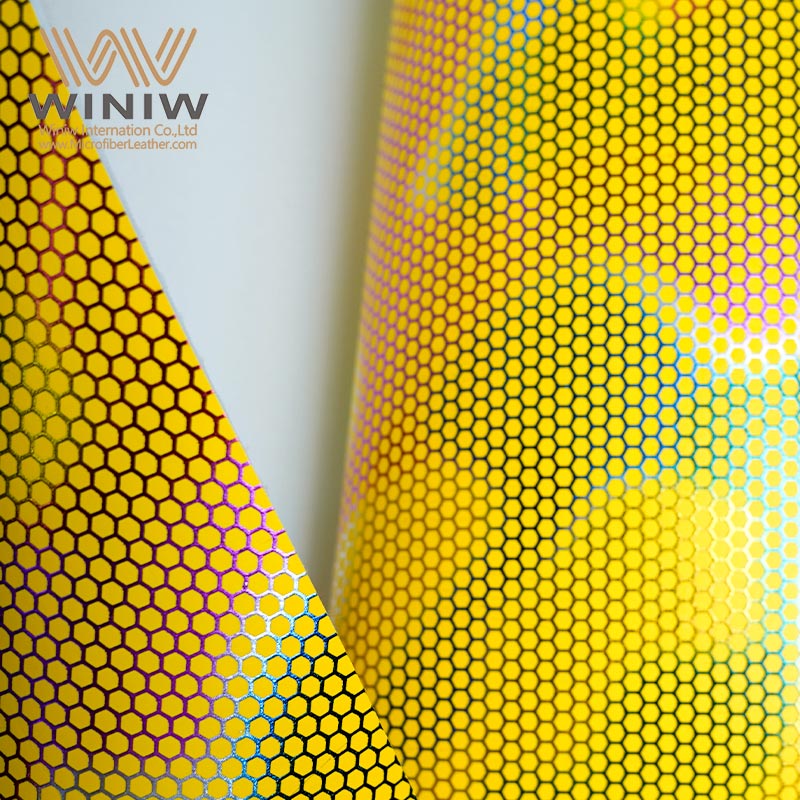
قد تلاحظ الجلد الصناعي في العديد من المنتجات التي تستخدمها يوميًا. هذه المادة بديل مصنوع صناعيًا لجلد الحيوانات. يصنعه المصنعون عن طريق طلاء قاعدة قماشية، مثل البوليستر أو القطن، بطبقة من البلاستيك. وأكثر أنواع البلاستيك استخدامًا هي البولي يوريثان (PU) والبولي فينيل كلوريد (PVC). تمنح هذه الطلاءات الجلد الصناعي مظهرًا وملمسًا ناعمًا يشبه الجلد.
يحمل قماش الجلد الصناعي العديد من الأسماء في الصناعة. قد ترى هذه المصطلحات مستخدمة بالتبادل:
-
الجلد الزائف
-
بليذر
-
الجلد النباتي
-
نوغاهيد
-
الجلد الصناعي
-
الجلد الاصطناعي
-
الجلد المقلد
-
الجلد البديل
-
الجلد الصناعي الرقيق
-
الجلد المقلد
كل اسم يبرز جانبًا مختلفًا من المادة، لكن جميعها تشير إلى نفس المفهوم الأساسي: بديل للجلد يُصنع دون استخدام منتجات حيوانية. تشمل الخصائص الأساسية لنسيج الجلد الصناعي مقاومة الماء، وملمسًا موحدًا، ومجموعة واسعة من الألوان والتشطيبات المتاحة. غالبًا ما يضيف المصنعون أصباغًا وملدنات ومستقرات لتعزيز المتانة والمظهر. يعتمد معظم نسيج الجلد الصناعي على مكونات مشتقة من البترول، مثل راتنج PU وطبقة داعمة من البوليستر.
الجلد الصناعي مقابل الجلد الطبيعي
عند مقارنة الجلد الصناعي بالجلد الطبيعي، ستلاحظ عدة اختلافات مهمة. تؤثر هذه الاختلافات على مظهر كل مادة، وإحساسها، وأدائها.
|
الخاصية |
الجلد الطبيعي |
|
|---|---|---|
|
قابلية التنفس |
قابلية عالية للتنفس بسبب بنية الكولاجين المسامية. يسمح بمرور بخار الماء، مما يعزز الراحة. |
غير مسامي وغير قابل للتنفس. يحبس الرطوبة والحرارة. |
|
امتصاص الرطوبة |
ممتص للرطوبة؛ سيمتص كميات صغيرة من الماء. قطرة ماء ستتشرب ببطء. |
مقاوم إلى حد كبير للماء. سيتجمع الماء على السطح ويتدحرج. |
|
الاستجابة الحرارية |
يتفحم عند درجات حرارة عالية (>200°C) ويصدر رائحة مشابهة لشعر محترق بسبب محتواه من البروتين. |
يذوب وغالبًا يحترق بسرعة، مطلقًا رائحة كيميائية قوية وحادة من البلاستيك المحترق. |
|
المتانة والشيخوخة |
متانة عالية جدًا. يطور طبقة باتينا طبيعية مع مرور الوقت، مما يعزز جاذبيته الجمالية. مقاوم للتمزق والثقب. |
أقل متانة. عرضة للتشقق والتقشر والانفصال بمرور الوقت، خاصة عند التعرض للأشعة فوق البنفسجية. لا يطور طبقة باتينا. |
|
المرونة والملمس |
ناعم ومرن وقابل للانحناء مع ملمس طبيعي غير متساوٍ قليلاً. يتجعد تحت الضغط، تمامًا مثل الجلد. |
يمكن أن يكون ملمسه صلبًا ويشبه البلاستيك، رغم أن PU الحديث يمكن أن يكون ناعمًا جدًا. له ملمس أملس وموحد. ينضغط تحت الضغط لكنه يحتفظ بشكله. |
|
الرائحة |
يمتلك رائحة غنية ومميزة ترابية، وهي سمة مميزة للجلد المدبوغ. |
له رائحة بلاستيكية أو كيميائية واضحة، نتيجة للبوليمرات والملدنات المستخدمة في تصنيعه. |
ستلاحظ أيضًا فرقًا في التكلفة. عادةً ما يكون الجلد الصناعي أقل تكلفة من الجلد الطبيعي. على سبيل المثال:
|
نوع الجلد |
التكلفة لكل قدم مربع |
|---|---|
|
الجلد الصناعي |
|
|
الجلد الطبيعي |
2 - 5 دولارات |
|
الجلد الكامل الحبيبات |
5 - 12 دولارًا |
يوفر نسيج الجلد الصناعي خيارًا اقتصاديًا للعديد من المنتجات. يمكنك العثور عليه في الملابس، والأثاث، وداخل السيارات. الجلد الطبيعي، خاصة الكامل الحبيبات، أغلى بسبب أصله الطبيعي وطول عمره الافتراضي.
تلعب الاعتبارات الأخلاقية والبيئية أيضًا دورًا في اختيارك. يتطلب إنتاج الجلد الطبيعي تربية الحيوانات والدرس، والتي تستخدم كميات كبيرة من الماء والمواد الكيميائية. تسهم تربية الماشية لإنتاج الجلد بحوالي 15% من انبعاثات الغازات الدفيئة العالمية. يمكن أن يلوث عملية الدباغة مصادر المياه ويضر بالنظم البيئية. يتجنب الجلد الصناعي استخدام الحيوانات، مما يجذب العديد من المستهلكين. ومع ذلك، يعتمد على المواد البترولية وقد يكون له عمر افتراضي أقصر. يمكن أن تدوم منتجات الجلد الطبيعي من 10 إلى 20 سنة أو أكثر، بينما غالبًا ما تدوم منتجات الجلد المزيف من 3 إلى 5 سنوات.
نصيحة: عند الاختيار بين الجلد الصناعي والجلد الطبيعي، ضع في اعتبارك أولوياتك. إذا كنت تقدر المنتجات الخالية من الحيوانات والتكلفة المنخفضة، فقد يناسبك نسيج الجلد الصناعي. إذا كنت تريد أقصى متانة ومظهرًا طبيعيًا، فقد يكون الجلد الطبيعي الخيار الأفضل.
ستواجه أيضًا أنواعًا مختلفة من الجلد الصناعي، مثل PU وPVC والميكروفايبر وخيارات قائمة على السيليكون. لكل نوع خصائص واستخدامات فريدة، والتي ستتعلم عنها في القسم التالي.
كيف يُصنع الجلد الصناعي وأنواع أقمشة الجلد الصناعي الزائف
نظرة عامة على عملية التصنيع
يمكنك فهم نسيج الجلد الصناعي بشكل أفضل عندما تعرف كيفية إنتاجه من قِبل المصنّعين. تبدأ العملية بمادة أساسية، عادةً القطن أو البوليستر. يحصل المصنّعون على هذه المنسوجات من منشآت متخصصة. ثم ينشئون الطبقة البلاستيكية، إما البولي يوريثان (PU) أو البولي فينيل كلوريد (PVC)، عن طريق مزج المواد الكيميائية لتكوين البوليمر المطلوب.
ترى عملية التصنيع تتكشف في أربع خطوات رئيسية:
-
الحصول على المادة الأساسية: يختار المصنّعون القطن أو البوليستر كأساس.
-
تكوين البلاستيك: يجمعون المواد الكيميائية لإنتاج PU أو PVC.
-
ربط المواد: يذوب البلاستيك ويرتبط بقاعدة النسيج، مكوّناً صفيحة مرنة.
-
قصّ القماش وتجهيزه: يقطع العمال المادة النهائية إلى أشكال للملابس أو الأثاث أو الأجزاء الداخلية للسيارات.
ملاحظة: أدى التحول نحو التقنيات القائمة على الماء والخالية من المذيبات إلى جعل إنتاج الجلد الصناعي أكثر صداقة للبيئة. تعمل تقنية النانو الآن على تحسين نفاذية الرطوبة ومقاومة التآكل، مما ينتج أقمشة عالية الأداء.
تلاحظ أن إنتاج الجلد الصناعي يستخدم ماءً أقل من الجلد الحقيقي. يتطلب الجلد الحقيقي حوالي 240 لترًا لكل متر مربع، بينما يستخدم الجلد الصناعي كمية أقل. ومع ذلك، ينبعث من الجلد الصناعي مركبات عضوية متطايرة (VOCs) ويساهم في تلوث الجسيمات البلاستيكية الدقيقة. يستخدم إنتاج الجلد الحقيقي مواد كيميائية يمكن أن تلوث مصادر المياه. يدوم الجلد الصناعي من 3 إلى 5 سنوات، بينما يمكن أن يدوم الجلد الحقيقي من 10 إلى 20 سنة. يعني هذا العمر الأقصر أن منتجات الجلد الصناعي قد ينتهي بها المطاف في مدافن النفايات بشكل أسرع.
|
نوع الجلد |
استخدام المياه (لترات لكل متر مربع) |
متوسط انبعاثات CO2 (كجم لكل متر مربع) |
|---|---|---|
|
الجلد الحقيقي |
240 |
17.0 |
|
الجلد الصناعي |
أقل من الجلد الحقيقي |
15.8 |
كما ترى معايير تنظيمية توجه إنتاج الجلد الصناعي. تقيد لائحة EU REACH المواد الكيميائية الضارة، وتساعد إرشادات EPA على تقليل انبعاثات VOCs.
|
المعيار التنظيمي |
الوصف |
|---|---|
|
لائحة EU REACH |
تقيّد استخدام المواد الكيميائية الضارة في الإنتاج |
|
إرشادات EPA |
تقدم إرشادات لتقليل انبعاثات VOCs |
للجلد الصناعي المصنوع من PVC وPU خيارات محدودة لإعادة التدوير. ينتهي المطاف بمعظم المنتجات في مدافن النفايات، حيث تبقى لمئات السنين. يتحلل الجلد الحقيقي خلال 10 إلى 12 شهراً في ظل التسميد الصناعي. يمكن للجلد الصناعي إطلاق جسيمات بلاستيكية دقيقة ومواد كيميائية سامة أثناء تحلله.
أنواع الجلد الصناعي (PU وPVC والألياف الدقيقة والسيليكون)
تواجه عدة أنواع من الجلد الصناعي، ولكل منها خصائص واستخدامات فريدة. يختار المصنّعون النوع بناءً على متطلبات المنتج.
|
نوع الجلد الصناعي |
الخصائص المحددة |
السمات الرئيسية |
التأثير البيئي |
|
|---|---|---|---|---|
|
PU (البولي يوريثان) |
طلاء من البولي يوريثان على قاعدة قماشية (غالبًا من البوليستر) |
لمسة نهائية أنيقة ولامعة؛ مظهر واقعي يشبه الجلد؛ تنوع في الألوان والأنسجة؛ صديق للحيوانات |
عناصر الموضة مثل السترات وحقائب اليد والأحذية |
أكثر صداقة للبيئة من PVC؛ خالٍ من المنتجات الحيوانية |
|
PVC (كلوريد البولي فينيل) |
طلاء من كلوريد البولي فينيل على قاعدة نسيجية (قطن أو بوليستر) |
لامع، متين، سهل التنظيف؛ عرضة للتشقق والتقشر بمرور الوقت |
الأثاث، الأجزاء الداخلية للسيارات، المنتجات المصنوعة من الجلد الصناعي |
مخاوف بيئية كبيرة؛ غير قابل للتحلل الحيوي؛ إطلاق الديوكسينات السامة |
|
الألياف الدقيقة |
ألياف صناعية فائقة الدقة مرتبطة بقاعدة |
ناعم، خفيف الوزن، قابل للتنفس؛ متانة عالية؛ يحاكي ملمس الجلد الطبيعي |
عناصر الموضة الفاخرة، التنجيد، الأجزاء الداخلية للسيارات |
تأثير بيئي أقل من PVC؛ خالٍ من المنتجات الحيوانية |
|
الجلد الصناعي القائم على السيليكون |
طلاء من السيليكون على قاعدة قماشية |
مقاومة عالية للأشعة فوق البنفسجية والرطوبة ودرجات الحرارة؛ متين؛ مقاوم للماء والبقع؛ صيانة محدودة |
الأجزاء الداخلية للسيارات، المنزلالأثاث، الأحذية، الإلكترونيات الاستهلاكية، المعدات الطبية |
صديق للبيئة؛ تأثير بيئي أقل؛ خالٍ من المواد الكيميائية السامة والمنتجات الحيوانية |
ترى جلد PU غالبًا في حقائب اليد والملابس والأحذية وأعمال التنجيد. جلد PVCيظهر في أغطية مقاعد السيارات وحقائب اليد والتغليف والأثاث. جلد الألياف الدقيقةشائع في الأزياء الفاخرة والتنجيد والأجزاء الداخلية للسيارات. جلد السيليكونمناسب للأجزاء الداخلية للسيارات، وأثاث المنزل، والأحذية، والإلكترونيات الاستهلاكية، والمعدات الطبية.
|
نوع الجلد الصناعي |
الاستخدامات الشائعة |
|---|---|
|
جلد PU |
حقائب اليد، الملابس، الأحذية، التنجيد (الأرائك، مقاعد السيارات) |
|
جلد PVC |
أغطية مقاعد السيارات، حقائب اليد، التغليف، تنجيد الأثاث |
|
جلد الألياف الدقيقة |
عناصر الموضة الفاخرة، التنجيد، الأجزاء الداخلية للسيارات |
|
جلد السيليكون |
الأجزاء الداخلية للسيارات، أثاث المنزل، الأحذية، الإلكترونيات الاستهلاكية، المعدات الطبية |
نصيحة: إذا كنت تريد مادة تقاوم البقع والأشعة فوق البنفسجية، فإن الجلد الصناعي القائم على السيليكون يقدم أفضل أداء. بالنسبة لعناصر الموضة، يوفر جلد PU وجلْد الألياف الدقيقة مظهرًا وملمسًا واقعيين.
تلاحظ أن التطورات التكنولوجية تواصل تشكيل الصناعة.طرق الإنتاج الصديقة للبيئةوتعمل تقنية النانو على تحسين جودة واستدامة الجلد الصناعي. يزداد الطلب في السوق على الخيارات الصديقة للبيئة بسرعة، مع توقعات تشير إلى إمكانية ارتفاعه إلى أكثر من 1.5 مليار متر مربع خلال السنوات الخمس المقبلة.
ينبغي أن تراعي التأثير البيئي عند اختيار الجلد الصناعي. توفر خيارات PU والألياف الدقيقة استدامة أفضل من PVC. يتميز الجلد الصناعي القائم على السيليكون بأقل تأثير بيئي وغياب المواد الكيميائية السامة.
استخدامات الجلد الصناعي وإيجابياته وسلبياته
مزايا الجلد الصناعي
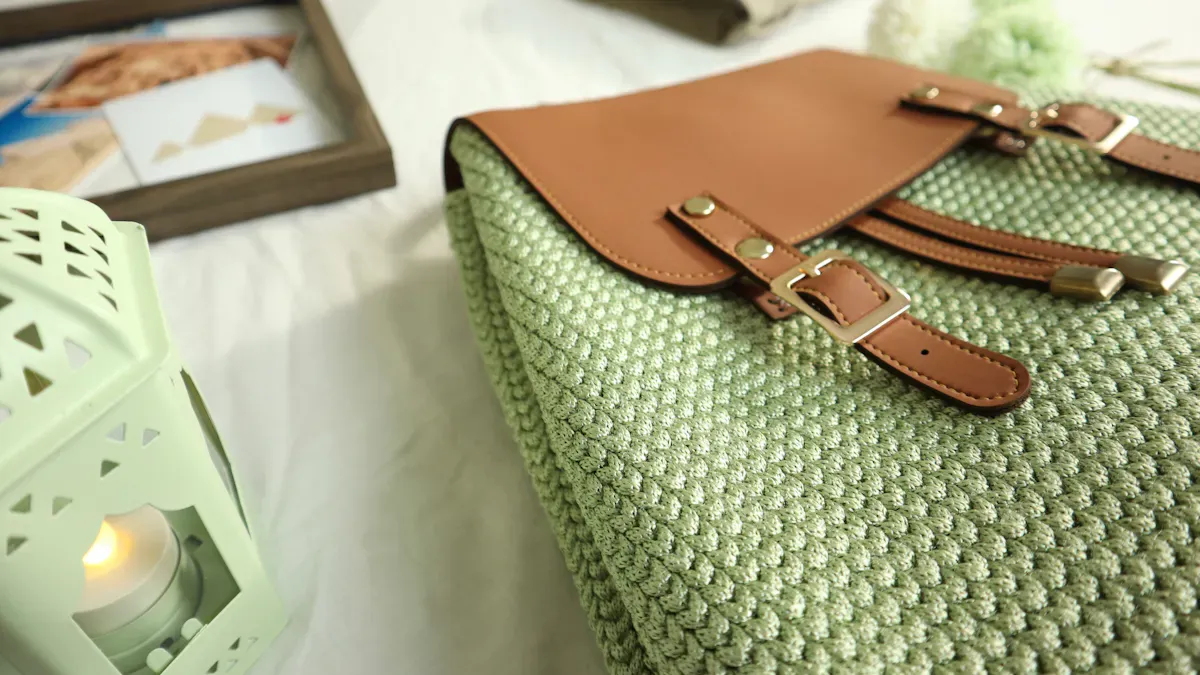
ستجد أن منتجات الجلد الصناعي توفر العديد من المزايا مقارنة بالمواد التقليدية. قماش الجلد الصناعي يقاوم التشقق والبهتان والتآكل العام، لذلك تحافظ أغراضك على مظهرها لفترة أطول. التنظيف بسيط؛ تحتاج فقط إلى قطعة قماش مبللة لمسح الأوساخ أو البقع. يجعل ذلك قماش الجلد الصناعي خيارًا عمليًا لأنماط الحياة المزدحمة. تشمل مزايا الجلد الصناعي أيضًا الفعالية من حيث التكلفة. يستفيد المصنعون والمستهلكون على حد سواء من الأسعار المنخفضة مقارنة بالجلد الطبيعي. يستخدم إنتاج قماش الجلد الصناعي كمية أقل من الماء والموارد، مما يدعم أهداف الاستدامة. يختار العديد من الأشخاص الجلد النباتي أو الجلد الصديق للبيئة لأسباب أخلاقية، لأن هذه المواد لا تتضمن منتجات حيوانية. تتيح مرونة الجلد الصناعي مجموعة واسعة من الألوان والأنسجة، مما يجعله بديلاً مستدامًا للعديد من الاستخدامات.
|
الميزة |
الجلد الطبيعي |
الجلد الصناعي |
|---|---|---|
|
التركيب |
منتج ثانوي لصناعة اللحوم |
مصنوع من مكونات صناعية (PU، PVC، إلخ.) |
|
الملمس |
حبيبات طبيعية، وقد يحتوي على عيوب |
سطح موحد أو مطاطي أو لامع |
|
الرائحة |
رائحة جلدية مميزة |
رائحة باردة تشبه البلاستيك |
|
المتانة |
أكثر متانة |
يحترق بسهولة وينكمش مع الحرارة |
|
التأثير البيئي |
مادة متجددة ومعاد تدويرها |
غالبًا أقل صداقة للبيئة |
تتطلب منتجات الجلد الصناعي كمية أقل من الماءلإنتاجها مقارنة بالجلد الطبيعي، مما يدعم الاستدامة ويقلل التأثير البيئي.
عيوب الجلد الصناعي
على الرغم من المزايا العديدة، فإن قماش الجلد الصناعي له بعض العيوب. قد تلاحظ أن الجلد الصناعي أقل قابلية للتنفسمن الجلد الطبيعي. قد يسبب ذلك عدم الراحة، خاصة في الظروف الحارة أو الرطبة. لا يتكيف الجلد الصناعي مع جسمك بنفس جودة الجلد الطبيعي، مما يؤثر على الراحة. بمرور الوقت، قد تظهر على منتجات الجلد الصناعي علامات تآكل مثل التشقق أو التقشر. يتراوح العمر الافتراضي المعتاد لقماش الجلد الصناعي بين 2-3 سنوات، بينما يمكن أن يدوم الجلد الطبيعي كامل الحبيبات لعقود.
-
الجلد الصناعي أقل قابلية للتنفس، مما يحبس الحرارة والرطوبة.
-
قد لا يكون الجلد الصناعي ناعمًا أو مرنًا مثل الجلد الطبيعي.
-
يمكن أن تتطور روائح في منتجات الجلد المقلد بسبب الرطوبة المحتبسة.
|
الميزة |
جلد صناعي صناعي |
جلد حقيقي كامل الحبيبات |
|---|---|---|
|
العمر الافتراضي |
عمر افتراضي نموذجي يتراوح بين سنتين و3 سنوات |
عقود مع العناية المناسبة |
|
عملية التقدم في العمر |
يحافظ على المظهر الأصلي، ثم يتدهور |
يطور طبقة زنجار غنية، ويصبح أكثر جمالًا |
|
المتانة |
تآكل ملحوظ بعد 18-24 شهرًا |
يتحسن مع مرور الوقت |
الاستخدامات اليومية في الموضة
ترى أقمشة الجلد الصناعي في كل مكان في عالم الموضة. تحظى الحقائب والمحافظ والأحزمة والسترات المصنوعة من منتجات الجلد الصناعي بشعبية، خاصة بين الشباب في المدن. يدفع الطلب على البدائل النباتية والمستدامة هذا الاتجاه.العلامات التجارية الرائدة مثل Stella McCartney وGucciتستخدم الآن الجلد النباتي والجلد الصديق للبيئة في مجموعاتها. تشمل تطبيقات الجلد الصناعي في الموضة الأحذية والتنانير وحتى القبعات. يتيح جلد PU الصناعي والجلد الصناعي المرن للمصممين ابتكار أنماط مبتكرة على المستويين الاقتصادي والفاخِر.
إن انتشار أقمشة الجلد الصناعي في الموضةيعكس تحولًا نحو الخيارات الخالية من القسوة والمستدامة.
تطبيقات الأثاث والتنجيد
يُعد قماش الجلد الصناعي خيارًا رئيسيًا للأثاث والتنجيد. تستفيد من متانته وتكلفته المنخفضة وسهولة صيانته. تقاوم الأرائك والكراسي وألواح رؤوس الأسرّة المصنوعة من الجلد الصديق للبيئة والجلد الصناعي البقع والبهتان، مما يجعلها مثالية للمنازل المزدحمة. يوفر قماش الجلد الصناعي مجموعة واسعة من الملمس والألوان، بحيث يمكنك تنسيقه مع أي ديكور. تدعم قابلية تكيف منتجات الجلد الصناعي الاستدامة وتجذب المستهلكين الذين يريدون بديلًا مستدامًا للمواد الحيوانية.
تطبيقات السيارات والإكسسوارات
تلعب منتجات الجلد الصناعي دورًا رئيسيًا في التصميمات الداخلية للسيارات. تجد أقمشة الجلد الصناعي في مقاعد السيارات وألواح الأبواب ولوحات القيادة. توفر هذه التطبيقات المتانة وسهولة التنظيف والمظهر الأنيق. يسمح الجلد الصناعي بالتخصيص في اللون والملمس، وهو ما لا يمكن للجلد الحقيقي مطابقته. تستخدم الإكسسوارات مثل أغطية الهواتف والمعدات الرياضية وأغلفة الأجهزة الإلكترونية أيضًا الجلد المقلد والجلد الصديق للبيئة لخصائصهما الخفيفة والعازلة.
-
تنجيد المقاعد: يوفر قماش الجلد الصناعي سطحًا متينًا وأنيقًا لمقاعد السيارات.
-
التشطيبات الداخلية: تستخدم ألواح الأبواب ولوحات القيادة الجلد الصناعي للحصول على تصميم متناسق.
-
خيارات مخصصة: يمكنك الاختيار من بين العديد من الألوان والأنسجة للحصول على مظهر شخصي.
توفر منتجات الجلد الصناعي في السيارات والإكسسوارات بديلًا مستدامًا للمواد التقليدية، مما يدعم كلًا من الأسلوب والاستدامة.
أنت الآن تفهم تعريف الجلد الصناعي، وكيف يختلف عن الجلد الحقيقي، واستخداماته الرئيسية. يستمر السوق في النمو، كما هو موضح أدناه:
|
المصدر |
معدل النمو |
الفترة |
|---|---|---|
|
Future Market Insights |
2025-2035 |
|
|
IMARC Group |
3.28% |
2026-2034 |
|
Precedence Research |
7.78% |
2026-2035 |
|
Markets and Markets |
5.33% |
2024-2029 |
يختار الكثير من الأشخاص الجلد الصناعي لأسباب أخلاقية:
-
أنت تدعم رفاهية الحيوانات وقيم النباتيين.
-
تتجنب المنتجات الحيوانية مع الاستمتاع بسلع أنيقة.
يتزايد اهتمام المستهلكين بالاستدامة باستمرار، خاصة بين المشترين الأصغر سنًا. إن البصمة الكربونية للجلد الصناعي أقل من الجلد الحقيقي:
|
المادة |
البصمة الكربونية (كجم من مكافئ ثاني أكسيد الكربون/م²) |
|---|---|
|
جلد بقري |
110.0 |
|
الجلد الحقيقي (بعد المعالجة) |
17.0 |
|
الجلد الصناعي |
15.8 |
تلعب دورًا في تشكيل مستقبل أكثر أخلاقية واستدامة من خلال التعرف على هذه المواد.
الأسئلة الشائعة
ما أفضل طريقة لتنظيف الجلد الصناعي؟
ينبغي عليك مسح السطح بقطعة قماش مبللة. بالنسبة للبقع الصعبة، استخدم صابونًا خفيفًا وماءً. تجنب المواد الكيميائية القاسية لمنع التلف.
هل يمكنك إعادة تدوير منتجات الجلد الصناعي؟
لا تقبل معظم مراكز إعادة التدوير الجلد الصناعي. يمكنك محاولة إعادة استخدام العناصر القديمة أو التبرع بها إذا كانت لا تزال بحالة جيدة.
هل يتشقق الجلد الصناعي أو يتقشر بسهولة؟
يمكن أن يتشقق الجلد الصناعي أو يتقشر بمرور الوقت، خاصة مع الاستخدام المكثف أو التعرض لأشعة الشمس. يمكنك إطالة عمره من خلال الحفاظ على نظافته ومعالجته بالعناية المناسبة.