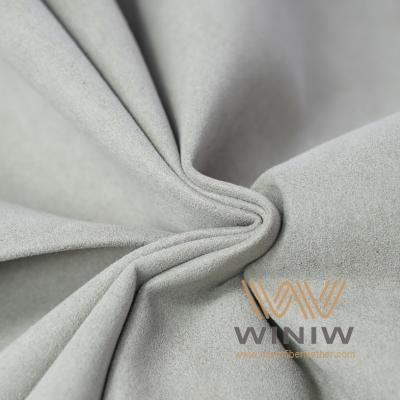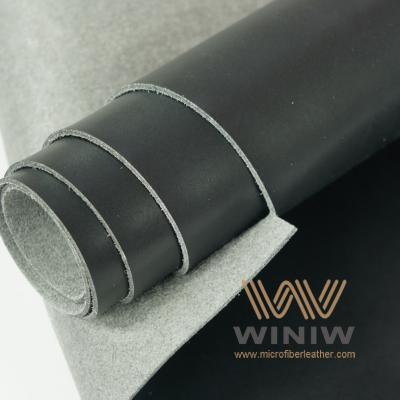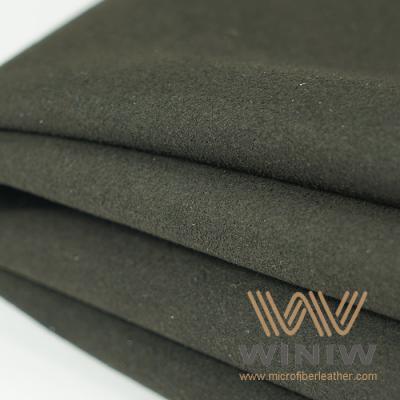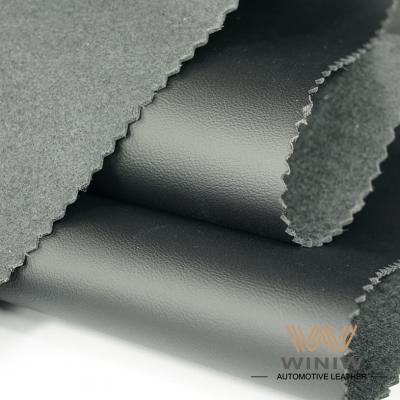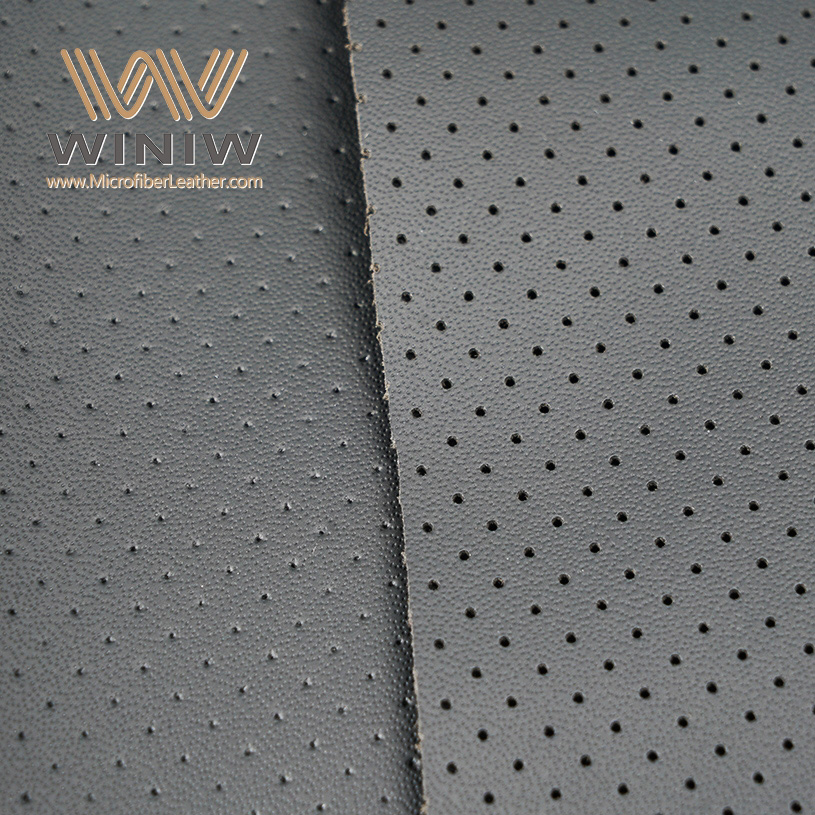
تجد قماش الألتراسيد المستخدم في صناعة السيارات في العديد من التصميمات الداخلية الحديثة. يغطي هذا القماش الصناعي المقاعد والألواح ولوحات القيادة. وتختار كبرى شركات السيارات الألتراسيد لملمسه الناعم ومتانته ومظهره الأنيق. استمتع بتجربة فاخرة دون استخدام أي مواد حيوانية. منتجات يُقدّر العديد من مالكي السيارات الراحة وسهولة الصيانة التي توفرها.
يوفر جلد السيارات فائق النعومة ملمساً فاخراً ومتانة عالية، مما يجعله خياراً شائعاً لتصميمات السيارات الداخلية.
هذا نسيج صناعي يسهل تنظيفها وصيانتها، مما يساعد سيارتك على الظهور بمظهر جديد وأنيق مع مرور الوقت.
إن اختيار جلد الغزال الصناعي المصنوع من مواد نباتية يدعم الممارسات الصديقة للبيئة، ويقلل من بصمتك الكربونية مع التمتع براحة فائقة.
جلد السيارات فائق النعومة هو نسيج صناعي فائق النعومة من الألياف الدقيقة صُممت هذه المادة خصيصًا للاستخدام في تنجيد السيارات. تجدها في المقاعد، ولوحات القيادة، وغيرها من مناطق التنجيد. يختار المصنّعون قماش الألتراسيد لأنه يمنح شعورًا فاخرًا وملمسًا أنيقًا دون الاعتماد على المنتجات الحيوانية. استمتع بالراحة والأناقة في مقصورات السيارات الفاخرة، واستفد من بديل خالٍ من القسوة على الحيوانات للجلد التقليدي.
يتميز قماش ألتراسيد بتركيبته الفريدة وخصائصه الفيزيائية المميزة. فهو مزيج من البوليستر والبولي يوريثان، مما يُنتج سطحًا ناعمًا ومتينًا في الوقت نفسه. يوضح الجدول أدناه المكونات الرئيسية الموجودة في قماش ألتراسيد المستخدم في صناعة السيارات:
|
عنصر |
نسبة مئوية |
|---|---|
|
بوليستر |
80% |
|
البولي يوريثان |
20% |
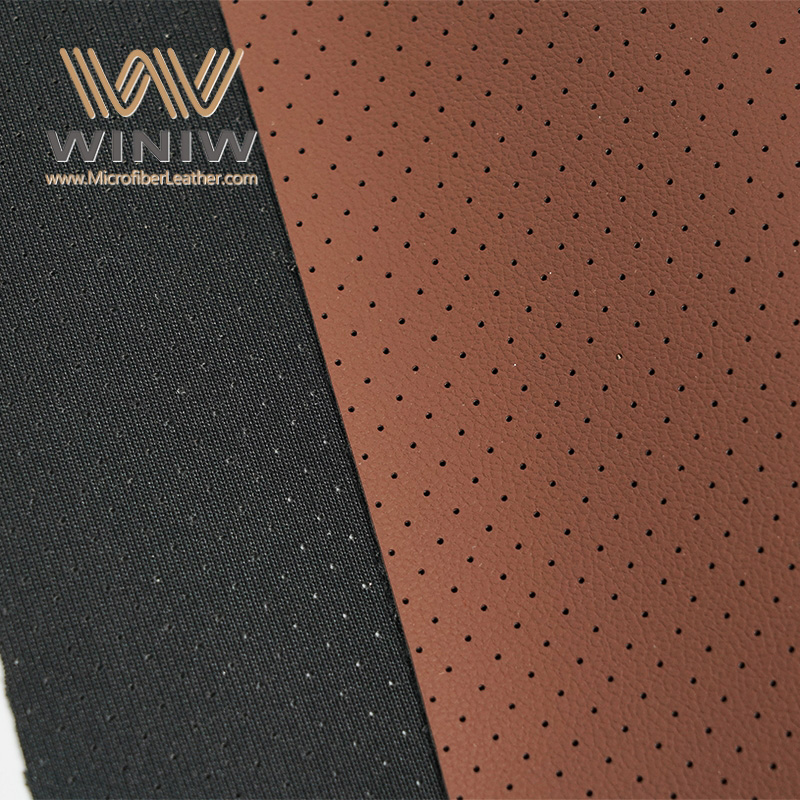
تستخدم بعض الأنواع مزيجًا من البولي أميد والبولي يوريثان:
|
عنصر |
نسبة مئوية |
|---|---|
|
البولي يوريثان |
50% |
|
بولي أميد |
50% |
ستلاحظ أن قماش الألتراسيد مصنوع من ألياف دقيقة للغاية. تمنحك هذه البنية ملمسًا ناعمًا يشبه الجلد المدبوغ، مما يوفر شعورًا بالراحة ومظهرًا أنيقًا. هذا القماش صديق للبيئة، ويُعد خيارًا مثاليًا لتصميمات السيارات الداخلية، فهو خالٍ من القسوة على الحيوانات.
يتميز قماش ألتراسيد بالعديد من الخصائص الفيزيائية التي تجعله مثالياً للاستخدام في صناعة السيارات:
|
ملكية |
وصف |
|---|---|
|
سماكة |
حوالي 0.7 مم |
|
وزن |
حوالي 230 جم/م² (6.8 أونصة/ياردة مربعة) |
|
عرض |
يبلغ طول اللفائف القياسية 58 بوصة (1480 مم). |
|
قوة التمزق |
≥ 7 نيوتن |
|
قوة الشد |
≥ 150 نيوتن |
|
مقاومة التكوّر |
الصف الرابع بعد 10 ساعات من الاختبار |
|
معايير القابلية للاشتعال |
يفي بمعايير قابلية اشتعال السيارات |
|
قابلية الانعكاس |
متطابقة تقريبًا من الجانبين |
ستستفيد من متانة قماش الألتراسيد، الذي يتجاوز 200,000 دورة احتكاك مزدوجة في اختبارات التآكل. يقاوم هذا القماش البقع، مما يجعله سهل التنظيف والصيانة. كما ستستمتع بنسيج مريح، على الرغم من أنه أقل تهوية من الألياف الطبيعية.

يُلبي قماش الألتراسيد معايير صارمة لمقاومة اللهب، مما يُعزز سلامة سيارتك. يُوضح الجدول أدناه شهادات اعتماد أنواع مختلفة من الألتراسيد المستخدمة في تنجيد السيارات:
|
نوع القماش |
تفاصيل الشهادة |
|---|---|
|
ألتراسويد® إتش بي فحم |
ASTM E84 (ملتصق) - الفئة ACA 133، BCA Bulletin-117-الفئة 1، UFAC - الفئة 1 |
|
ألتراسويد® إتش بي ستون |
ASTM E84 (ملتصق) - الفئة ACA 133، BCA Bulletin-117-الفئة 1، UFAC - الفئة 1 |
|
UNISUEDE |
نشرة CA 117 الفئة الأولى، UFAC الفئة الأولى، FMVSS 302، FAA/FAR 25.853 |
ستحصل على راحة البال بمعرفة أن قماش الألتراسيد يفي بمعايير قابلية اشتعال السيارات، مما يجعله خيارًا آمنًا للتنجيد والتصميم الداخلي.
يشهد قطاع صناعة السيارات ابتكارات ملحوظة مع إدخال قماش الألتراسيد النباتي. تحتوي المنتجات الحالية على حوالي 30% من المواد النباتية، بينما تهدف الأنواع الجديدة إلى الوصول إلى نسبة 64%. على سبيل المثال، تستخدم لكزس RZ قماش الألتراسيد النباتي بنسبة 30%، في حين تحتوي مقصورة نيو الداخلية على حوالي 20%.
تُساهم خيارات الجلد المدبوغ فائق النعومة المصنوع من مواد نباتية في تقليل الاعتماد على موارد البترول. باختيارك مواد تنجيد داخلية مصنوعة من مصادر نباتية متجددة، مثل دبس قصب السكر، فإنك تدعم الاستدامة. هذا التحول يُحافظ على موارد النفط ويُعالج مخاوف الإمداد. كما ستلاحظ ملمسًا أكثر نعومة وفخامة في تنجيد سيارتك، مما يُعزز الراحة والأناقة.
يتماشى استخدام جلد الغزال الصناعي النباتي مع الممارسات الصديقة للبيئة، مما يساهم في تحسين الأثر البيئي لمنتجات السيارات. ومن الابتكارات الحديثة التزام شركة توراي للصناعات بزيادة المحتوى النباتي، وحافلة APURE ذاتية القيادة، التي تُبرز استخدام المواد المستدامة في وسائل النقل العام وتصميمات السيارات الداخلية.
ملاحظة: إن اختيار نسيج ألتراسيد النباتي يدعم القيم الصديقة للبيئة ويساعد في إنشاء سيارات فاخرة ذات تأثير بيئي منخفض.
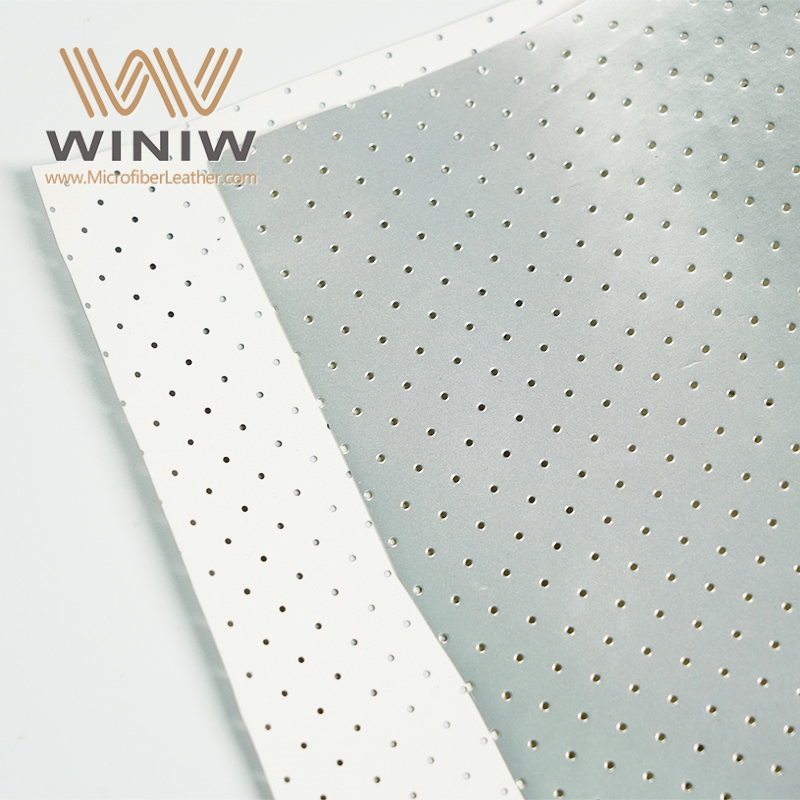
يُضفي قماش ألتراسيد مزايا عديدة على التصميم الداخلي للسيارات، إذ يمنحك إحساسًا بالفخامة ومظهرًا جذابًا. كما يمنع معامل الاحتكاك العالي الانزلاق، وهو أمر بالغ الأهمية أثناء القيادة الرياضية. بالإضافة إلى ذلك، يتميز هذا القماش بمقاومته للاشتعال، مما يُعزز مستوى الأمان.
ستستفيد من متانة قماش الألتراسيد وسهولة تنظيفه. فهو مقاوم للبقع والروائح، مما يحافظ على سيارتك منتعشة ومريحة، حتى عند السفر مع الحيوانات الأليفة أو القيادة في مناخات مختلفة. ستجد أن الألتراسيد يساعد في الحفاظ على مظهر سيارتك نظيفًا وجديدًا، رغم الاستخدام اليومي.
يُقارن نسيج ألتراسيد بشكل إيجابي مع الجلد التقليدي في تطبيقات السيارات:
|
ميزة |
ألتراسويد |
الجلد التقليدي |
|---|---|---|
|
متانة |
قوي ومناسب للاستخدام اليومي |
يختلف، وقد يتلف مع مرور الوقت |
|
صيانة |
سهل التنظيف ومقاوم للبقع |
يتطلب تهيئة منتظمة |
|
طلب |
تُستخدم عادةً في التصميمات الداخلية للسيارات |
أثقل وزناً وأقل تنوعاً |
ستحصل على مادة فاخرة خفيفة الوزن ومتعددة الاستخدامات، ومناسبة لتصميمات السيارات الفاخرة. وتُعدّ تكلفة جلد السيارات الفاخر مماثلة لتكلفة الجلد الطبيعي وغيره من المواد الفاخرة، مما يجعله في متناول السيارات الفاخرة.
يعتقد بعض مالكي السيارات أن قماش الألتراسيد صعب التنظيف وعرضة للبقع. في الواقع، ستجده سهل الصيانة، ومقاومته للبقع تحافظ على مظهر داخلي سيارتك رائعًا. ستستمتع بملمس فاخر وشعور بالفخامة، مع دعمك في الوقت نفسه للممارسات الصديقة للبيئة والمستدامة في صناعة السيارات.
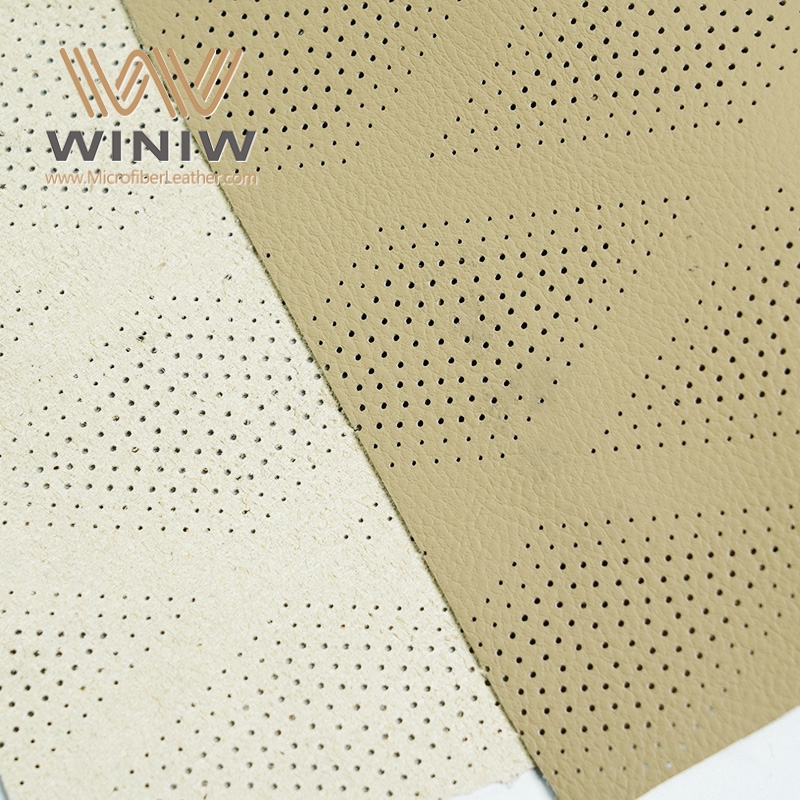
هل ترى جلد صناعي فائق النعومة تُستخدم هذه المادة في العديد من جوانب المركبات الحديثة، حيث تُحسّن مظهر ووظائف التصميم الداخلي وتنجيد المقاعد. تشمل الاستخدامات الشائعة ما يلي:
أسطح الجلوس
لوحات المعلومات
ألواح الأبواب
أبرز الشخصيات
أعمدة
واقيات الشمس
ستلاحظ أن قماش الألتراسيد يضفي لمسة فاخرة على التصميمات الداخلية للسيارات الراقية. فهو يتميز بملمس ناعم ومظهر أنيق، مما يجعله خيارًا مفضلًا لتصميمات السيارات الداخلية. يختار العديد من السائقين الألتراسيد لسهولة تنظيفه وحفاظه على مظهر التنجيد جديدًا.
قد تتساءل عن كيفية مقارنة جلد الألتراسيد بالمواد الشائعة الأخرى مثل ألكانتارا وديناميكا. يوضح الجدول أدناه الاختلافات الرئيسية في المظهر والسماكة والسعر:
|
مادة |
خصائص المظهر |
السماكة (مم) |
مقارنة الأسعار |
|---|---|---|---|
|
ألكانتارا |
مظهر مرقّط، لون غني |
0.83 - 1.0 |
أغلى ثمناً |
|
ألتراسويد |
لون غني ومتناسق |
غير متوفر |
غير متوفر |
|
ديناميكا |
أكثر سمكًا، وأقل تكلفة، وقابلة للتهوية، ومتينة |
0.9 - 1.1 |
أقل تكلفة |
ستجد أن ألكانتارا تتميز بمتانتها الفائقة، خاصةً على الأسطح المعرضة للاستخدام المكثف. تدّعي ديناميكا أنها تتمتع بتهوية ومتانة أفضل، لكن البيانات الموثقة في هذا الشأن محدودة. أما ألتراسيد، فهو أكثر عرضة للتآكل من ألكانتارا، ومع ذلك يظل خيارًا عمليًا لتنجيد السيارات نظرًا لمقاومته لتغيرات درجات الحرارة وسهولة تنظيفه.
يمكنك الحفاظ على مظهر تنجيد الأقمشة الجلدية الفاخرة بأفضل حال من خلال اتباع بعض الخطوات البسيطة:
عالج الانسكابات بسرعة. كلما أسرعت في التصرف، كان من الأسهل إزالة البقع.
امسح برفق، لا تفرك. استخدم قطعة قماش ماصة لرفع السوائل المنسكبة دون دفعها إلى الداخل.
استخدم الماء الفاتر لبعض البقع. فهذا يساعد على التنظيف دون إتلاف النسيج.
تجنب استخدام الكحول والخل والتنظيف بالبخار. فهذه المواد قد تتلف ألياف الجلد المدبوغ.
لا تنقع القماش أو تستخدم مواد كيميائية قاسية. فالرطوبة الزائدة والمنظفات القوية قد تسبب بقعاً أو تغيرات في ملمس القماش.
استخدم المكنسة الكهربائية بانتظام مع فرشاة ناعمة لمنع تراكم الغبار.
استخدم واقيًا للجلد المدبوغ لصد البقع والحفاظ على مظهر التنجيد جديدًا.
احفظ جلد الألتراسيد بعيدًا عن أشعة الشمس المباشرة لمنع بهتان اللون.
يُنصح بتنظيف أسطح الألتراسيد كل شهرين إلى ثلاثة أشهر. عالج البقع أو الأوساخ فور ملاحظتها. يجد العديد من مالكي السيارات صعوبة في اختيار منتجات التنظيف المناسبة، ويقلقون بشأن التلطيخ أو التشويه. باتباع هذه النصائح، تحمي ألتراسيد سيارتك وتحافظ على المظهر الفاخر لتصميمها الداخلي وتنجيدها.
ستحصل على العديد من المزايا عند اختيارك جلد الغزال الصناعي (ألتراسيد) لتجهيز سيارتك من الداخل.
تدوم هذه المادة لفترة أطول من معظم الأقمشة وتوفر ملمساً فاخراً.
تساعد الخيارات الصديقة للبيئة في تقليل بصمتك الكربونية، كما هو موضح أدناه:
|
الممارسات المستدامة |
تأثير |
|---|---|
|
المواد النباتية وإعادة التدوير |
استخدام أقل للنفط وانبعاثات أقل |
أنت تدعم الراحة والأناقة والخيارات المسؤولة.
استخدم فرشاة ناعمة للتنظيف بالمكنسة الكهربائية بانتظام. امسح أي انسكابات بقطعة قماش مبللة. تجنب استخدام المواد الكيميائية القاسية والتنظيف بالبخار.
يمكنك حماية قماش الألتراسيد عن طريق إبعاده عن أشعة الشمس المباشرة. فالتعرض المطول لها قد يتسبب في بهتان لونه. استخدم ستائر النوافذ لمزيد من الحماية.
|
ميزة |
فائدة |
|---|---|
|
مضاد للحساسية |
يقلل من ردود الفعل |
|
غير حيواني |
خالٍ من الألياف الحيوانية |
يمكنك الاستمتاع بجلد ألتراسيد دون القلق بشأن مسببات الحساسية الشائعة.
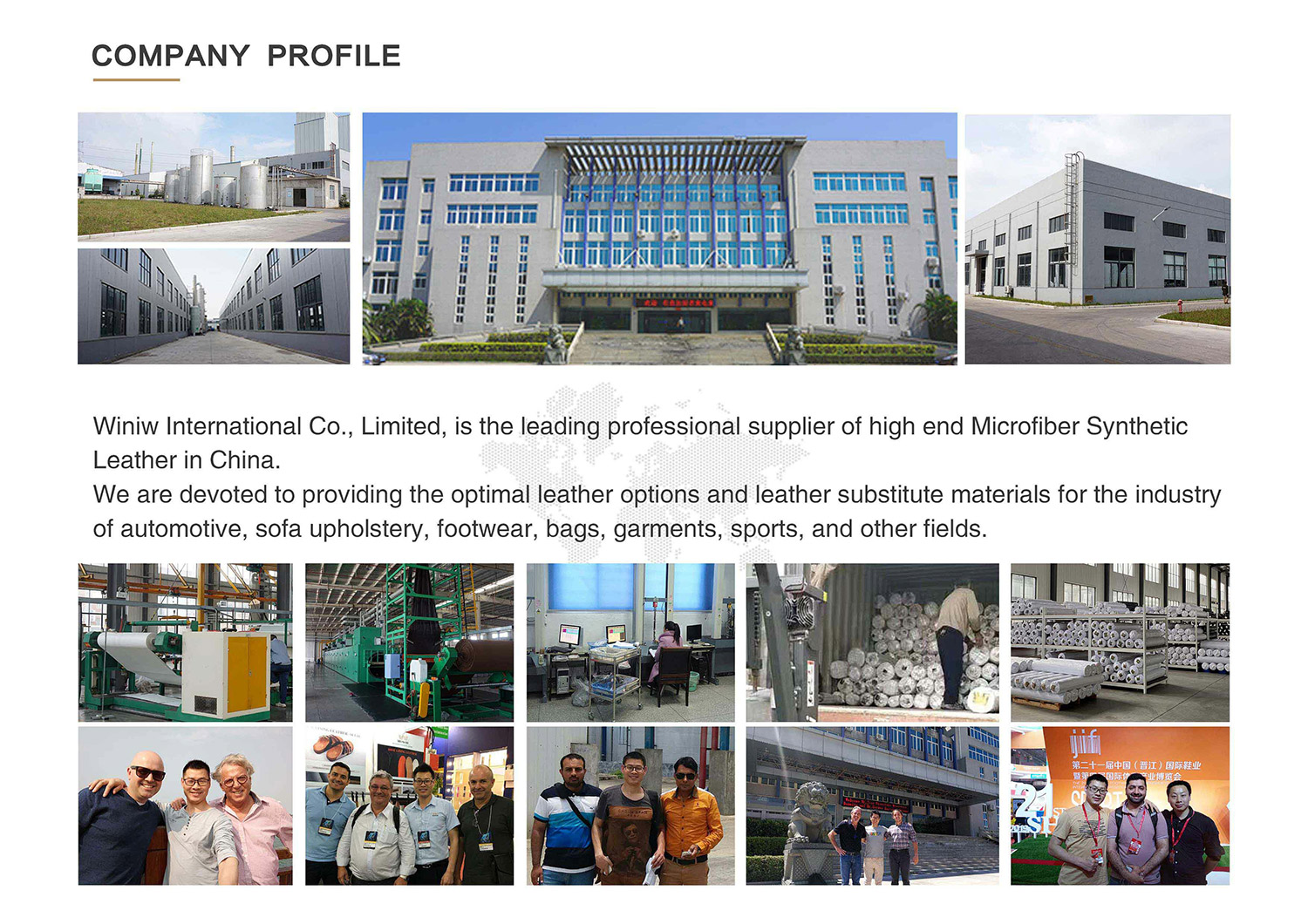
Winiw International Co.,Ltd


المسح الضوئي إلى wechat:




 هاتف : +86 18150976625
 البريد الإلكتروني : Market@MicrofiberLeather.com