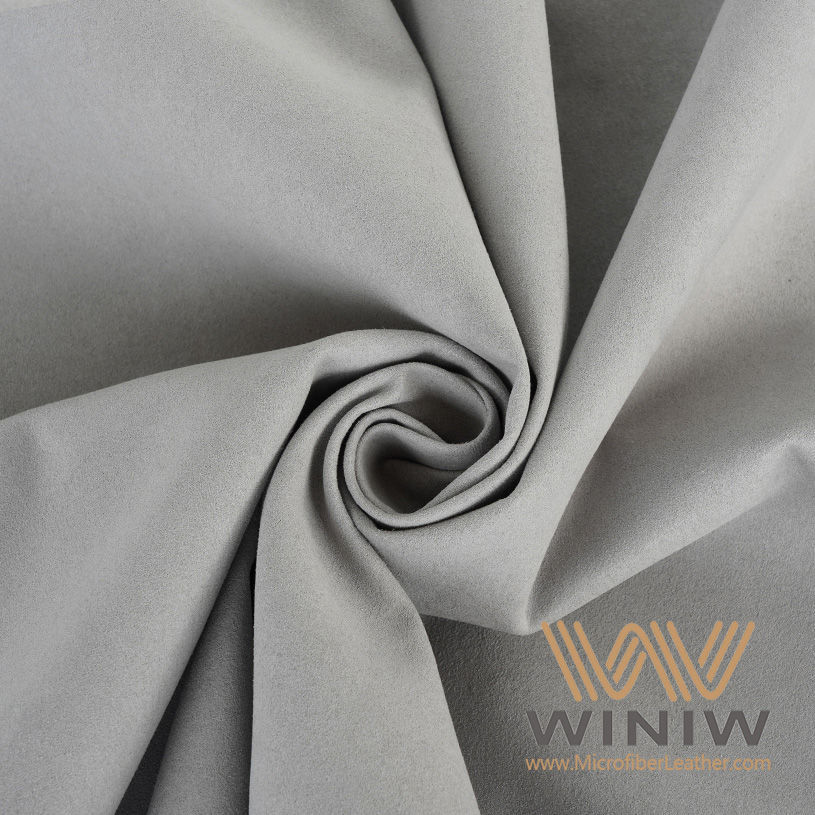
عند اختيار الجلد المناسب للأحذية، من المهم اتخاذ القرار الصحيح. يبدأ العديد من المبتدئين بمواد باهظة الثمن، مما يؤدي إلى إهدارها أثناء التدريب. جرب أولاً قصاصات الجلد ذات الأسعار المعقولة. يؤدي الطلب العالمي المتزايد على الأحذية الفاخرة إلى ارتفاع الأسعار، خاصةً للجلود الطبيعية والنادرة. ضع في اعتبارك الآثار البيئية، مثل استخدام المواد الكيميائية في الدباغة والمصادر المستدامة. يساعدك هذا الدليل في اختيار نوع جلد الأحذية المناسب لاحتياجاتك.
ابدأ بقطع الجلد الرخيصة لتتمرن على صناعة الأحذية دون إهدار المواد باهظة الثمن.
اختر نوع الجلد المناسب يعتمد على أجزاء الحذاء: جلد متين للنعل الخارجي، وجلد يسمح بالتهوية للبطانة، وجلد جمالي للجزء العلوي.
افحص جودة الجلد بعناية من خلال التحقق من وجود عيوب واستخدام اختبار قطرة الماء للتأكد من اختيارك للجلد الأصلي.
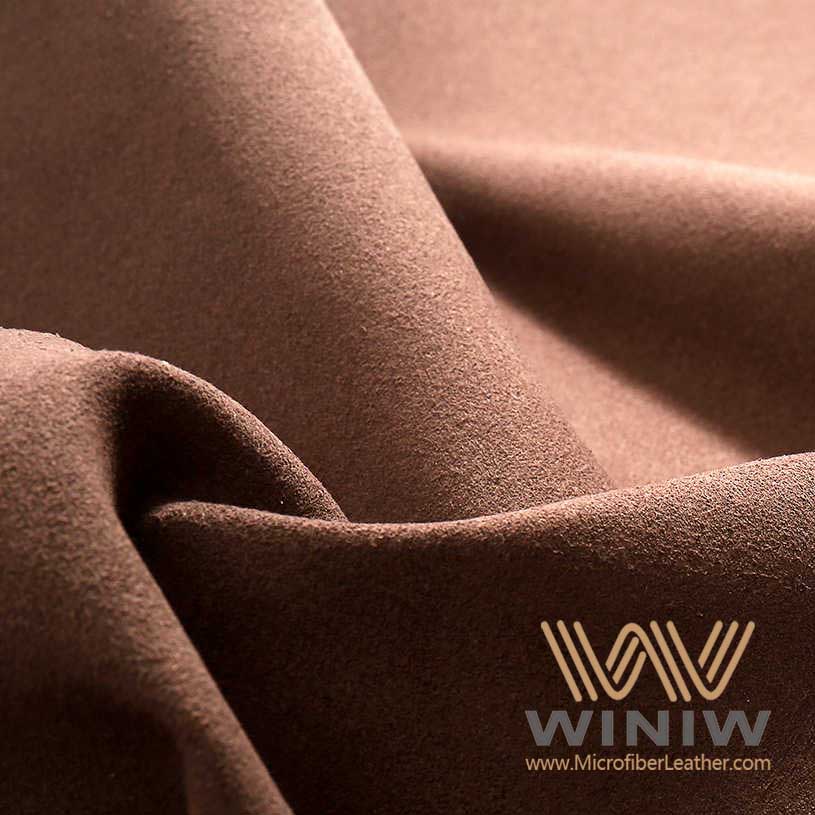
عند اختيار الجلد لصناعة الأحذية، من الضروري معرفة الأنواع الرئيسية المتوفرة وخصائصها الفريدة. يقدم كل نوع من أنواع الجلد مزايا مختلفة لصناعة الأحذية. يوضح الجدول أدناه بعضًا من الخيارات الأكثر توصية:
|
نوع الجلد |
صفات |
|---|---|
|
جلد العجل |
جودة عالية، نسيج متماسك، متين، مرن، يتكيف جيدًا مع القدمين، عرضة للخدش ولكنه يكتسب طبقة من الصدأ. |
|
مدبوغ نباتياً |
عضوي، صلب، ألوان محدودة، يصبح لونه داكناً مع مرور الوقت، يتطلب معالجات متعددة، غير مقاوم للماء. |
|
طلاء لامع للغاية، ملابس رسمية، أسود في الغالب، تم استبداله بالبلاستيك للاستخدام غير الرسمي. |
|
|
جلد الجاموس |
متين، مسامي، محبب، قوة شد أكبر بنسبة 40% من جلد العجل، مريح وناعم. |
|
ينبغي تجنب المنتجات الاصطناعية منخفضة الجودة والنباتية، والتي لا تُعد جلدًا حقيقيًا، إلا عند الضرورة. |
ستجد أيضًا جلود حيوانات أخرى تُستخدم في صناعة الأحذية. يتميز جلد الجاموس بمتانته، مما يجعله خيارًا جيدًا للأحذية التي تتطلب استخدامًا شاقًا. أما جلد الماعز فهو مرن ومتين، ويُستخدم غالبًا في الأحذية ذات الأسعار المعقولة. يتميز جلد كوردوفان بمتانته العالية ويُستخدم في الأحذية الفاخرة. جلد الغزال وجلد الأيل قويان وناعمان وخفيفان الوزن، ومناسبان للأحذية الراقية. يُعد جلد الخروف خيارًا آخر ناعمًا وفاخرًا، وغالبًا ما يُختار للبطانات أو أحذية الموضة.
يجب الانتباه إلى صلابة الجلد، وملمسه، وجودة تشطيبه عند صناعة الأحذية. فهذه الصفات تؤثر على أداء الجلد وملمسه.
الثبات يشير هذا إلى مدى صلابة أو ليونة الجلد. فالجلد الصلب يحافظ على شكله ويناسب الأحذية ذات التصميم الهيكلي. أما الجلد الأكثر ليونة فينثني بسهولة ويناسب التصاميم غير الرسمية أو التي تركز على الراحة.
حِدّة تُشير خاصية المرونة إلى مدى مرونة الجلد وقدرته على الحفاظ على شكله. يمكنك الاختيار من بين عدة أنواع:
ناعم: يتميز بمرونة عالية، وهو الأنسب للملابس أو التنجيد.
شبه ناعم: مرن، شائع في الأحذية الرياضية أو حقائب اليد.
شبه صلب: يحافظ على شكله، مثالي للأحذية أو حقائب الدراجات النارية.
صلب: متين، يستخدم للأشياء الثقيلة مثل الأحزمة والأشرطة.
نصيحة: اختر درجة صلابة النعل بناءً على تصميم الحذاء الذي تريده. بالنسبة للأحذية الرسمية، تمنح درجة الصلابة المتوسطة أو الصلبة مظهرًا أنيقًا. أما بالنسبة للأحذية الرياضية، فتُوفر درجة الصلابة المتوسطة الراحة.
ينهي تؤثر اللمسة النهائية على كلٍ من المظهر والصيانة. على سبيل المثال، يحتاج الجلد المدبوغ نباتيًا إلى عناية خاصة للحفاظ على مرونته ولونه. أما الجلد المدبوغ بالشمع، فيسهل الحفاظ عليه باستخدام البلسم وشمع العسل. ويتطلب جلد الشامواه والجلد المدبوغ تنظيفًا لطيفًا وبخاخات واقية. يمنح جلد العجل لمعانًا عاليًا ولكنه يحتاج إلى تلميع متكرر. أما الجلد اللامع، فهو لامع ولكنه عرضة للخدوش.
للحصول على أفضل النتائج، يجب اختيار الجلد المناسب لكل جزء من أجزاء الحذاء. لكل جزء من أجزاء الحذاء متطلبات محددة.
|
جزء من الحذاء |
نوع الجلد |
الخصائص المطلوبة |
|---|---|---|
|
النعل الخارجي |
جلد النعل |
متانة مناسبة للتلامس مع الأرض |
|
نعل |
جلد النعل الداخلي |
راحة لراحة القدمين |
|
بطانة |
جلد البطانة |
التهوية والراحة |
|
الجزء العلوي |
جلد علوي |
المظهر الجمالي والتحكم في السماكة |
بالنسبة للجزء العلوي، يُعد الجلد ذو الحبيبات العلوية خيارًا جيدًا للأحذية الرسمية والأحذية الكاجوال لأنه يبدو أنيقًا ويسهل الحفاظ عليه. جلد النوبوك يتميز الجلد المدبوغ بملمسه الناعم وتهويته الجيدة، مما يجعله خيارًا مثاليًا للأحذية الخارجية. أما الجلد المدبوغ فهو أكثر نعومة ومرونة، مما يجعله مثاليًا للأحذية الأنيقة والمريحة. ويُستخدم جلد الخروف غالبًا في صناعة البطانات نظرًا لنعومته وراحته.
يجب أن يتحمل جلد الأحذية الانحناء والتعرض للعوامل البيئية. ستجد أنواعًا مختلفة من الجلود: الصلبة، وشبه الصلبة، والناعمة، وكل نوع منها مناسب لأنواع مختلفة من الأحذية. تحتاج النعال الخارجية إلى جلد متين يقاوم الانثناء. تتطلب البطانات مواد ناعمة تسمح بمرور الهواء لتوفير الراحة. أما الجزء العلوي من الحذاء فيحتاج إلى جلد يوازن بين المظهر الجميل والسماكة والمتانة.
تُعدّ التهوية عاملاً أساسياً آخر. يسمح الجزء العلوي المصنوع من الجلد بتدفق الهواء، مما يساعد على تنظيم درجة الحرارة والرطوبة. تحافظ هذه الميزة على راحة قدميك أثناء ارتدائها لفترات طويلة وتمنع تراكم الرطوبة الذي قد يُسبب عدم الراحة أو نمو الفطريات. مع مرور الوقت، يتكيف الجلد مع شكل قدمك، مما يمنحك مقاساً مثالياً.
عند اختيار الجلد، ضع في اعتبارك عملية الدباغة. الجلد المدبوغ نباتياً عضوي وصلب، وهو الأنسب للأحذية التقليدية أو الفاخرة. أما الجلد المدبوغ بالكروم فهو أكثر مرونة ومقاومة للماء، مما يجعله مناسباً للأحذية اليومية والأحذية الطويلة. كما يوفر الجلد المدبوغ بالكروم تشكيلة أوسع من الألوان والتشطيبات، بينما يكتسب الجلد المدبوغ نباتياً طبقةً مميزةً مع مرور الوقت.
من خلال فهم هذه الصفات ومطابقتها مع مشروع الأحذية الخاص بك، يمكنك اختيار أفضل أنواع الجلود للأحذية، سواء كنت تصنع أحذية رسمية أو أحذية طويلة أو أحذية غير رسمية.
عند تقييم قماش جلد الأحذية، من الضروري فهم سمكه ووزنه. تساعدك هذه القياسات على اختيار الخامة المناسبة لكل جزء من أجزاء الحذاء. يوضح الجدول أدناه الوحدات الشائعة:
|
وحدة القياس |
وصف |
|---|---|
|
أونصة |
الأونصة الواحدة تعادل 1/64 بوصة من السماكة، وهو ما يُستخدم في الولايات المتحدة. |
|
مليمترات |
وحدة مترية لقياس السماكة بدقة |
|
مكاوي |
المكواة الواحدة تساوي 1/48 بوصة، وهي أداة يستخدمها صانعو الأحذية التقليديون. |
يجب أن يتناسب سمك الجلد مع سمك الجزء العلوي من الحذاء. على سبيل المثال، يحتاج الجلد العلوي إلى سمك متوسط للدعم، بينما تتطلب بطانة جلد الغنم جلدًا أرق وأكثر نعومة. كما أن مرونة الجلد مهمة أيضًا. فإذا تمدد جلد الحذاء أكثر من اللازم، فقد لا ينثني الجزء العلوي بشكل صحيح، مما يتسبب في ظهور تجاعيد ويقلل من متانته. لذا، احرص دائمًا على فحص الحذاء بحثًا عن أي عيوب قد تؤثر على المقاس والراحة.
غالباً ما يكون الخيار بين الجلد المدبوغ بالكروم والجلد المدبوغ نباتياً لصناعة الأحذية. يوضح الجدول أدناه مقارنة بين خصائص كل منهما:
|
نوع الجلد |
متانة |
مظهر |
|---|---|---|
|
جلد مدبوغ بالكروم |
مقاومة ممتازة للماء والتآكل |
ناعم، ألوان متعددة، لون ثابت |
|
جلد مدبوغ نباتياً |
أشكال متينة وصديقة للبيئة وذات مظهر عتيق |
أكثر صلابة في البداية، ثم يصبح أكثر ليونة، ويكتسب طبقة فريدة من نوعها. |
يُفضّل استخدام الجلد المدبوغ نباتياً في صناعة الأحذية الفاخرة لكونه صديقاً للبيئة، ومضاداً للحساسية، ويكتسب مع مرور الوقت لمعةً مميزة. أما الجلد المدبوغ بالكروم، فيحظى بشعبية واسعة لراحته وتنوع ألوانه.
متى شراء أحذية من الجلد أو القماش احرص دائمًا على فحص الجودة. ابحث عن الجلد الطبيعي الكامل أو من الدرجة الأولى للجزء العلوي. توفر هذه الأنواع المتانة ومقاومة الرطوبة. تحقق من وجود أي عيوب مثل الندوب أو الثقوب أو تغير اللون. استخدم يديك لتحسس الملمس والتأكد من نعومته. جرب اختبار قطرة الماء - فالجلد الطبيعي يمتص الرطوبة. يمكنك العثور على جلد عالي الجودة من الحرفيين المحليين، أو الأسواق الإلكترونية، أو العلامات التجارية المعروفة. تتفاوت الأسعار بشكل كبير، حسب النوع والحرفية والمنشأ. إذا كنت ترغب في صنع الأحذية بنفسك، فابدأ بقطع صغيرة لتتمرن على تقييم الجودة.
لاختيار الجلد المناسب للأحذية، يجب عليك:
اختر نوع الجلد المناسب لاحتياجات الحذاء من خلال مراعاة المتانة والملمس ومقاومة الماء.
اختر طرق التنظيف بناءً على خصائص الجلد للحفاظ على الجودة.
استكشف أدلة مثل "مواد الأحذية: الدليل الشامل 2026" للحصول على معرفة أعمق.
ابدأ بمشاريع صغيرة لتطوير مهاراتك وضمان جودة الأحذية.
يُنصح باختيار جلد العجل أو الجلد الطبيعي عالي الجودة للجزء العلوي من الحذاء. فهذه الأنواع توفر المتانة والراحة والمظهر الأنيق للأحذية.
توفر لك مجموعة أدوات صناعة الأحذية للمبتدئين الأدوات والمواد الأساسية. يمكنك التدرب على صناعة الأحذية، والتعرف على الجزء العلوي منها، وبناء الثقة قبل استخدام الجلد الفاخر.
يُشكّل الجزء العلوي من الحذاء شكله ويؤثر على المقاس والأناقة والتهوية. يجب عليك اختيار الجلد المناسب للجزء العلوي لضمان الجودة والراحة في صناعة الأحذية.
نصيحة: افحص الجزء العلوي من الحذاء دائمًا بحثًا عن أي عيوب قبل البدء في صناعته. هذه الخطوة تساعدك على تجنب مشاكل الأحذية لاحقًا.
Winiw International Co.,Ltd


المسح الضوئي إلى wechat:




 هاتف : +86 18150976625
 البريد الإلكتروني : Market@MicrofiberLeather.com